
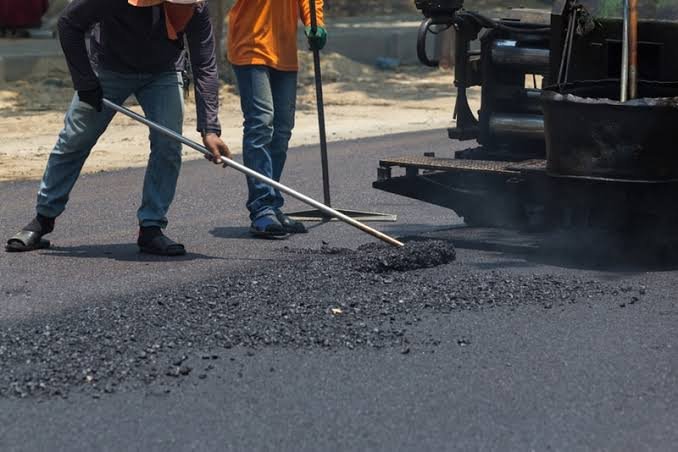
Asphalt surfaces are a popular choice for driveways, parking lots, roads, and commercial properties because they are durable, cost-effective, and visually appealing. However, like any outdoor surface, asphalt requires regular maintenance to remain strong and functional. Without proper care, exposure to sunlight, rain, temperature changes, chemicals, and daily traffic can cause cracks, fading, potholes, and structural damage.
Two of the most important services for protecting asphalt surfaces are paving and sealcoating. While paving focuses on installing or repairing asphalt surfaces, sealcoating provides a protective layer that helps extend pavement life. Understanding how these maintenance methods work and when they are needed can help property owners protect their investment and avoid expensive repairs.
What Is Asphalt Paving?
Asphalt paving is the process of creating a new asphalt surface or restoring an existing one that has suffered significant damage. It involves preparing the area, installing a strong base layer, applying asphalt material, and compacting the surface to create a smooth and durable finish.
Paving is commonly used for new driveways, parking lots, commercial areas, and road construction projects. It can also be used when an existing asphalt surface has reached the end of its useful life and requires complete replacement.
A professional paving process typically begins with site preparation. The damaged or unstable surface is removed, and the foundation is inspected to ensure it can support the new pavement. A properly prepared base is essential because it provides stability and helps prevent future issues such as sinking or cracking.
After the base is installed, layers of asphalt are applied and compacted using specialized equipment. This creates a strong surface that can handle regular vehicle traffic and changing weather conditions.
Why Asphalt Maintenance Is Important
Regular asphalt maintenance is essential for preventing minor issues from becoming major problems. Small cracks and surface damage can allow water to penetrate beneath the pavement. Over time, moisture can weaken the foundation and lead to potholes, uneven surfaces, and costly repairs.
Routine maintenance improves both the appearance and performance of asphalt. A well-maintained driveway or parking lot creates a positive impression while providing a safer surface for vehicles and pedestrians.
Maintenance also helps maximize the lifespan of asphalt. Instead of replacing pavement prematurely, property owners can use preventive services to protect the surface and reduce long-term costs.
What Is Asphalt Sealcoating?
Sealcoating is a protective treatment applied over an asphalt surface to shield it from damaging elements. The sealcoat creates a barrier that protects against UV rays, water, oil spills, chemicals, and everyday wear.
Over time, asphalt naturally loses its oils due to weather exposure, causing the surface to become dry and brittle. Sealcoating helps restore a darker appearance while reducing the risk of cracks and deterioration.
Sealcoating should be applied after new asphalt has properly cured. For existing pavement, it is typically recommended as part of a regular maintenance schedule. Companies such as Executive Asphalt Paving & Sealcoating provide professional solutions designed to help preserve asphalt surfaces and improve their durability.
Benefits of Asphalt Sealcoating
Sealcoating offers several advantages for residential and commercial properties, including:
- Protection from weather damage and oxidation
- Improved resistance to water and chemical damage
- Enhanced curb appeal with a fresh, dark finish
- Reduced chances of cracks and surface deterioration
- Extended pavement lifespan
By adding a protective layer, sealcoating helps asphalt withstand daily stress and environmental conditions more effectively.
Paving vs Sealcoating: Understanding the Difference
Although paving and sealcoating are both important asphalt services, they serve different purposes. Paving involves creating, replacing, or repairing the asphalt surface itself. It addresses structural problems and provides a new foundation for use.
Sealcoating, on the other hand, is a preventive maintenance service. It does not repair major damage but protects existing asphalt from future wear and deterioration.
In simple terms, paving restores the surface, while sealcoating preserves it. Both services work together to keep asphalt strong, attractive, and long-lasting.
When Should You Schedule Asphalt Maintenance?
The right maintenance schedule depends on factors such as climate, traffic levels, and the condition of the pavement. Regular inspections can help identify early warning signs, including cracks, fading, drainage problems, and uneven areas.
New asphalt should be maintained carefully to protect the investment. Older pavement may require repairs before sealcoating can be applied. Addressing problems early can prevent more extensive damage and reduce repair expenses.
Final Thoughts
Asphalt maintenance is a crucial part of protecting driveways, parking lots, and other paved surfaces. Paving provides the strength and structure needed for a reliable surface, while sealcoating adds protection against environmental damage and everyday use.
By combining proper installation with routine maintenance, property owners can extend the life of their asphalt and maintain a clean, professional appearance. Investing in regular paving care and sealcoating not only improves pavement performance but also helps prevent costly repairs in the future.
