
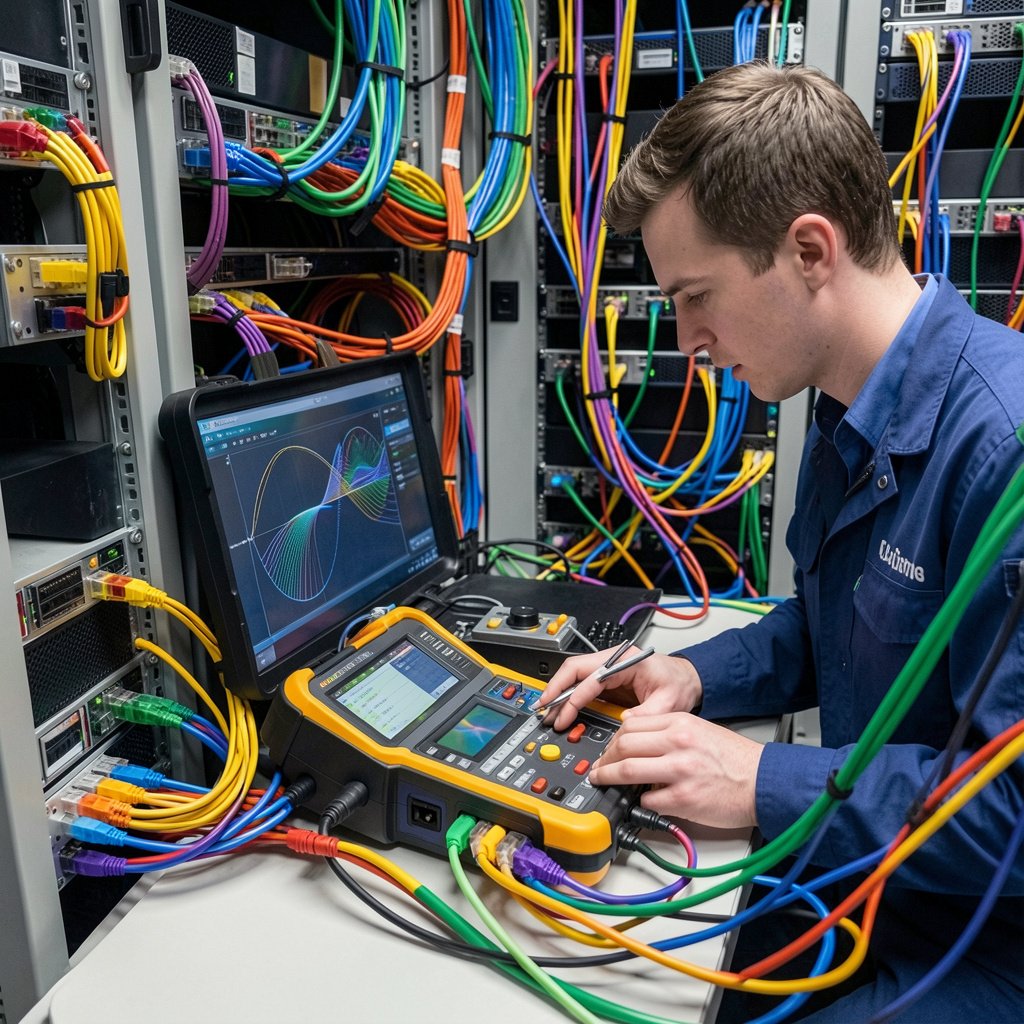
In modern telecommunications, the reliability and efficiency of network systems are paramount. The role of Network Tester devices is critical in maintaining these standards and ensuring seamless communication. These devices are used extensively in both developing and maintaining network infrastructures.
What is a Network Tester?
A network tester is a device or tool used to measure the strength, quality, and speed of various types of network signals. These devices are invaluable for network professionals as they allow precise diagnostics and troubleshooting of network issues.
Key Functions of Network Testers
Network testers are essential tools in the detection of faults, ensuring peak performance, and aiding in the installation of network systems. They offer functionalities such as checking signal strength, testing connectivity, and diagnosing network problems accurately.
Signal Strength Testing
One of the primary functions of a network tester is to assess signal strength. This includes measuring the electrical power level of a signal as it travels through a network system.
Connectivity Testing
Network testers are utilised to determine the availability and robustness of network connections. With connectivity tests, professionals can ensure that the network will perform well under varying conditions.
Diagnosing Network Issues
These devices help in pinpointing the cause of network slowdowns or failures. Network testers can identify problems like faults in cabling, connectivity issues, or device configuration errors.
Importance in Network Maintenance
Regular network testing is vital for the maintenance of network infrastructure. It helps in early detection of possible issues before they cause significant outages or affect service quality.
Preventative Maintenance
By consistently using network testers, organisations can adopt a preventative maintenance approach. This helps in extending the lifespan of network equipment and reducing downtime.
Optimising Network Performance
Network testers play a crucial role in optimising performance by identifying areas of the network that require upgrades or adjustments to handle higher data loads.
Choosing the Right Network Tester
The selection of an appropriate network tester depends on specific needs, such as the type of network and the common issues experienced within that network.
Types of Network Testers
Various types exist, ranging from basic tools for small scale networks to advanced devices for large telecommunications infrastructures. Each type offers different features suited for precise testing requirements.
Considering Network Environment
It is important to consider the network environment when choosing a tester. Factors like wireless or wired networks, network speed, and types of devices connected all influence this decision.
Budget and Technical Expertise
Budget constraints and the level of technical expertise available within a team can also guide the choice of network tester. Investing in a device that aligns with the team’s skill set ensures efficient operation and use.
Conclusion
Network testers are indispensable in today’s fast-paced communication landscape. With their ability to diagnose, maintain, and optimise networks, they form a critical part of any network management strategy. Investing in a high-quality Network Tester can enhance overall communication effectiveness, ensuring that network systems operate smoothly and efficiently.
