
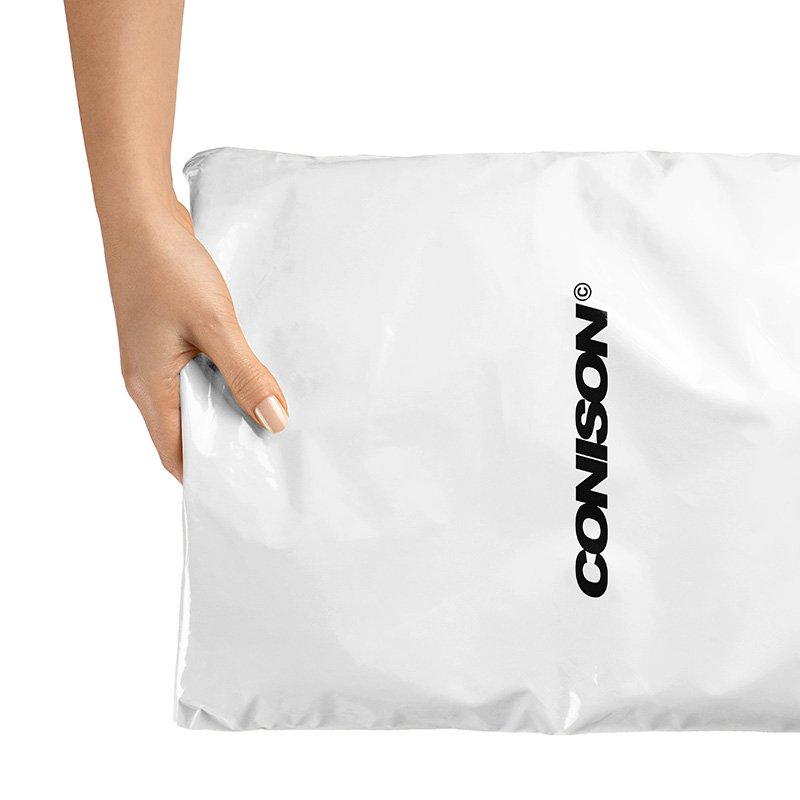
In the contemporary market, where environmental concerns are paramount, businesses are increasingly adopting sustainable practices. One significant shift has been towards the use of compostable mailers as an alternative to traditional plastic packaging. This article explores why compostable mailers represent the future of eco-friendly packaging.
Understanding Compostable Mailers
Compostable mailers are packaging materials designed to break down into natural elements when composted, leaving no toxic residue. Unlike conventional plastic mailers, which persist in the environment for hundreds of years, compostable mailers decompose within a few months under suitable composting conditions.
These mailers are typically made from bio-based materials such as cornstarch, cellulose, or polylactic acid (PLA), all of which are renewable resources. The production of compostable mailers generally requires less energy and emits fewer greenhouse gases compared to petroleum-based plastics.
The Environmental Advantage of Compostable Mailers
Traditional plastic packaging has long been recognised as a significant contributor to environmental degradation. Plastic waste accumulates in landfills and oceans, causing harm to wildlife and ecosystems.
Switching to compostable mailers helps reduce plastic pollution. When disposed of properly in industrial composting facilities or home compost bins, they break down into nutrient-rich compost, which can improve soil quality and support plant growth.
Reduction of Carbon Footprint
Compostable mailers contribute to lowering the overall carbon footprint associated with packaging. Their production uses renewable feedstocks, which generally results in reduced carbon emissions compared to fossil fuel-derived plastics. Moreover, the end-of-life scenario for compostable mailers is more environmentally friendly, as it avoids the methane emissions typically generated by plastic waste in landfills.
Benefits for Businesses
From a commercial perspective, adopting compostable mailers aligns with corporate social responsibility goals and appeals to environmentally conscious consumers. Using sustainable packaging can enhance brand reputation and differentiate businesses in a competitive market.
Furthermore, compostable mailers can sometimes result in cost savings. Although their initial cost may be slightly higher than traditional mailers, businesses may benefit from lower waste disposal fees and potential incentives for sustainable practices.
Compliance with Environmental Regulations
Increasingly, governments worldwide are implementing regulations to reduce plastic waste and promote sustainable materials. The utilisation of compostable mailers ensures compliance with such policies, avoiding potential penalties and aligning businesses with future environmental requirements.
Consumer Demand and Market Trends
Consumer preferences have notably shifted, with a growing number of buyers prioritising sustainability. Surveys indicate that many customers prefer products packaged with eco-friendly materials and are willing to pay a premium for such products.
The packaging industry has responded by innovating and expanding the range of compostable mailer options available. This trend reflects a broader commitment to environmental stewardship and a recognition of the need to reduce the impact of packaging waste.
Challenges and Considerations
Despite their advantages, compostable mailers present certain challenges. Their effective composting requires appropriate facilities, which may not be universally accessible. Consumers and businesses must therefore be educated on correct disposal methods to ensure that compostable mailers fulfil their ecological potential.
Additionally, quality and durability have traditionally been concerns with biodegradable packaging. However, advancements in material science have significantly enhanced the performance characteristics of compostable mailers, ensuring they meet shipping and protection requirements.
Future Outlook and Innovations
The future of compostable mailers is closely tied to ongoing innovation in sustainable materials. Research is focusing on improving composting efficiency, expanding industrial composting infrastructure, and developing mailers that decompose under a wider range of environmental conditions.
Integration of smart packaging technologies, such as embedded QR codes or sensors on compostable mailers, is also anticipated. These technologies can inform consumers about disposal methods and verify the environmental credentials of packaging products.
Role in Circular Economy
Compostable mailers support the principles of the circular economy by ensuring that packaging materials cycle back into the environment in a beneficial manner. This contrasts with the linear model of consumption and waste, which dominates traditional plastic packaging.
By converting packaging waste into compost, businesses contribute to resource regeneration, reduce dependency on finite resources, and foster sustainable community practices.
Conclusion
In conclusion, compostable mailers are a pivotal element in the evolution toward sustainable packaging solutions. Their environmental benefits, alignment with consumer demand, regulatory compliance, and advancement potential make them indispensable for businesses committed to sustainability.
As the global focus on reducing plastic waste intensifies, compostable mailers provide a viable, effective, and responsible alternative. Embracing these products is not only beneficial for the environment but also strategically advantageous for companies aiming to lead in eco-friendly practices.
