
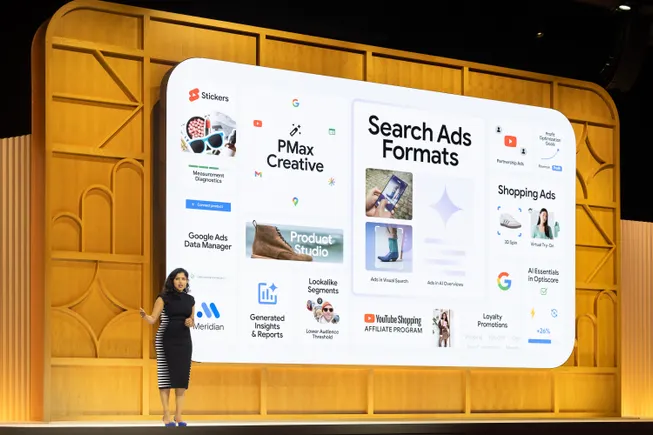
AI innovations have created both opportunities and challenges for companies. If you run an e-commerce business, you already need to compete with plenty of shopping sites for conversions. Now, the use of AI in the Shopping Ads landscape requires you to adapt and change your approach. You need to understand how to place your products in AI Overviews and optimize your campaigns effectively. Whether you are running a Shopping or Performance Max ad campaign, it’s crucial to prepare and then act. Old practices may no longer deliver on your expectations. Here are some useful insights regarding this.
- Shopping ads in AI Overviews
You must have seen those AI-generated summaries appearing at the top of search queries. These are AI Overviews that now also include Shopping ads. The AI content features product listings targeting queries with higher transactional intent. If someone searches for eco-friendly backyard furniture, AI Overviews can list brands that operate in this space. It’s a new experience for everyone, particularly for shopping sites. Of course, there are valid concerns and opportunities. If you hire a Google Shopping Ads agency, you don’t have to get into the details. They can manage everything on their end. With AI-enhanced SERPs, staying on top in both organic and paid search is no longer easy. Today, you need to know your campaign’s impression quality, click-through rates, and conversions even more than before.
- Strategic choices for PPC advertisers
The latest changes in Google’s Shopping Ads have created several AI touchpoints for campaigns to cover in terms of placement, creativity, and setup, without requiring a departure from the fundamental PPC principles that have driven success. Niche ecommerce ad agencies know these well. They can test Shopping performance to analyze impression quality and CTR. Checking AI-created creative in Merchant Center can also be helpful, particularly if there are fewer visual assets for specific products. They can explore advanced methods with greater control and scale their efforts in the right direction for better outcomes. You can trust them to use your budget effectively across different audiences and to experiment with cross-channel campaigns. These professionals can also be trusted to examine data to report changes and indicate conversions.
- Crucial insights
It is important to decode the actual requirements. This new Shopping ads arrangement may make you worried about the declining click rates. While click rates have declined, you must understand what has led to this. The AI-powered answers help users move from research to buying decisions faster by providing seamless access to relevant ads. If you see it as an opportunity, you can work on ways to connect with them. You don’t require too many clicks either. That means it doesn’t make sense to optimize your product pages for organic search traffic as before.
All this may sound simple or complicated, depending on one’s experience or expertise. For agencies, it is a matter of their skills, knowledge, and experience. They need to evolve with time to meet their clients’ expectations and solve bottlenecks. Today, you cannot take a theoretical approach to this AI-first advertising. You need to use real tools and efficiencies to benefit from strategic oversight and available data. Again, it is essential to remember that the core PPC principles have not changed, even in this new AI-driven Shopping ecosystem. Only a few more layers have been added to the search results. UtdPlug
