
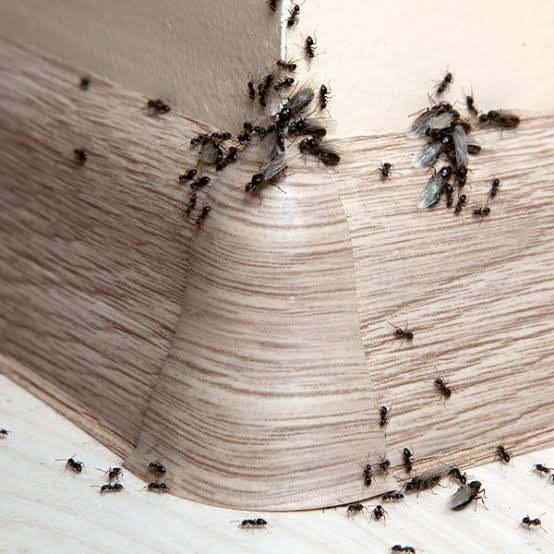
Ant infestations can quickly turn from a minor inconvenience into a persistent household problem. These tiny insects often enter homes in search of food, water, and shelter, creating trails that can spread throughout kitchens, bathrooms, and other living spaces. While over-the-counter sprays and traps may reduce visible ants temporarily, they rarely address the root of the infestation. Long-lasting results require a strategic approach that targets the entire colony rather than just the ants you see.
Why Ant Infestations Keep Coming Back
One of the biggest challenges with ants is that eliminating the workers does not eliminate the colony. Worker ants continuously travel between their nest and food sources, leaving behind pheromone trails that guide other ants to the same locations. Even if these workers are removed, the queen remains protected within the nest and continues producing new ants.
Many colonies are located in hidden areas such as wall voids, beneath foundations, under landscaping materials, or inside decaying wood. Because these nests are often difficult to locate without experience, homeowners may unknowingly treat only the symptoms of the problem instead of its source.
Different ant species also require different treatment methods. Carpenter ants, pavement ants, odorous house ants, and fire ants each have unique nesting habits and behaviors. Identifying the species is an essential first step in selecting the most effective solution.
The Professional Inspection Process
Successful ant control begins with a detailed inspection of the property. Professionals examine both interior and exterior areas to identify signs of activity, nesting locations, moisture issues, and potential entry points.
During the inspection, they look for ant trails, food sources, damaged wood, cracks around windows and doors, plumbing penetrations, and landscaping features that may encourage nesting. This comprehensive assessment helps determine the size of the infestation and the best treatment strategy.
Understanding how ants are entering the property also allows professionals to recommend long-term exclusion methods that reduce the chances of future infestations.
Targeting the Entire Colony
A professional ant exterminator focuses on eliminating the colony rather than simply killing visible ants. This is typically achieved through carefully selected baiting systems that worker ants carry back to the nest. Once shared among the colony, the treatment reaches the queen and developing ants, disrupting the colony’s ability to survive.
Depending on the species and severity of the infestation, additional treatment methods may include perimeter applications, crack-and-crevice treatments, or direct nest treatments in outdoor areas. These methods are applied strategically to maximize effectiveness while minimizing unnecessary pesticide use.
Unlike temporary sprays that often scatter ants into multiple colonies, professional treatments are designed to eliminate the infestation at its source, providing more reliable and lasting results.
Preventing Future Ant Problems
Eliminating an existing colony is only part of the solution. Preventive measures play a crucial role in keeping ants from returning.
Homeowners can reduce the risk of infestations by storing food in sealed containers, cleaning up crumbs and spills promptly, and avoiding standing water around sinks or appliances. Pet food should not be left out for extended periods, and trash bins should remain tightly sealed.
Sealing cracks around doors, windows, foundations, and utility openings helps prevent ants from entering the home. Regular maintenance, including repairing leaks and reducing moisture around the property, also makes the environment less attractive to ants.
Outdoor maintenance is equally important. Keeping shrubs and tree branches trimmed away from the home, removing debris, and avoiding excessive mulch against the foundation can discourage ants from nesting close to the structure.
The Value of Ongoing Monitoring
Even after successful treatment, routine inspections can help identify new activity before it develops into a major infestation. Seasonal changes, weather conditions, and nearby construction can all influence ant populations and encourage new colonies to move into residential areas.
Professional monitoring allows any new issues to be addressed early, reducing the likelihood of widespread infestations and minimizing the need for extensive treatments in the future.
Conclusion
Ant infestations require more than a quick spray to achieve lasting control. Because colonies often remain hidden and continue producing new workers, successful treatment depends on identifying the species, locating the nest, and eliminating the entire colony. Combined with preventive maintenance and regular inspections, professional pest management provides a comprehensive solution that helps keep homes protected year-round. By addressing both the immediate infestation and the underlying causes, homeowners can enjoy a cleaner, healthier, and ant-free living environment for the long term.
