

Breast pump technology gives parents more control, comfort, and flexibility than ever. Modern pumps help you balance feeding with work, sleep, and family time without sacrificing milk supply. From manual backups to smart wearable pumps, the right setup supports your feeding goals and lifestyle. Parents can now track sessions, adjust suction with an app, and even warm the pump for smoother milk flow. This guide explains pump types, key features, and the latest tech, so you can choose solutions that fit your routine, your body, and your baby’s needs.
Types of Breast Pumps for Modern Parenting
Manual, Electric, and Wearable Breast Pumps Explained
Manual breast pumps use hand power. They cost less, work quietly, and suit occasional pumping or travel. Single or double-electric pumps use a motor for stronger, steadier suction. They fit parents who pump several times a day and need efficiency. Wearable breast pumps sit inside your bra and run on batteries. They collect milk while you move, work, or hold your baby. Some wearables, like app-connected models, offer multiple modes and settings. Many families mix types: a wearable for work, an electric for home, and a manual as backup.
Matching Pump Types to Daily Parenting Routines
Busy workdays often suit wearable pumps that fit under clothes and move with you between meetings. Parents who work from home may prefer a double electric pump for fast, efficient sessions during breaks. Those who nurse most of the time directly may choose a simple manual pump for the occasional bottle or relief from engorgement. Night pumping favors quiet, low‑light options that do not disturb sleep. Think about where you spend time, how often you plan to pump, and how much you want to multitask while choosing your main breast pump.
Key Features That Define Modern Breast Pump Solutions
Suction Strength, Comfort, and Custom Settings
Suction strength affects milk output and comfort. Strong motors help empty the breast faster, but they must feel gentle, not harsh. Look for pumps with multiple suction levels and separate modes for stimulation and expression. Soft, well‑fitting flanges reduce friction and help prevent pain. Many modern pumps let you save custom settings for speed and suction, so you can repeat the pattern that works best. With the eufy S1 Pro, you can use the eufy App to fine‑tune suction strength and speed using OptiRhythm and create a personalized pumping rhythm.
Hands-Free Design, Portability, and Quiet Operation
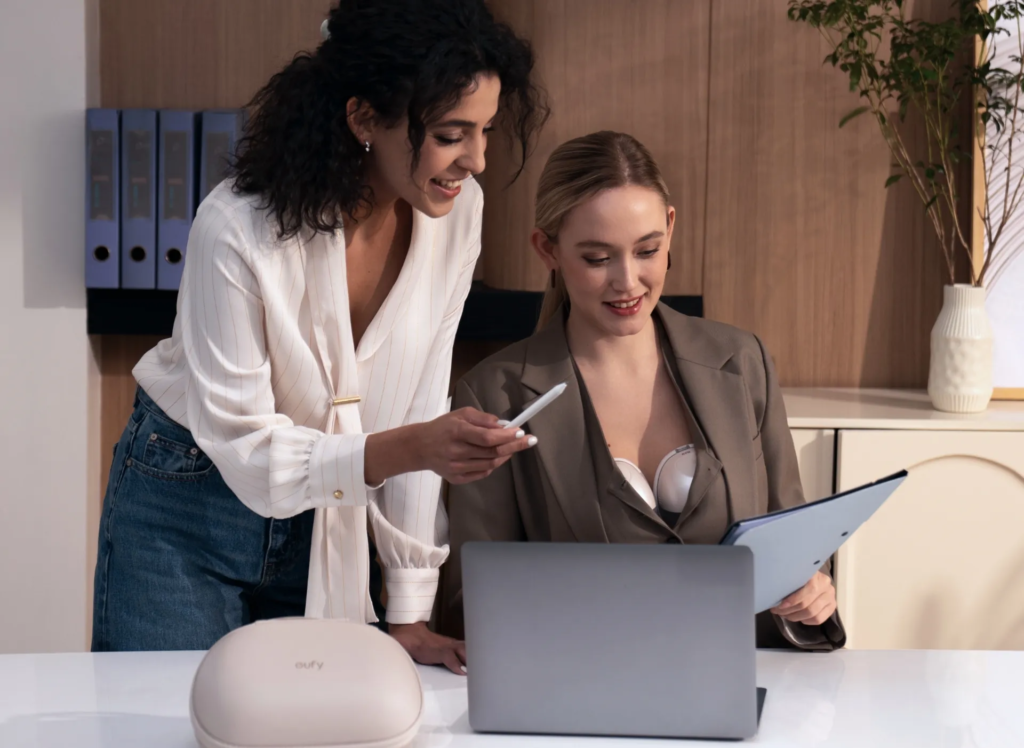
Hands‑free designs let you pump while doing chores, answering emails, or caring for older children. Wearable pumps fit into a nursing bra so you can move around without bottles and tubes dangling. Compact, lightweight pumps slip easily into a handbag or diaper bag, which helps if you commute or travel often. A quiet motor matters in shared offices, night pumping, or when your baby sleeps nearby. Many newer models reduce noise with smart engineering, so you can pump discreetly in public spaces, cars, or meeting rooms without drawing attention.
Smart App Control and Personalized Pumping Experience
Smart app control turns a pump into a tailored tool. With connected pumps, you can track session length, suction levels, and total milk volume. The eufy S1 Pro uses the eufy App and OptiRhythm so you can adjust rhythm, suction strength, and speed to match your letdown pattern. You can save different profiles for morning, evening, or power‑pumping sessions. Some apps log which breast you pumped last and remind you of the next session. This data helps you see trends, protect supply, and tweak settings for better comfort and output.
How Technology Improves Pumping Efficiency and Comfort
Heating Functions and Milk Flow Optimization
Gentle warmth relaxes breast tissue, supports letdown, and may help prevent clogged ducts. The eufy S1 Pro offers 7 adjustable heat settings from 35°C to 41°C using HeatFlow technology. This warmth works during pumping to boost milk output by up to 30% and keep milk moving. Heating functions can reduce the need for separate warm compresses before sessions. Paired with adjustable suction patterns, this tech helps mimic a baby’s natural nursing rhythm. Better flow means shorter sessions, more complete emptying, and less discomfort for parents who pump frequently.
Battery Life, Charging Cases, and On-the-Go Use
Battery life decides how far you can go without hunting for a power outlet. Long‑lasting batteries let you pump at work, on flights, or during weekend trips with fewer worries. Some modern pumps include charging cases that protect the pump and top up power between sessions. USB‑C charging makes it easier to use the same cable for your phone or laptop. Parents who spend lots of time driving or moving between places benefit from pumps that hold multiple sessions per charge, so they can maintain a schedule wherever the day leads.
Conclusion
Choosing the right breast pump comes down to your body, your schedule, and your feeding goals. Modern solutions range from simple manual pumps to fully wearable, app‑controlled systems with heating and smart rhythm control. Features like adjustable suction, HeatFlow warming from 35°C to 41°C, and OptiRhythm app control in pumps like the eufy S1 Pro help you pump more comfortably and efficiently. Think about where you will pump, how often, and how much you want to multitask. With a thoughtful choice, breast pumping can feel more flexible, private, and sustainable.
You May Also Read: What Is a Low-Loss Header and Why It Matters in Modern Heating Systems
