
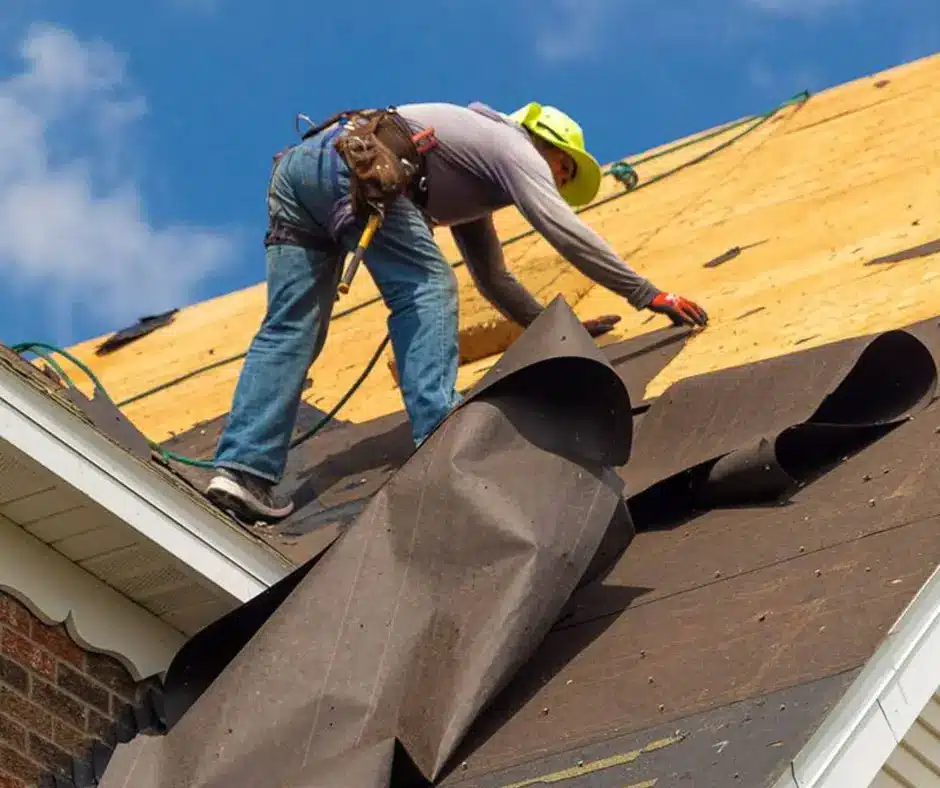
It is easy to think of a roof as just the shingles you see from the curb, but the real work happens underneath. When you are in the middle of a construction project or dealing with storm damage, that black felt or synthetic layer often sits out in the open. If you are looking for a roof repair highland service to get things back in order, you probably already know that time is of the essence. Most people assume a few weeks of exposure won’t hurt, but underlayment is surprisingly sensitive to the elements. Leaving it uncovered for too long can lead to hidden failures that compromise your entire home.
The Brutal Impact of UV Radiation
The biggest enemy of exposed underlayment is the sun. Most roofing materials are designed to live in the dark. Shingles act as a shield that blocks ultraviolet rays, but when that shield is missing, the underlayment takes the full hit. Standard organic felt is saturated with asphalt, and UV rays quickly bake the oils right out of it.
Once those oils evaporate, the material becomes brittle. You might notice it starting to curl at the edges or develop tiny cracks that look like a dried out riverbed. Synthetic versions fare a bit better because they are made of woven polymers, but even they have a shelf life. They are usually treated with UV stabilizers, yet those chemicals only buy you a limited window of time before the plastic starts to break down on a molecular level.
Moisture Absorption and Wicking
Underlayment is meant to be a secondary water barrier, not a primary roof. Its job is to catch the occasional stray drop of water that gets past a shingle, not to handle a direct downpour. When it sits exposed, it absorbs moisture differently than it would if it were covered.
Felt paper is especially prone to “telegraphing” or wrinkling when it gets wet. It expands as it soaks up water and then shrinks as it dries. This constant cycle of swelling and contracting pulls at the staples or nails holding it down. Eventually, the fastener holes stretch out. Once those holes are enlarged, the material is no longer watertight. Water can then seep directly onto your wooden roof deck, which leads to rot and mold before you even get your shingles installed.
Wind Scouring and Physical Tearing
Even if the sun isn’t out and it isn’t raining, the wind is constantly working against an open roof. High winds create pressure shifts that can lift the edges of the underlayment. This is often called wind scouring. The wind doesn’t just blow over the material, it tugs at it.
Because underlayment is relatively thin, it lacks the structural integrity to withstand sustained flapping. Small nicks or tears that occurred during the initial installation can quickly turn into massive rips. If the material stays exposed for a month, the physical stress from the wind can weaken the areas around every single fastener. By the time the actual roofing material goes on top, the underlayment might already be too shredded to do its job effectively during the next big storm.
Heat Degradation and the Greenhouse Effect
Heat is a silent killer for roofing components. When the sun beats down on a dark underlayment surface, the temperature can skyrocket far above the actual air temperature. This intense heat speeds up the chemical aging of the material.
If there is any moisture trapped beneath the underlayment and the roof deck, the heat creates a greenhouse effect. This trapped vapor wants to escape, and it often pushes upward, causing bubbles or blisters in the underlayment. These blisters are weak points. If a roofer walks over these sections later, the material can snap or puncture under their weight. This creates a compromised foundation for your new roof that you might not even see until a leak develops years later.
Final Word
Ignoring the state of your underlayment is a gamble that rarely pays off in the long run. While it might look like a simple piece of paper or plastic, it is the last line of defense for your rafters and ceiling. If your roof has been sitting open for more than a few days, it is a smart move to call in a professional roof repair highland service to inspect the integrity of the barrier. Taking care of these small issues now prevents massive headaches down the road. It is always better to replace a few rolls of damaged felt today than to replace a rotted roof deck tomorrow. UtdPlug
