
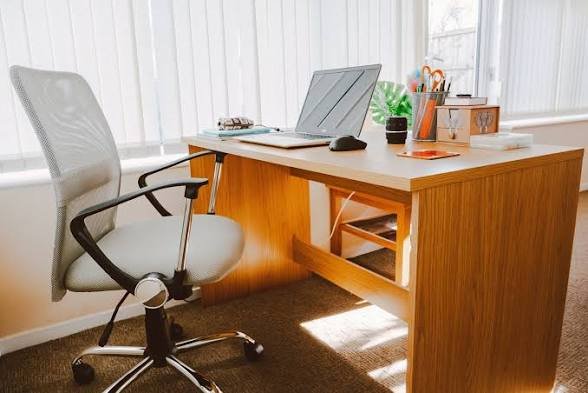
As more individuals opt for remote work and create dedicated spaces in their homes, selecting a suitable home office chair becomes crucial. It plays a vital role in ensuring comfort and enhancing productivity. A well-chosen chair can prevent physical strain and contribute to a more effective workspace.
The significance of ergonomic design in office chairs cannot be overstated. Ergonomic chairs are crafted specifically to support the body, promote proper posture, and reduce the likelihood of strain or injury. These impacts are crucial when spending long hours seated at a desk.
Understanding Ergonomic Features
Key ergonomic features to look for in a home office chair include adjustable height, lumbar support, and seat pan depth. Adjustability in multiple dimensions allows for customization according to personal comfort needs, thus ensuring proper alignment of the spine.
Moreover, armrests should also be adjustable both in height and width. This feature helps maintain the arms’ position parallel to the desk, reducing shoulder fatigue. Adequate lumbar support is a must to safeguard the lower back during extended periods of sitting.
Materials and Build Quality
Another essential consideration when choosing a home office chair is the materials used in its construction. High-quality chairs often employ durable, breathable mesh fabrics that allow for airflow, keeping the user comfortable throughout the day.
The build quality dictates the chair’s longevity and performance. Investing in a well-constructed chair with robust materials will likely yield long-term benefits by preventing the need for frequent replacements.
The Role of Aesthetics in Home Offices
While functionality is a primary concern, the aesthetics of a home office chair should not be ignored. A chair that harmonises with the room’s design can enhance the overall atmosphere of the workspace. The colour, style, and design should align with personal tastes while maintaining professionalism.
These choices can significantly impact the perception of the workspace, encouraging a pleasant environment conducive to focus and productivity.
Cost versus Value
The investment in a good home office chair should be considered beyond the initial cost. The value derived from an ergonomic chair lies in the health benefits and increased productivity it offers. While lower-priced options may be initially attractive, they could result in more significant expenses related to health issues or replacement costs over time.
Overall, a price-to-value ratio analysis is pertinent when selecting an ideal chair.
Adjustability and Flexibility
Flexibility in a home office chair is a testament to its usability across various tasks and users. Chairs offering a range of adjustments cater to different body types and preferences, fostering a more inclusive and versatile environment.
The degree of adjustability directly reflects the chair’s adaptability to different ergonomic needs.
Impact on Productivity
Research suggests that a well-designed office chair can significantly influence work output. By fostering a comfortable seating position, employees can focus better and sustain higher levels of productivity throughout the working day.
A chair that mitigates discomfort allows users to concentrate on tasks rather than distractions stemming from physical unease.
Choosing Based on Work Style
Another factor in selecting a suitable home office chair is the user’s work style. For individuals whose tasks require frequent movement or turning, chairs with casters and a swivel function can be particularly advantageous.
Furthermore, the type of work can dictate certain preferences, such as opting for chairs with reclining features for those who require brief periods of rest between tasks.
Conclusion
A well-selected home office chair is an investment in both health and productivity. Considering ergonomics, materials, aesthetics, and flexibility are all crucial in choosing a chair that meets individual needs while maintaining professional functionality and aesthetic appeal.
Ultimately, the right chair not only enhances work performance but also contributes positively to overall well-being in a home office setting.
