
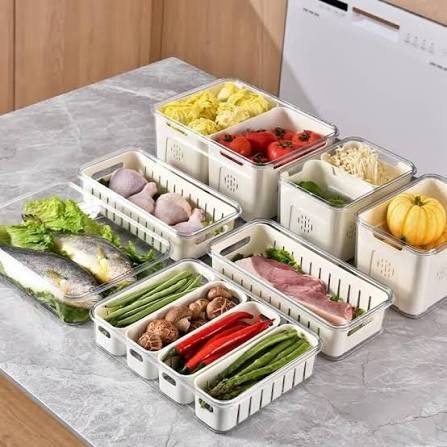
In recent years, the demand for environmentally sustainable packaging solutions has been on the rise. Among the most sought-after products are disposable food containers that offer convenience while minimising environmental impact. Companies like Planet Friendly Packaging are at the forefront of this movement, aiming to reduce plastic waste by offering innovative and sustainable alternatives for food storage and delivery.
The Environmental Impact of Traditional Packaging
Traditional food packaging, often made from plastics, has long been a problem for the environment. These materials can take hundreds of years to decompose, often ending up in landfills or oceans, causing harm to wildlife and ecosystems. The drive towards more sustainable options is not only an ethical choice but a necessary one to address global ecological challenges.
What Makes Disposable Food Containers Eco-Friendly?
Eco-friendly disposable food containers are made from materials that are biodegradable or recyclable. Common materials used include plant-based plastics, recycled paper, and bamboo. These options not only lessen the burden on natural resources but also ensure that the materials can return to the environment with minimal harm.
Benefits of Using Eco-Friendly Containers
One of the primary benefits of using eco-friendly containers is the reduction of waste. As these products decompose naturally, they help in lowering the volume of waste that ends up in landfills. Additionally, these containers are often made from renewable resources, contributing to a more sustainable production cycle.
Furthermore, consumers are increasingly aware of the environmental impact of their choices. By opting for sustainable packaging, businesses can appeal to eco-conscious individuals, enhancing their brand image and loyalty.
Consumer Trends in Packaging
The shift towards sustainable packaging is largely driven by consumer demand. With growing awareness of climate change and pollution, more people are inclined to support companies that demonstrate environmental responsibility. This trend is pushing manufacturers to innovate and develop packaging solutions that meet eco-friendly criteria.
Challenges in the Transition to Sustainable Packaging
Despite the benefits, transitioning to sustainable packaging solutions presents several challenges. Cost is a significant factor; eco-friendly materials can sometimes be more expensive than traditional options. Nonetheless, as technology advances and demand increases, these costs are expected to decrease over time.
Another challenge is the durability and functionality of alternative materials. Some eco-friendly options may not provide the same level of protection or preservation as conventional packaging, which can be a hurdle for certain food products.
The Role of Innovation in Sustainable Packaging
Innovation plays a crucial role in overcoming the challenges faced by eco-friendly disposable food containers. Research into new materials and production methods is essential to create solutions that are both environmentally friendly and practical for everyday use.
Companies engaged in the development of sustainable packaging are exploring novel materials like seaweed, hemp, and biodegradable polymers, which promise to enhance the functionality and affordability of eco-friendly containers.
Government Regulations and Incentives
Governments around the world are implementing regulations and providing incentives to promote sustainable packaging solutions. Policies such as plastic bans and taxes on non-recyclable materials are prompting industries to adopt greener practices.
Incentives like tax breaks and grants are also in place, encouraging companies to invest in research and adoption of environmentally friendly packaging solutions.
The Future of Disposable Food Containers
As consumer awareness and regulatory pressures increase, the future of disposable food containers looks to be increasingly sustainable. The continued innovation and development in materials will pave the way for more environmentally responsible products that do not compromise on convenience or functionality.
Ultimately, the move towards eco-friendly packaging represents a critical step in achieving a more sustainable future, aligning with global efforts to combat environmental degradation and climate change.
Conclusion
The shift to eco-friendly disposable food containers is not just a trend, but a necessary evolution in the packaging industry. As businesses, consumers, and governments work together to prioritise sustainable practices, the positive impact on the planet will become increasingly evident. By choosing eco-friendly packaging, companies can contribute to a healthier environment while meeting the growing consumer demand for sustainable solutions.
