
Mobile cranes support a wide range of lifting tasks across construction, infrastructure, and industrial work. Their flexible designs help crews handle heavy loads, tight spaces, and changing site conditions. Understanding each crane type makes it easier to choose the right machine for your project. With proper selection, teams can improve efficiency, maintain safety, and complete lifts with greater accuracy and reliability.
Understanding Core Categories of Mobile Cranes
Differences Between Hydraulic and Mechanical Cranes
Hydraulic cranes use fluid pressure to generate smooth lifting power, making them ideal for precise and controlled movement. Mechanical cranes rely on gears, pulleys, and winches to lift loads, offering strong performance in heavy, repetitive tasks. Each design provides unique advantages. Hydraulic models suit most modern construction needs, while mechanical cranes remain valuable for specialized applications that demand high durability and strength.
Comparing Wheeled and Tracked Mobility Options
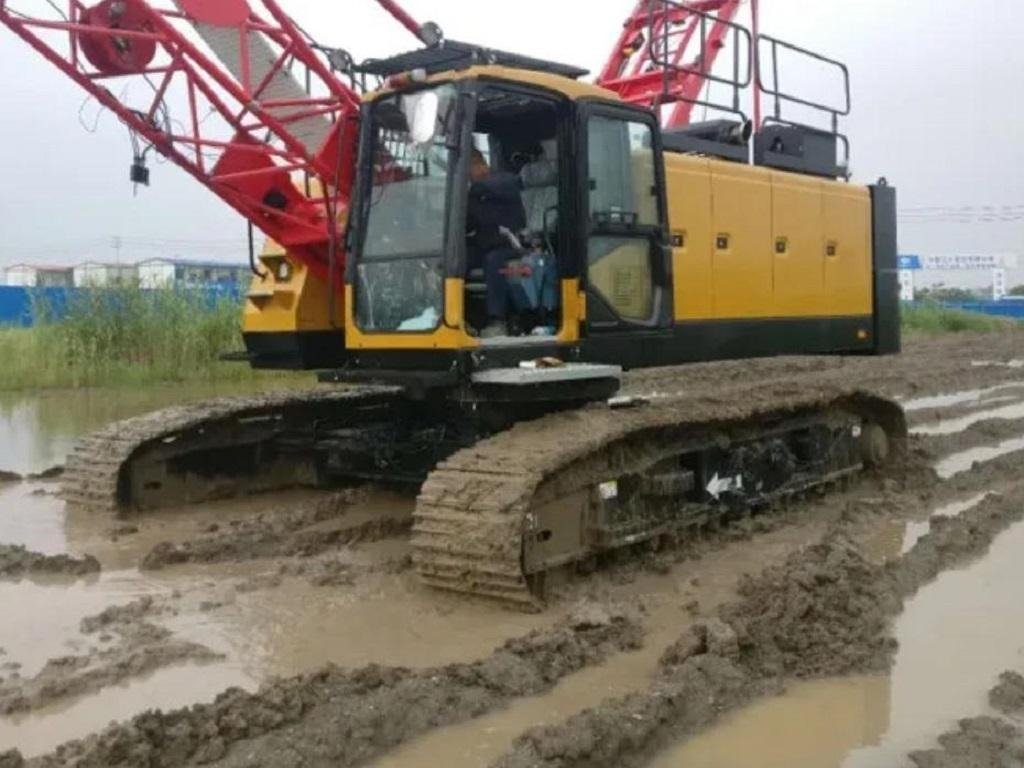
Wheeled cranes move quickly on paved roads and urban areas, offering fast deployment across multiple sites. Their mobility benefits projects that need frequent repositioning. Tracked cranes handle rough terrain better, distributing weight to maintain stability on soft or uneven ground. Choosing between wheels and tracks depends on job conditions, required travel speed, and the environment where the crane must operate safely.
Choosing Crane Types Based on Project Requirements
Each project demands different lifting capabilities, so selecting the right crane type is essential. Evaluate load weight, lift height, site access limits, and operating space. Consider whether the crane must relocate often or work in a fixed area. Understanding these requirements helps match the crane’s mobility, power, and reach with actual job conditions. Correct selection improves efficiency and prevents downtime during key operations.
Key Applications Across Construction and Industry
Heavy Lifting for Infrastructure and Large Structures
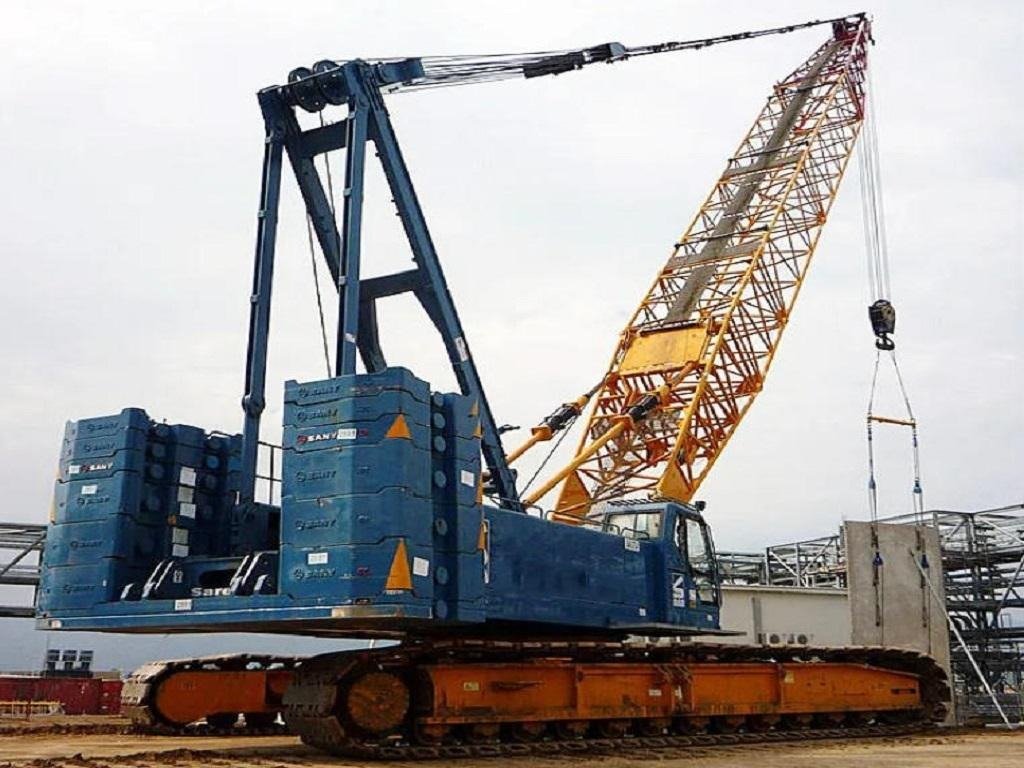
Large mobile cranes handle major infrastructure work, including bridge construction, steel erection, and heavy industrial installation. Their high lifting capacity and extended reach support massive components that require stable and controlled handling. These cranes operate well on open sites with enough room for setup. Their strength helps crews manage demanding lifts safely and keeps large-scale projects progressing on schedule.
Precision Work in Urban and Confined Job Sites
Compact mobile crane crane fits tight spaces and navigates dense urban areas with ease. They work between buildings, along narrow streets, or in restricted access points where larger equipment cannot enter. Their precise controls and shorter turning radius support the accurate placement of materials. These cranes help reduce disruptions and allow efficient lifting in areas with strict space and noise limitations.
Versatile Lifting in Maintenance and Industrial Tasks
Mobile cranes serve maintenance teams, factories, and energy sites with versatile lifting support. They handle equipment replacement, machine installation, and routine facility tasks. Their mobility allows fast deployment across large industrial complexes. With flexible boom configurations and strong lifting systems, they complete a wide range of tasks without requiring separate specialized equipment. This versatility improves productivity and reduces downtime in ongoing operations.
Performance Factors Influencing Crane Selection
Evaluating Capacity, Reach, and Operational Range
Capacity and reach determine whether a crane can safely lift and place materials at required heights or distances. Review load charts for each crane to compare performance across different boom lengths and radii. Operational range also affects how well the crane adapts to changing lift points. Choosing a crane with suitable power and reach ensures lifts remain safe and controlled throughout the project.
Assessing Mobility Needs for Changing Work Zones
Some sites require cranes to move frequently between lift locations. Consider mobility features such as road speed, turning ability, and repositioning ease. Wheeled cranes often offer quicker movement, while tracked cranes provide better traction on uneven ground. Understanding mobility needs helps teams stay efficient, reduce delays, and maintain smooth progress across diverse or expanding work zones.
Considering Terrain, Stability, and Ground Conditions
Ground conditions influence which crane will perform safely on the site. Soft soil, slopes, or uneven areas may require tracked cranes or additional stabilizing equipment. Evaluate how outriggers, matting, or counterweights impact stability. A crane must maintain balance throughout lifting operations. Selecting the right model for the terrain reduces risk, prevents ground failure, and supports safe, continuous lifting performance.
Matching Crane Types to Real-World Use Cases
Selecting Cranes for High-Rise or Vertical Projects
High-rise construction requires cranes with strong vertical reach and stable control at extended heights. Hydraulic all-terrain and tower-assist models often support these tasks. They handle rooftop equipment placement, tall structure assembly, and multi-level material movement. Choosing cranes with appropriate height capacity ensures safe operation in wind-sensitive environments and helps crews maintain precision when lifting to upper floors.
Choosing Solutions for Long-Distance Material Handling
Projects that require long horizontal reach benefit from cranes with extended booms or telescopic systems. These cranes lift materials across wide gaps, open fields, or large facility layouts. Operators can position loads accurately without relocating the machine. This capability improves efficiency on sites such as infrastructure corridors, industrial plants, or port operations where long-distance handling is essential.
Identifying Suitable Cranes for Rapid Deployment Jobs
Some jobs require quick setup and fast turnaround, making compact mobile cranes ideal. These cranes travel easily, set up in minutes, and complete lifts without major site preparation. They support emergency repairs, short-term maintenance, and small construction tasks. Their speed helps crews respond quickly to changing demands and keeps projects moving without extended downtime or complex logistics.
Conclusion
Mobile cranes offer a wide range of capabilities that support construction, industrial work, and specialised lifting needs. Understanding each crane type helps teams choose the right machine for capacity, reach, and site conditions. Matching crane design to real project demands improves safety and efficiency. With proper selection, contractors can manage lifts confidently, reduce delays, and achieve reliable performance across diverse job environments. UtdPlug
