
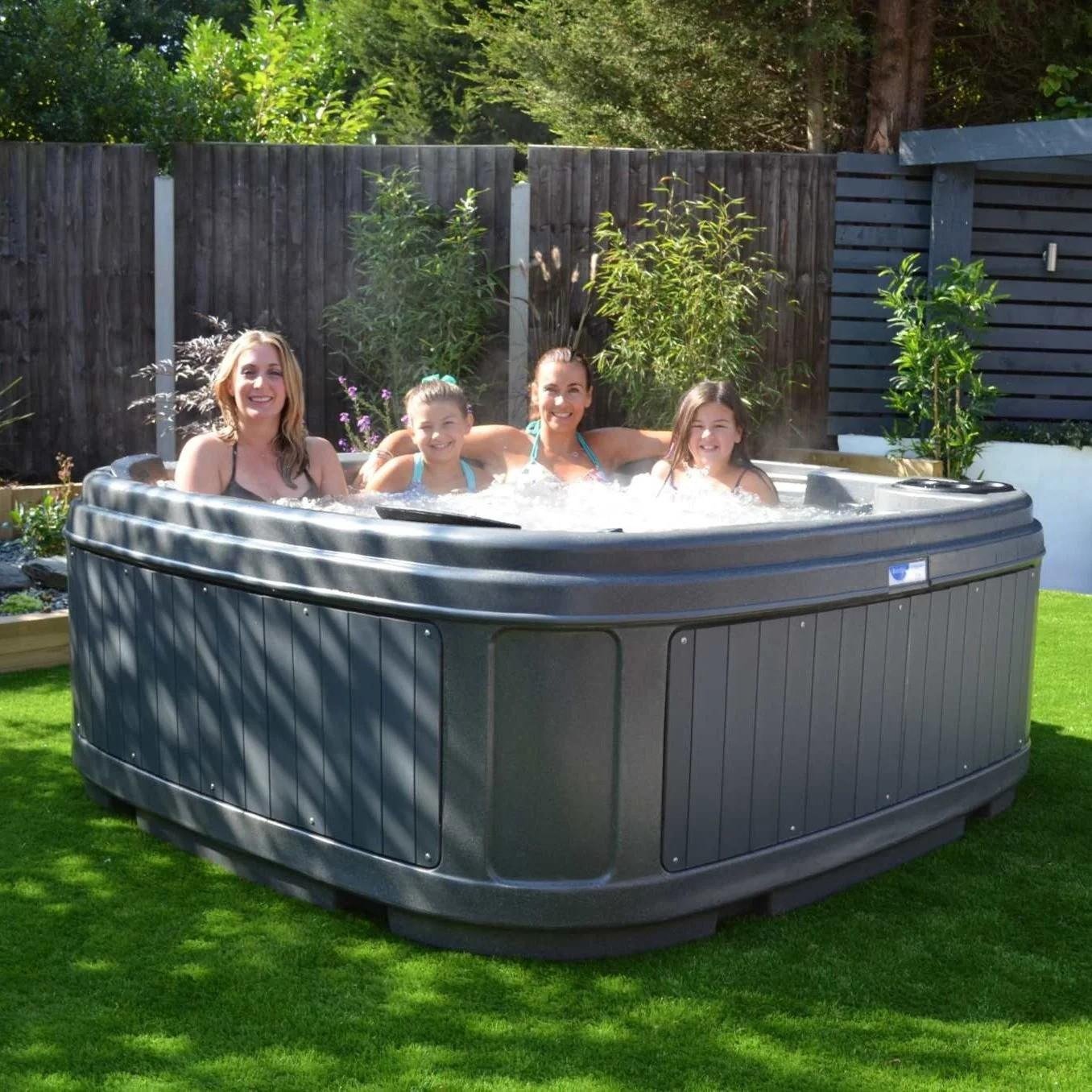
Relaxing in warm, bubbling water after a long day has become part of everyday life for many households across the UK. With unpredictable weather, cooler evenings, and a growing interest in home wellness, hot tubs are no longer seen as a luxury reserved for holidays or spas.
Hot tubs provide more than just relaxation. They support muscle recovery, improve circulation, and create a peaceful space to unwind alone or with family. However, choosing the right hot tub is important to ensure a relaxing experience.
Here’s a step-by-step guide to help you choose a hot tub that fits your lifestyle, space, and budget while delivering long-term comfort and value.
Step 1: Assess Your Hot Tub Needs
Before you begin browsing options, take time to assess your personal needs. Think about how often you plan to use the hot tub and who will be using it most. Some people want a quiet place to relax after work, while others want a social space for family and friends.
Consider the number of seats you need and whether you prefer loungers or upright seating. If hydrotherapy is important to you, pay attention to jet placement and pressure options. Many UK homeowners also look for reliable brands known for comfort and efficiency. For example, rotospa hot tubs are often chosen for their strong build quality, user-friendly controls, and suitability for regular home use.
Understanding these needs early helps narrow down your choices and prevents costly mistakes.
Step 2: Decide on the Installation Type
Hot tubs come in different installation styles, including portable, inflatable, and built-in models. Portable hot tubs are the most common choice in the UK because they are flexible, easier to install, and require less groundwork. Inflatable options are budget-friendly but usually lack durability and advanced features.
Built-in hot tubs offer a seamless look but require professional installation and higher upfront costs. Think about your long-term plans and whether you want a permanent fixture or a more flexible option that can be moved if needed.
Step 3: Measure Your Available Space
Space plays a major role in choosing the right hot tub. Measure your garden, patio, or decking area carefully. Make sure there is enough room not only for the hot tub itself but also for access, steps, and maintenance.
You should also check ground stability and drainage. A flat, solid base is essential for safety and performance. In the UK climate, sheltered placement can help protect your hot tub from strong winds and heavy rain.
Step 4: Check Water Capacity and Seating Comfort
Not all seats offer the same level of comfort. Some hot tubs have deep seats, others have loungers, and some combine both. Try to imagine how you will sit and relax during use.
Water capacity also matters. Larger tubs hold more water and take longer to heat, which can increase running costs. Choosing the right balance between comfort and efficiency is necessary to improve your overall experience.
Step 5: Evaluate Jet Types and Massage Features
Jets are one of the most important features of a hot tub. Different jet types offer different massage effects, from gentle bubbling to deep tissue relief.
Some hot tubs also allow you to control individual jet zones, giving you a personalised massage experience. This is especially useful if multiple users have different comfort preferences.
Step 6: Consider Energy Efficiency
Energy efficiency is a key concern for UK households. Therefore, always look for hot tubs with good insulation, efficient pumps, and smart heating systems. It maintains water temperature more effectively, reducing energy consumption and monthly running costs. You can also consider covers, insulation layers, and energy-saving modes as they all contribute to better efficiency.
Step 7: Review Control Systems and Smart Features
Modern hot tubs often include digital control panels, remote access, and programmable settings. These features allow you to adjust temperature, jets, and lighting with ease.
Smart controls are especially helpful in the UK, where weather conditions can change quickly. Being able to preheat your hot tub or monitor settings remotely adds convenience and peace of mind.
Step 8: Check Build Quality and Materials
Durability is essential for outdoor use. Look for strong shell materials, corrosion-resistant frames, and weather-resistant finishes. A high-quality build ensures your hot tub can withstand rain, cold temperatures, and regular use.
Good materials also reduce maintenance needs and extend the lifespan of your investment.
Step 9: Compare Prices, Support, and After-Sales Service
Price should never be the only deciding factor, but it is still important. Compare what is included in the price, such as delivery, installation support, and accessories.
Reliable after-sales service makes a big difference. Buying from a trusted retailer like Prime Outdoor Store ensures you receive proper guidance, warranty coverage, and ongoing support if issues arise.
Bottom Line
Choosing the right hot tub requires thoughtful planning and attention to detail. By assessing your needs, understanding your space, and evaluating features carefully, you can make a confident and informed decision. It will support relaxation and add long-term value to your home.
