
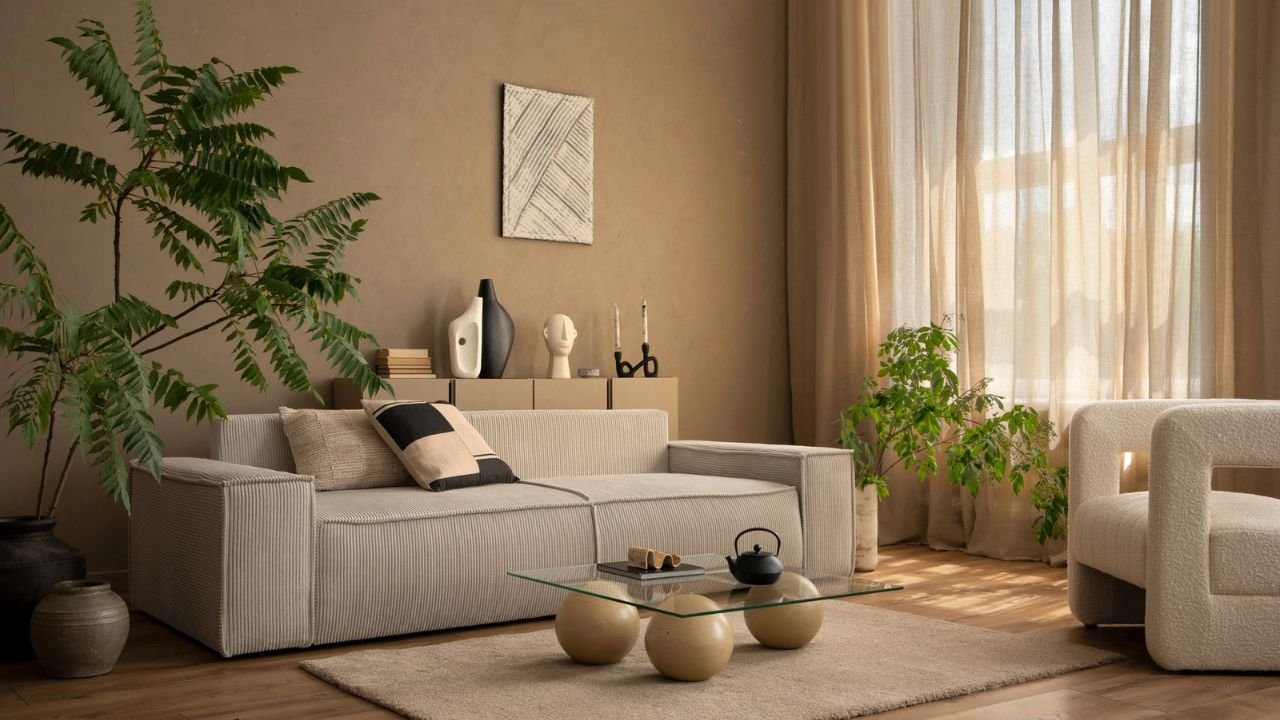
For a while, “Clean Girl” ruled the internet, and homes mirrored the aesthetic with crisp lines, beige walls, and gleaming surfaces that whispered quiet luxury. But lately, something warmer has taken over. The “Comfy Girl” aesthetic has arrived, swapping polished perfection for softness, spontaneity, and lived-in charm. It’s still curated, but with an inviting ease that feels real; more home, less showroom.
This evolution mirrors a cultural shift. People crave comfort, authenticity, and personal expression after years of curated minimalism. The “Comfy Girl” interior is proof that the pendulum has swung from sleek restraint to cosy self-expression.
What Defines the “Comfy Girl” Aesthetic?
Imagine a room where plush throws drape across the sofa, mismatched mugs line the open shelving, and sunlight filters through gauzy curtains onto a patterned rug. That’s “Comfy Girl” energy; effortless yet intentional.
It’s a move away from sterile minimalism towards interiors layered with texture and warmth. Think buttery knits, soft boucle cushions, organic shapes, and a palette that leans towards warm neutrals, soft pinks, gentle greens, and creamy off-whites. Wooden accents, low lighting, and textured flooring add grounding warmth.
It’s not about messiness, but rather comfort and authenticity. The “Comfy Girl” space looks lived in: a book half-open on the coffee table, a candle burning, a throw slightly crumpled on the chair. It’s a celebration of imperfection that still feels considered.
Why This Shift Has Happened
The change from “Clean Girl” to “Comfy Girl” is as much about mindset as design. During the “Clean Girl” era, minimalism symbolised control, calm, and sophistication. Spaces felt aspirational, echoing the influencer-perfect ideal. But as life sped up, many began to crave the opposite: warmth, softness, and rooms that reflect reality rather than aspiration.
The trend also nods to nostalgia. After years of sleek surfaces, the return of vintage furniture, handmade pottery, and second-hand finds feels grounding. Sustainability plays a role too; repurposed items and natural materials align perfectly with the “Comfy Girl” ethos. It’s less about buying new and more about curating what already feels like you.
Psychologically, the style taps into the need for refuge. In uncertain times, comfort becomes a form of self-care. Cosy textures, warm lighting, and familiar tones nurture a sense of security and ease; a welcome counterbalance to the hyper-curated digital world.
How to Bring the “Comfy Girl” Look Home
Start with layering. Combine different textures to create depth: a woollen throw over cotton bedding, a boucle cushion on a linen armchair, or a jute rug grounding smooth wooden flooring. Choose lighting that softens the mood: warm-toned bulbs, candles, or small lamps with fabric shades.
Colour-wise, move beyond strict neutrals. Muted blush, sage green, or buttery yellow can replace stark white walls for a gentler backdrop. Natural materials, like rattan, oak, or linen, work beautifully together, adding warmth and tactility.
Furniture should feel welcoming rather than sculptural. Rounded edges, deep seating, and tactile upholstery are all key. Add personality with sentimental details: framed postcards, ceramic mugs from local makers, or a quirky vintage mirror. The “Comfy Girl” interior doesn’t chase trends; it embraces what feels genuine and comforting.
Clean Meets Comfy: Finding Balance
For those drawn to both worlds, there’s no need to abandon minimalism entirely. A hybrid approach can strike the perfect note with streamlined silhouettes paired with soft textures, or minimalist layouts warmed by layered textiles. A neutral space can feel instantly cosier with the addition of patterned cushions, a textured rug, or a slouchy armchair draped in a chunky knit.
Even flooring can balance the mood: pale oak keeps things light and airy, while darker wood or luxury vinyl tiles brings depth and a sense of grounding. It’s all about creating contrast; pairing polish with personality.
Is the “Comfy Girl” Aesthetic Here to Stay?
Trends are always evolving, sometimes too quickly to even catch on, but this one feels rooted in more than style. It reflects a cultural embrace of softness, care, and authenticity. While the “Clean Girl” look prioritised presentation, the “Comfy Girl” approach values feeling: how a space supports daily life, how it invites relaxation, how it reflects its owner’s quirks.
This isn’t a rejection of minimalism either. Rather, it’s a maturation of it; one that recognises beauty in imperfection and joy in comfort. It’s about creating a space that feels both genuinely lived-in and stylish.
At the end of the day, the most stylish spaces are the ones that welcome you in. Not the ones that ask you to tidy up first. UtdPlug
