
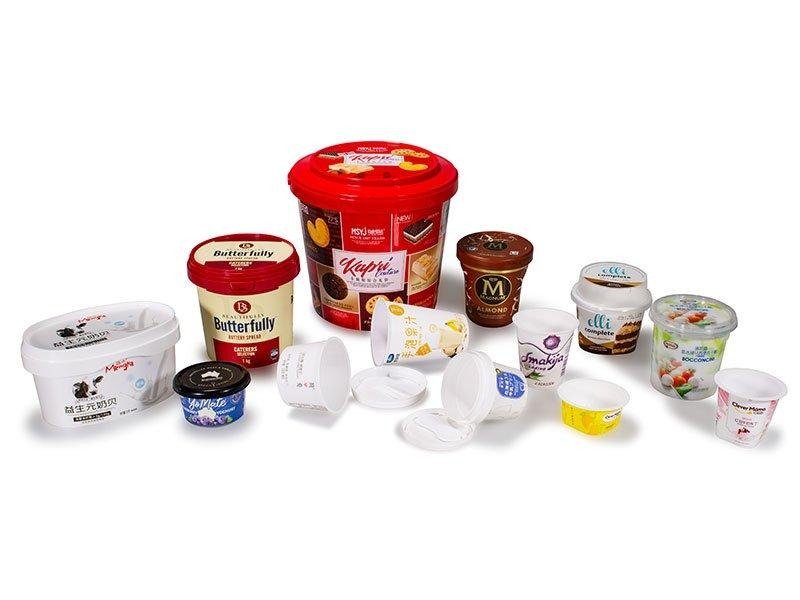
In modern product marketing, packaging is no longer just a protective shell. It has become a silent salesperson, a brand storyteller, and a crucial part of the consumer experience. Businesses are constantly seeking ways to enhance the quality, durability, and appeal of their packaging while keeping production costs manageable. This search for balance has driven many companies toward In Mold Label, a technology reshaping packaging strategy across industries. In-mold labeling, or IML, allows decoration and container production to co-occur, resulting in a seamless, high-quality finish that stands out on shelves without requiring heavy investment in post-production processes.
As consumers increasingly demand products with premium visual appeal at accessible prices, manufacturers need practical, efficient solutions. In-mold labeling has quickly entered the spotlight because it fulfils these dual expectations. It offers the sharp, vibrant graphics marketers love, while delivering production efficiencies and long-term savings manufacturers rely on. This article explores why IML is becoming one of the most cost-effective branding choices for businesses today.
The Rising Importance of Packaging in Modern Branding
Brands no longer compete solely on product quality. The first interaction most customers have with a product is visual, and in many cases, the packaging influences the purchase decision within seconds. Companies with strong visual identities often outperform others on the same shelf simply because they communicate value, trust, and personality through their packaging.
This shift towards visual-driven marketing means that packaging must consistently convey brand messages without fading, peeling, or losing appeal. Traditional methods such as adhesive labels, shrink sleeves, and printed films often struggle to maintain their appearance over time, especially when exposed to moisture, friction, or temperature fluctuations. Additionally, every separate labeling step adds time, cost, and labour to the production process.
In-mold labeling addresses these issues by embedding graphics directly into the container during its formation. The result is packaging that is vibrant, durable, and cost-efficient. For businesses seeking dependable branding solutions, IML offers a long-term solution that aligns with the demand for smart manufacturing.
What Makes In-Mold Labeling a Game-Changer
In-mold labeling works by placing a pre-printed label inside a mold just before the plastic container is formed. As the molten polymer fills the mold, it bonds seamlessly to the label, creating a unified structure. Since the label becomes an integral part of the container, it cannot be peeled or scratched off. This simple shift in production style carries several meaningful benefits that create value throughout the packaging lifecycle.
First, integration saves time. Traditional labeling requires an additional step after the container is manufactured. With IML, this step disappears. The print and container merge in a single process, speeding up production lines and reducing the need for extra equipment or labour. Manufacturers appreciate the streamlined workflow, as it leads to faster output and lower production costs.
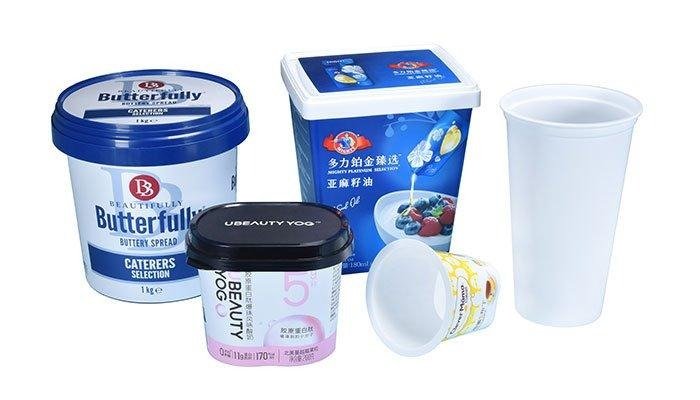
Second, because IML relies on high-quality printed Heat Sealable Bopp Film, it allows for exceptional design freedom. Brands can create photorealistic images, metallic effects, matte finishes, or textured surfaces. These advanced aesthetics enable businesses to package their products in ways that attract attention and convey professionalism. Consumers often associate high-end packaging with reliable and premium-quality products, making IML’s visual precision a vital marketing advantage.
Finally, IML enhances durability. Because the label becomes part of the container, it does not fade, crack, or wrinkle. This is particularly valuable for products that experience rough handling, refrigeration, or long transport periods. A package that maintains its appearance until the moment of purchase strengthens brand reputation and customer trust.
Lower Production Costs Through Streamlined Manufacturing
One of the strongest reasons businesses are adopting IML is the significant reduction in total production costs. The traditional packaging process involves manufacturing the container, storing it, printing labels separately, applying the labels, and checking for alignment or damage. Each of these steps requires additional machinery, personnel, and energy consumption.
When manufacturers shift to in-mold labeling, many of these steps disappear. By combining decoration and molding into a single phase, companies reduce the risk of errors, cut waste, and eliminate the need for expensive labeling lines. Even though IML labels may have a slightly higher upfront cost than simple adhesive labels, the savings from faster production, reduced labour, and lower scrap rates are often substantial.
Businesses operating in sectors such as food, personal care, household products, paints, and industrial goods have found that IML significantly reduces their long-term operational expenses. Faster changeovers, fewer defects, less downtime, and reduced maintenance contribute to a more efficient workflow. Over time, these efficiencies translate into improved profitability and more stable production planning.
Enhancing Shelf Appeal Without Increasing Costs
In many industries, shelf appeal can determine whether a product succeeds or fades into obscurity. Crisp, vibrant, and detailed graphics help attract consumer attention and reflect the quality of the product inside. With IML, brands can achieve premium visual effects without resorting to expensive printing technologies.
Because IML relies on high-resolution printing before the label enters the mold, designers have complete control over the final appearance. They can incorporate vivid colours, complex patterns, and even interactive elements like QR codes or promotional visuals. A significant advantage is consistency. Every package looks identical because the printing happens under controlled conditions, reducing variation from batch to batch.
This uniformity brings a professional appearance that strengthens brand identity. Whether a product sits on store shelves for a day or a month, its visuals remain intact. The colours do not fade under store lighting, and the surface does not wear away. Businesses can present their brand image exactly as intended without investing extra resources into protective coatings or secondary decorations.
Sustainability: A Cost Advantage That Aligns with Modern Values
Sustainability is increasingly important in consumer decisions and government regulations. Many companies adopting in-mold labeling appreciate that it supports their environmental goals while also saving money. Because the label and container are made from the same polymer family, the entire package is easier to recycle than traditional packaging that mixes adhesives, inks, and films with different chemical structures.
Using lightweight polypropylene containers with IML reduces overall plastic consumption without compromising strength. Additionally, eliminating adhesives, paper labels, and multi-layer materials simplifies the recycling process and supports a circular economy.
From a business perspective, sustainable packaging can also improve brand image. Consumers often feel more confident purchasing from brands that demonstrate environmental responsibility. When sustainability aligns with cost reductions, the result is a compelling argument for adopting IML.
Durability That Protects Both the Product and the Brand
Packaging durability directly impacts customer satisfaction. A scuffed label, a peeling corner, or a faded graphic creates a negative perception of the product before the package is even opened. In industries where visual presentation is critical, such flaws can harm brand reputation.
IML eliminates these issues by creating packaging that is scratch-resistant, waterproof, and able to withstand extreme temperatures. Whether a container is stored in freezers, exposed to moisture, or handled frequently during transport, the label maintains its integrity. This ensures that the product reaches customers looking just as flawless as when it left the factory.
This durability reduces the cost associated with damaged or rejected packaging. Retailers often return products with flawed labels, which can be costly. By choosing IML, manufacturers can minimize returns and maintain higher-quality standards with less effort.
Flexibility Across Industries
Another reason businesses are embracing in-mold labeling is its versatility. It is effective across a wide range of industries, including dairy products and beverages, cosmetics, pharmaceuticals, and automotive components. This broad applicability means manufacturers can standardize their packaging processes across product categories.
Different container shapes, sizes, and finishes can be achieved through IML. Complex designs that would be difficult to label manually become simpler because the label conforms to the mold’s shape. This flexibility gives brands room for creativity and innovation without increasing manufacturing complexity.
The Financial Logic Behind the Growth of IML
When businesses evaluate packaging options, they consider initial investment, long-term operational costs, and the potential impact on brand performance. IML stands out because it reduces labour, lowers waste, improves production efficiency, and strengthens the brand’s visual presence. The combination of these benefits creates a strong financial argument.
In competitive markets, the ability to produce premium-looking packaging at a lower cost becomes a significant advantage. As more brands adopt IML, the economies of scale improve, making the technology even more cost-effective for newcomers. This creates a cycle of adoption that continues to accelerate as companies witness the benefits firsthand.
Conclusion: The Future of Packaging Belongs to Smarter Solutions
The shift towards in-mold labeling reflects a broader trend in the packaging industry: the pursuit of solutions that deliver beauty, durability, and efficiency without overwhelming production budgets. IML offers businesses a way to upgrade their branding, enhance packaging quality, and streamline operations simultaneously. It allows brands to present themselves with confidence while eliminating many hidden costs associated with traditional labeling methods.
As markets become more crowded and customer expectations continue to rise, the importance of packaging grows even stronger. In-mold labeling is emerging as one of the most reliable and cost-effective strategies for companies aiming to blend innovation, sustainability, and profitability. For businesses seeking a more innovative approach to branding, IML represents a future-forward solution that promises long-term value and a lasting competitive edge. UtdPlug
