
Establishing a strong foundation for your child’s oral health begins early. The timing of their first dental visit plays a crucial role in setting the stage for a lifetime of healthy smiles. But when exactly should that first appointment take place at Dr Mali Dental Clinic? This comprehensive guide delves into expert recommendations, what to expect during the visit, and how to prepare your child for a positive dental experience.
Why Is the First Dental Visit So Important?
The initial dental check-up is more than just a routine examination; it’s an opportunity to:
- Establish a Dental Home: A consistent relationship with a dental professional who understands your child’s needs.
- Prevent Dental Issues: Early detection of potential problems like tooth decay or alignment issues.
- Promote Positive Associations: Helping your child feel comfortable and familiar with dental visits.
- Educate Parents: Providing guidance on teething, oral hygiene, diet, and habits like thumb-sucking.
When Should the First Dental Visit Occur?
Leading health organisations, including the National Institute for Health and Care Excellence (NICE) and the British Society of Paediatric Dentistry (BSPD), recommend that a child should have their first dental check-up by the age of one or within six months of the eruption of their first tooth.
This early visit allows the dentist to:
- Monitor the development of teeth and gums.
- Provide advice on oral hygiene practices.
- Discuss dietary habits that affect dental health.
- Address any concerns parents may have.
What Happens During the First Dental Visit?
The first dental appointment is typically brief and focused on making your child feel at ease. Here’s what you can expect:
- Introduction to the Dental Team: Meeting the dentist and hygienist in a friendly, welcoming environment.
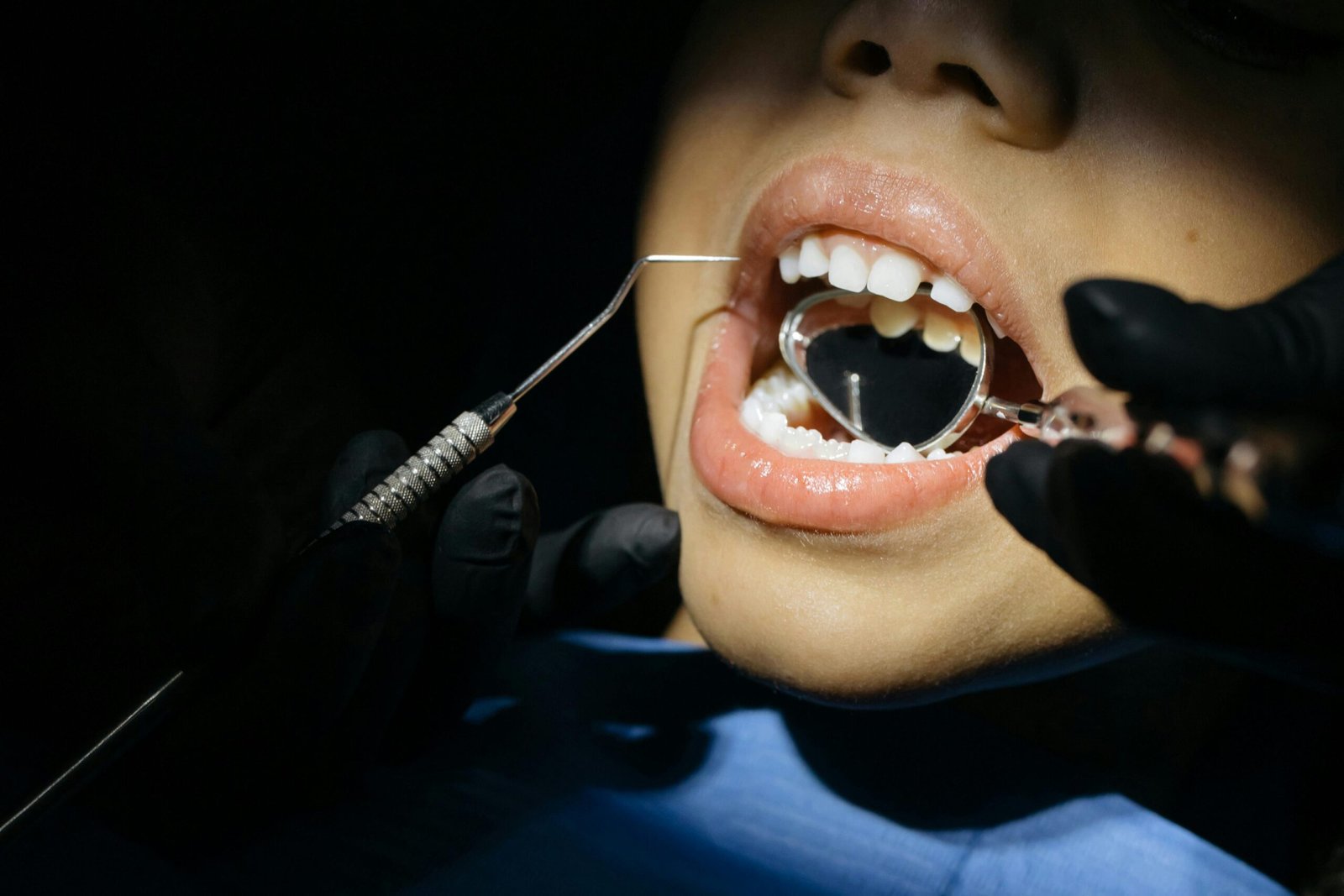
- Oral Examination: The dentist will gently check your child’s teeth and gums for any signs of early issues.
- Guidance for Parents: Advice on brushing techniques, fluoride use, and the importance of a balanced diet.
- Discussion of Habits: Addressing concerns like thumb-sucking or pacifier use.
- Positive Reinforcement: Offering stickers or small rewards to make the experience enjoyable.
Preparing Your Child for the First Visit
To ensure a smooth and stress-free experience:
- Talk Positively About the Dentist: Use simple, reassuring language to describe the visit.
- Read Books or Watch Videos: There are many child-friendly resources that depict dental visits.
- Play Pretend: Role-playing with toys can help demystify the process.
- Stay Calm: Children often pick up on their parents’ emotions, so maintaining a relaxed demeanour can help ease their anxiety.
Establishing Healthy Oral Habits Early
Even before the first tooth appears, you can start caring for your baby’s oral health:
- Clean Gums: Use a soft, damp cloth to wipe your baby’s gums after feeding.
- Introduce Brushing: Once teeth emerge, brush them gently with a small, soft-bristled toothbrush and a smear of fluoride toothpaste.
- Avoid Sugary Drinks: Limit the intake of sugary beverages to reduce the risk of tooth decay.
- Encourage Healthy Eating: Offer a balanced diet rich in fruits, vegetables, and calcium-rich foods.
Encouraging Lifelong Dental Habits
Early dental visits also provide an opportunity to teach children about the importance of oral hygiene in a fun and engaging way. Dentists can demonstrate proper brushing and flossing techniques, making it easier for children to adopt these habits at home. Establishing a routine early on helps children understand that dental care is a normal and essential part of their daily life. By combining professional guidance with consistent home care, you can help your child develop a positive attitude toward dental health, reducing anxiety and promoting a lifetime of strong, healthy teeth.
The Importance of Regular Dental Check-Ups
After the initial visit, it’s essential to maintain regular dental check-ups. The general recommendation is to visit the dentist every six months.Regular visits help monitor your child’s oral development, provide timely interventions if needed, and reinforce the importance of good oral hygiene.
Common Concerns and Questions
Is the First Visit Necessary?
Absolutely. Early dental visits are crucial for establishing good oral health habits and preventing future problems.
What If My Child Is Anxious?
It’s normal for children to feel apprehensive. Communicate openly with the dental team about your child’s fears so they can provide extra support.
Can I Stay with My Child During the Appointment?
Yes, most dental practices encourage parents to accompany their child to provide comfort and reassurance.
Conclusion
Scheduling your child’s first dental visit by their first birthday or within six months of their first tooth eruption is a proactive step towards ensuring their long-term oral health. By introducing them to the dentist early, you help foster positive dental experiences and instil habits that will benefit them throughout their lives.
Remember, a healthy smile starts early. Don’t wait—book that first dental appointment today and set your child on the path to a lifetime of good oral health.
