
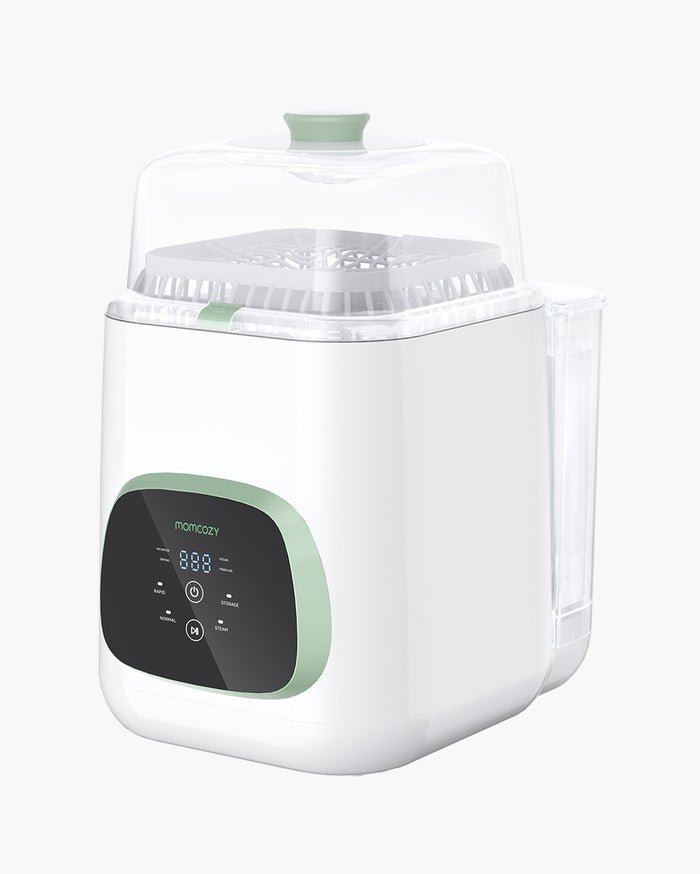
Few things keep new parents awake at night quite like the nagging worry: “Is my baby’s bottle actually clean?” You’ve scrubbed, rinsed, and maybe even boiled—but that lingering uncertainty remains. With bottle washers now offering multiple cleaning cycles, the confusion has only deepened. Which setting truly eliminates harmful bacteria? Is a quick wash sufficient, or does every feeding demand a full sterilization? The gap between owning a bottle cleaner and understanding how to use it effectively is wider than most parents realize. A machine is only as good as the cycle you select and the routine you follow. This article cuts through the noise to give you clear, science-backed guidance on which cleaning cycle ensures your baby’s bottles are genuinely safe. Whether you’re preparing a nursery or already navigating midnight feedings, you’ll walk away knowing exactly how to protect your infant’s health—one cycle at a time.
The Critical Importance of Proper Baby Bottle Care
A newborn’s immune system is still under construction. During the first twelve months of life, infants lack the robust defenses that older children and adults rely on to fight off everyday pathogens. This biological reality makes baby bottle care far more than a household chore—it’s a frontline health measure. Breast milk and formula are nutrient-rich liquids, and any residue left inside a bottle becomes a breeding ground for bacteria within hours. Organisms like E. coli, Salmonella, and Cronobacter sakazakii thrive in the warm, protein-laden film that clings to bottle walls, nipples, and threading. Mold can also colonize hard-to-reach crevices, particularly in anti-colic valves and vented systems, often invisible to the naked eye.
The consequences of inadequate cleaning range from mild gastrointestinal upset to serious infections requiring hospitalization. Studies have found that improperly cleaned feeding equipment is a significant contributor to diarrheal illness in infants—a condition that can escalate quickly due to dehydration. Beyond bacteria, mineral deposits from water and fat residues from milk can degrade bottle materials over time, creating microscopic scratches where pathogens hide from surface-level washing. This is precisely where a bottle washer changes the equation. By combining controlled water pressure, appropriate detergent action, and thermal sterilization in a single appliance, it addresses the limitations of hand washing alone. Understanding how to leverage its cycles transforms it from a convenient gadget into a genuine safeguard for your baby’s health.
Understanding Your Bottle Washer’s Cleaning Cycles
Modern bottle washers typically offer between three and five distinct cleaning modes, each engineered for specific scenarios. The Quick Wash cycle runs approximately 20 to 30 minutes and handles lightly soiled bottles that were rinsed immediately after use—think of it as a refresh rather than a deep clean. The Normal cycle, lasting 45 to 60 minutes, is your everyday workhorse, combining adequate water temperature and mechanical action to dissolve dried milk proteins and fat residues. The Heavy or Intensive cycle extends to 70 to 90 minutes with higher water temperatures and additional rinse phases, making it ideal for bottles left sitting for several hours or those used with thicker formulas. Finally, the Sanitize cycle—sometimes labeled “Sterilize”—uses sustained high heat, typically above 70°C (158°F), to eliminate up to 99.9% of bacteria after the washing phase is complete.
Choosing the right cleaning cycle depends on several factors. Breast milk and standard formula generally do well on a Normal cycle when bottles are loaded promptly, while specialty formulas with added rice starch or probiotics often demand the Heavy setting due to their tendency to coat surfaces more stubbornly. Bottle material also matters: glass tolerates high-heat cycles without concern, whereas certain plastics may warp under prolonged Intensive settings unless the manufacturer confirms heat resistance. Time constraints play a role too—overnight, a longer cycle with built-in sanitization makes sense, while midday turnarounds may call for Quick Wash followed by a separate Sanitize phase. The key principle is that no single cycle suits every situation; matching the mode to the soil level and your schedule produces consistently safe results.
Breaking Down the Standard Cleaning Cycle
The standard cleaning cycle unfolds in three deliberate stages. It begins with a pre-rinse using cool or lukewarm water to loosen surface-level milk residue without cooking proteins onto the plastic or glass—hot water applied too early can actually bond milk proteins to surfaces, making them harder to remove. Next comes the main wash, where water heated to approximately 50–60°C circulates with detergent through targeted spray jets. This phase dissolves fats, breaks down proteins, and dislodges particles trapped in nipple holes and threading grooves. The final stage is a thorough hot rinse that flushes away all detergent and remaining debris, leaving surfaces physically clean. This cycle removes organic matter—the essential prerequisite before any sterilization can be effective, since bacteria sheltered beneath residue layers survive even high-temperature treatments.
The Role of the Sanitize/Sterilization Cycle
Sanitization is the safety net that follows cleaning—never a substitute for it. During this cycle, the machine generates sustained steam or circulates water at temperatures exceeding 70°C for a defined period, destroying vegetative bacteria, viruses, and fungi that survived the wash. Think of cleaning as removing the food source and sanitization as eliminating the organisms themselves. Running a sanitize cycle on a bottle still coated in milk film will produce a hot, bacteria-laden bottle rather than a safe one. Most machines allow you to select a combined program—wash plus sanitize in sequence—which is the most reliable approach for daily use. When bottles come out of a properly executed sanitize cycle, they’re ready for immediate use or covered storage without recontamination risk.
Sterilization Duration: How Long is Enough?
The effectiveness of sterilization comes down to a simple equation: temperature multiplied by time. Pathogens don’t die instantly when exposed to heat—they require sustained thermal exposure to denature their proteins and rupture cell membranes. Research in food safety and medical device sterilization consistently shows that most vegetative bacteria, including E. coli and Salmonella, are destroyed within 5 to 10 minutes at temperatures above 70°C. However, more resilient organisms like Cronobacter sakazakii—particularly dangerous for infants under two months—require exposure closer to 70°C for a full 10 minutes or higher temperatures for shorter durations to achieve reliable kill rates. This is why sterilization duration matters as much as the temperature itself.
Most bottle washer manufacturers program their sanitize settings to maintain steam or hot water contact for 8 to 15 minutes, aligning with guidelines from health authorities such as the CDC and WHO. Shorter “sanitize” settings—around 5 to 8 minutes—typically operate at slightly higher peak temperatures to compensate for reduced exposure time, while longer “sterilize” modes sustain moderate heat over 12 to 15 minutes for a gentler but equally effective approach. For parents of premature infants, immunocompromised babies, or children under three months, pediatricians generally recommend the longer sterilization duration to provide maximum assurance. After three months, healthy full-term infants with developing immune systems can safely transition to the shorter sanitize setting for daily use, reserving the extended cycle for bottles that sat unwashed or were used by a sick child.
The trade-off between these settings is practical rather than medical for most families. Longer cycles consume more energy and time but offer a wider margin of safety. Shorter cycles fit better into busy feeding schedules without meaningfully increasing risk for healthy older infants. The guiding principle is straightforward: when in doubt, choose the longer duration. A few extra minutes of steam exposure costs nothing but time, while under-sterilizing a contaminated bottle carries real consequences. Check your machine’s manual for the specific temperatures and durations each mode delivers, and match them against your pediatrician’s recommendations based on your baby’s age and health status.
Step-by-Step Guide to a Safe Bottle Cleaning Routine
Knowing which cleaning cycle to select is only half the equation—building a consistent routine around your bottle washer ensures every feeding is genuinely safe. The process begins the moment your baby finishes eating. Rinse the bottle, nipple, collar, and any anti-colic components under cool running water within minutes of use. This single habit prevents milk proteins from drying into a stubborn film that even intensive cycles struggle to fully dissolve. A quick rinse takes fifteen seconds and dramatically improves the effectiveness of whatever machine cycle follows.
When loading the bottle washer, disassemble every component completely. Place bottles upside down on designated pegs so water jets reach the interior base, and position nipples and valves in the small-parts basket with openings facing downward. Overcrowding blocks spray arms and creates shadow zones where residue survives, so resist the temptation to squeeze in one extra bottle. Once loaded, select a combined cleaning cycle that includes both the wash and sanitize phases in sequence—this eliminates the risk of forgetting the sterilization step during hectic days. For bottles rinsed immediately after use, the Normal plus Sanitize combination handles daily needs reliably. If a bottle sat in a diaper bag for hours, switch to Heavy plus Sanitize for the added mechanical action and extended rinse.
After the cycle completes, unload bottles with clean, dry hands or tongs rather than a used dish towel that could reintroduce bacteria. Place them on a dedicated drying rack in a clean area away from kitchen splatter, or use the machine’s built-in drying function if available. Once fully dry, store assembled bottles in a sealed container or covered cabinet to prevent airborne contaminants from settling inside. Following this routine—rinse, load properly, run the right cleaning cycle, and store hygienically—transforms bottle preparation from a source of anxiety into a predictable, trustworthy system that protects your baby at every feeding.
Maintaining Your Bottle Cleaner for Optimal Performance
Your bottle washer can only deliver reliable cleaning cycles and consistent sterilization duration if the machine itself stays in good condition. Mineral deposits from hard water gradually coat internal heating elements and spray nozzles, reducing water temperature and pressure over time—meaning the sanitize cycle that once hit 75°C might quietly drop below effective thresholds without any visible warning. Run a decalcification cycle with citric acid or the manufacturer’s recommended descaler every two to four weeks, depending on your water hardness. Between deep cleans, check and rinse the filter basket after every few loads to prevent trapped food particles from recirculating onto freshly washed bottles. Wipe the door seal and interior walls weekly with a damp cloth to remove moisture buildup where mold loves to establish itself. Brands like Momcozy, which design their feeding products with busy parents in mind, emphasize that these small maintenance habits take less than five minutes but ensure that every cleaning cycle performs exactly as designed, giving you confidence that the sterilization duration programmed into your machine translates into genuine pathogen elimination on your baby’s bottles.
Building a Consistent Routine for Safe Baby Bottle Hygiene
Safe baby bottles don’t happen by accident—they result from understanding and consistently applying the right combination of cleaning and sterilization. The core takeaway is simple: a thorough cleaning cycle removes the organic residue that harbors bacteria, and a sanitize or sterilize cycle eliminates the pathogens themselves. One without the other leaves gaps in protection. For sterilization duration, aim for at least 8 to 15 minutes of sustained heat above 70°C, adjusting based on your baby’s age, health status, and your pediatrician’s guidance. Younger and immunocompromised infants benefit from longer durations, while healthy babies over three months can safely rely on standard sanitize settings for everyday use.
Building a reliable routine—rinsing immediately, loading correctly, selecting the appropriate combined cycle, and storing bottles hygienically—eliminates guesswork from your day. Pair this with regular machine maintenance, and your bottle washer becomes one of the most dependable tools in your parenting arsenal. You don’t need to be perfect at every step; you need to be consistent. Trust the process, trust the science behind proper baby bottle care, and let that midnight feeding anxiety fade. Your baby’s health is well protected when the right cleaning cycle runs every single time.
