
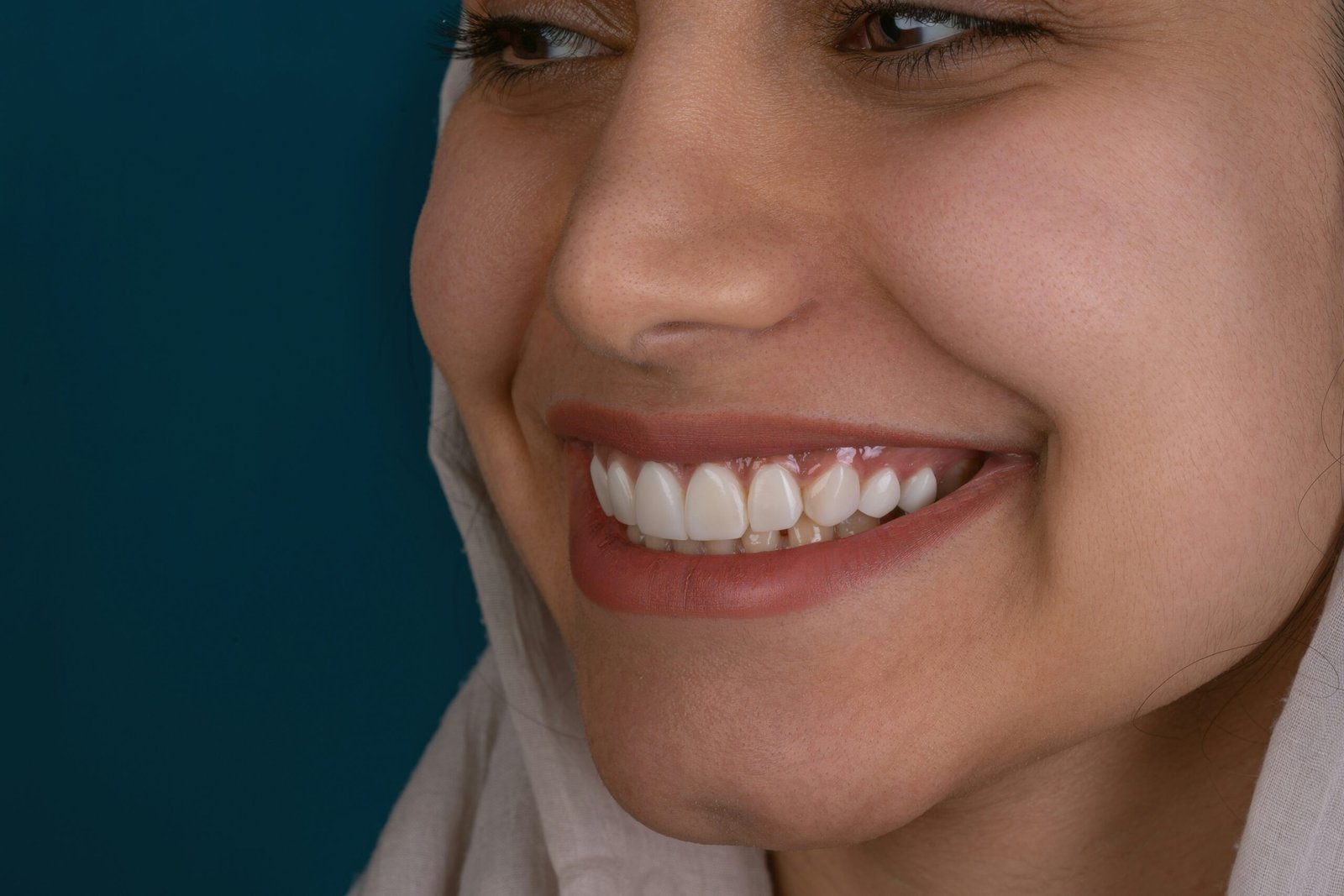
Finishing your Invisalign treatment is a great milestone. Your teeth are straighter, your bite feels more comfortable, and your smile has already improved. For many people, the next step is whitening. After months of wearing aligners, it is natural to want your teeth to look as bright as possible. However, if you have sensitive teeth, you may feel unsure about whitening after Invisalign. The good news is that it can be done safely with the right approach and the right advice. This guide explains the full teeth whitening process after Invisalign, how sensitivity affects the treatment, and what you can expect at each stage.
Why Whitening After Invisalign Is So Popular
Invisalign aligners help straighten your teeth gradually, and the treatment often makes people more aware of their smile. Once the aligners come off, it becomes clear that whitening can enhance the final result. Even though your teeth may be well-aligned, discolouration from food, drink, or everyday habits may still be noticeable. Whitening brightens your smile and helps give it a more polished and balanced look.
Whitening after Invisalign is also convenient. Your teeth are already in their ideal position, which means any whitening gel or tray fits more evenly across the surface. This helps produce more consistent results.
Understanding Tooth Sensitivity After Invisalign
While Invisalign does not directly cause sensitivity, the movement of teeth and the use of attachments can make gums and teeth feel a little tender. Sensitivity after orthodontic treatment is common, and it usually settles once your treatment ends. However, if you already had sensitive teeth before, you may notice it more once you begin thinking about whitening.
Sensitivity can be triggered by cold air, cold drinks, and hot food, and whitening gel can increase this feeling for some people. That is why dentists at Zen House Dental recommend a personalised whitening plan for patients with sensitive teeth. Professional guidance ensures that the whitening process is gentle, controlled, and suitable for your needs.
Your Whitening Consultation After Invisalign
Before you begin whitening, your dentist will arrange a consultation. This appointment checks the health of your teeth and gums and helps your dentist understand your level of sensitivity. They may ask questions such as:
- How long have you experienced sensitivity?
• Does it affect certain teeth more than others?
• Does cold, heat, or pressure trigger discomfort?
• Have you used whitening products before?
During this appointment, your dentist will also examine your enamel. Thin enamel can make teeth more sensitive, and this will influence the strength of whitening gel used. Your dentist may recommend a desensitising treatment before whitening if you need it.
The Whitening Options You Can Choose From
There are several whitening methods, but not all are suitable for sensitive teeth. Professional whitening is the safest option because it is carefully controlled. The most common professional treatments include:
Home Whitening Kits
These involve custom-made trays designed to fit your teeth perfectly. You use a whitening gel at home for a set amount of time each day. For sensitive teeth, the gel strength may be reduced to avoid discomfort.
In-Practice Whitening
This type of whitening is done at the dental practice. Your dentist applies a stronger gel and may use a special light to activate it. While this gives faster results, it may not be ideal for someone with high sensitivity, unless a gentler formula is chosen.
Combination Whitening
Many dentists use a mix of in-practice and home whitening. It gives long-lasting results and allows your dentist to adjust the intensity to suit your sensitivity level.
Your dentist will explain the benefits of each method and help you choose the best option based on how sensitive your teeth are.
Preparing Your Teeth for Whitening
Preparation is a key part of the whitening process, especially for sensitive teeth. Before whitening starts, your dentist may recommend using a desensitising toothpaste for two weeks. This helps strengthen the enamel and reduce discomfort during treatment.
You may also be advised to avoid very hot or cold drinks, as controlling sensitivity early makes the whitening process easier. In some cases, your dentist may apply a fluoride varnish to protect the enamel before the whitening gel is used.
If your Invisalign treatment has just finished, your teeth may also need a short rest period to settle. Giving your mouth a little time to recover ensures a smoother whitening experience.
What Happens During the Whitening Treatment
If you choose home whitening, you will receive custom whitening trays. These trays are shaped using digital scans or impressions, making them comfortable and secure. For sensitive teeth, you will use the gel for a shorter time each day, often one hour or less. Your dentist will give clear instructions, including how much gel to apply and how long to wear the trays.
If you choose in-practice whitening, your gums will be protected before the gel is applied. The gel stays on your teeth for several short sessions, with your dentist checking your comfort throughout. With sensitive teeth, the gel concentration is usually lower, and your dentist may pause between sessions if needed.
Whichever method you choose, sensitivity is usually temporary. It may last a few hours or a day after each session, but it settles quickly.
Caring for Sensitive Teeth During the Process
While whitening, it is important to protect your teeth from unnecessary discomfort. You can reduce sensitivity by:
- using toothpaste designed for sensitive teeth
• avoiding very cold drinks and icy foods
• limiting acidic foods like citrus, which can increase sensitivity
• using the whitening gel for the exact amount of time recommended
• telling your dentist if sensitivity increases
If you are unsure about your symptoms, you can always check general advice on the health website.
What Results You Can Expect After Whitening
Whitening after Invisalign can produce brighter, cleaner-looking teeth with an even shade. Because your teeth are already straight, the whitening effect usually looks smooth and natural. You may notice results within a few days, although sensitive teeth may require a slower process.
Most people achieve several shades of improvement. Your dentist will show you a shade chart so you can compare your before and after results. The final shade depends on your enamel, your natural tooth colour, and how regularly you use the whitening trays.
Maintaining Your Brighter Smile
Once treatment is finished, you can keep your teeth bright by following good habits. This includes brushing twice a day, flossing daily, and avoiding foods that stain easily, such as coffee, tea, red wine, and certain sauces.
You may need top-up whitening every few months or once a year, depending on your daily habits. Your dentist will explain how to maintain your results safely without increasing sensitivity.
A Brighter Smile with Comfort in Mind
Whitening your teeth after Invisalign is a great way to complete your smile journey. Even if you have sensitive teeth, the process can still be comfortable and successful with the right advice. Professional whitening ensures the treatment is safe, controlled, and tailored to your sensitivity level. With gentle care and proper guidance, you can enjoy a brighter smile that still feels healthy.
If you take your time, follow the steps carefully, and work with your dentist, you can achieve a bright, confident smile without discomfort. UtdPlug
