
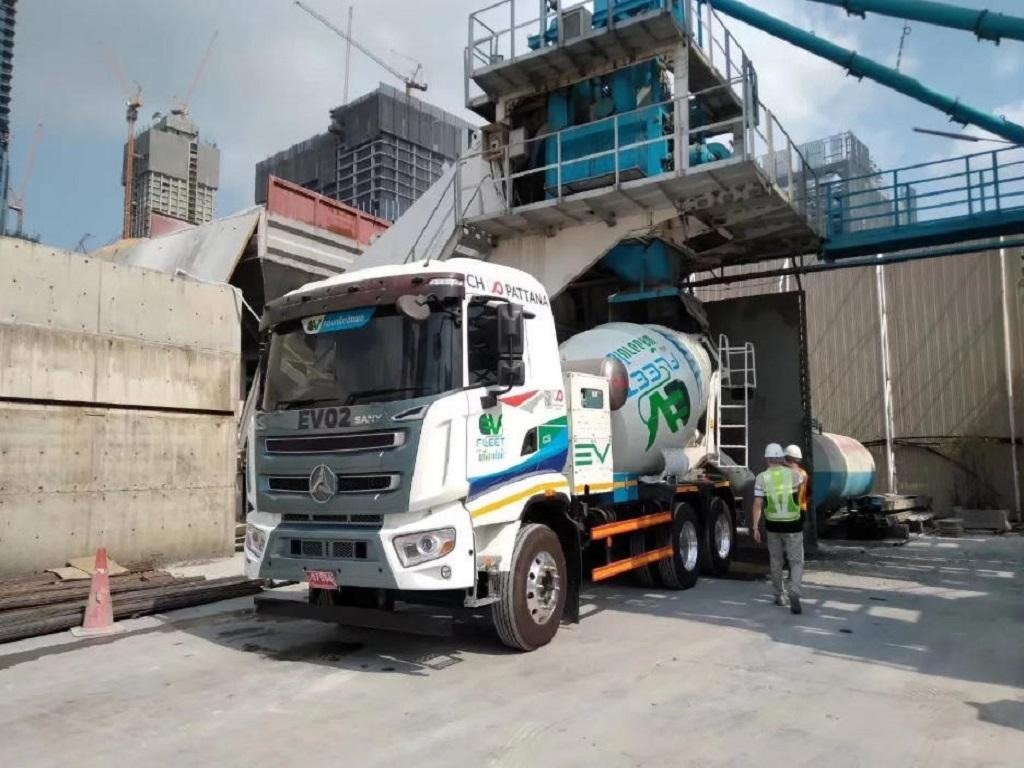
Cement mixer trucks keep concrete fresh by rotating the drum continuously during transport. This motion slows the setting process and protects the mix consistency until the truck reaches the site. However, concrete has a limited workable window before it begins to harden. Understanding this time limit, along with factors that influence it, helps crews plan deliveries and maintain high-quality concrete for every pour.
Understanding Concrete Setting Time in Transit
Typical Time Window Before Initial Setting Begins
Most concrete begins initial setting within 90 minutes after mixing, though this window can vary. Mixer trucks help slow the process, but the chemical reaction between cement and water continues from the moment batching starts. Contractors must plan deliveries within this timeframe to avoid delays. Exceeding the workable period can reduce strength, create handling challenges, and lead to wasted loads on busy job sites.
Effects of Continuous Drum Rotation on Freshness
Continuous drum rotation keeps the materials moving and prevents aggregates from settling. This motion maintains uniform distribution and slows down early hardening. While rotation cannot stop hydration, it delays stiffening enough to preserve workability. By adjusting rotation speed during transport, operators help maintain slump and minimise the risk of premature setting. This steady movement keeps concrete fresh until crews are ready to pour.
Factors That Influence Concrete Working Time
Concrete working time depends on several factors, including temperature, mix design, water content, and chemical additives. Hot weather accelerates hydration, while cooler temperatures slow it down. Dense mixes and low-slump concretes set faster than more fluid mixes. Travel distance, delays, and traffic also influence freshness. Understanding these factors helps teams plan schedules and choose the right mix for project demands.
Environmental and Material Factors Affecting Freshness
Impact of Temperature and Weather Conditions
High temperatures speed up chemical reactions, causing concrete to stiffen faster during transport. Strong sunlight or hot winds increase the rate of moisture loss. Cold weather slows hydration but can reduce early strength. Rain may dilute the mix if covers are not used. Weather conditions must be considered when planning deliveries to ensure the concrete stays workable upon arrival.
Role of Admixtures in Extending Workability
Retarding admixtures slow hydration and extend working time, making them useful for long-distance deliveries or hot climates. Water-reducing agents help maintain flow without weakening the mix. High-range superplasticisers improve workability for complex pours. These additives help mixer trucks keep concrete fresh for longer, reducing the risk of early setting. Choosing the right admixture supports both quality and scheduling flexibility.
Variations Caused by Mix Design and Slump Levels
Different mix designs affect how long concrete stays workable. Low-slump mixes stiffen faster, while higher-slump mixes remain fluid longer. Additional aggregates may reduce workability during transport. Special blends such as high-strength or fibre-reinforced concrete may also shorten the workable window. Understanding mix design helps crews plan transport time and adjust drum rotation to maintain consistency throughout the journey.
Operational Practices That Preserve Fresh Concrete
Adjusting Drum Speed to Maintain Proper Mixing
Operators adjust drum speed based on distance, load size, and slump requirements. Slow rotation prevents over-mixing during transit, while faster spinning before pouring helps refresh the mix. Proper drum speed maintains uniformity and prevents settling. Monitoring rotation throughout the trip helps keep concrete workable and reduces the risk of early stiffening, ensuring the load stays ready for immediate use on site.
Coordinating Delivery Schedules With Pour Timelines
Tight coordination between batching plants and job sites helps prevent delays that affect concrete freshness. Teams must plan delivery windows that match crew and equipment readiness. If trucks arrive too early, they may need extended rotation, which risks over-mixing. If they arrive late, the concrete may stiffen. Accurate scheduling ensures fresh, workable concrete reaches the site exactly when needed.
Avoiding Prolonged Delays and High-Traffic Routes
Traffic, road closures, and poor routing add unnecessary time to transport. Long delays increase the chance of concrete setting inside the drum. Drivers should use planned routes that avoid congestion and rough terrain. Dispatch teams must monitor conditions in real time to prevent slowdowns. Efficient routing helps maintain concrete quality, reduces risk of waste, and supports consistent on-site performance.
Ensuring Quality Upon Arrival at the Job Site
Inspecting Slump and Consistency Before Pouring
Upon arrival, crews must check the slump and overall consistency to ensure the concrete remains workable. This test confirms that the mix meets project specifications. If minor adjustments are allowed, small water additions or mixing adjustments may restore proper flow. Slump checks prevent poor-quality pours and help crews catch early signs of stiffening before the concrete becomes unsuitable for placement.
Using Agitation Mode to Keep Mix Ready for Use
Agitation mode rotates the drum slowly to keep the mix active without over-mixing it. This setting maintains workability while crews prepare the site. It prevents aggregates from settling and delays stiffening during short waiting periods. Agitation keeps the concrete consistent and supports smooth, controlled placement when pouring begins. Proper use of this mode ensures the mix stays fresh until application.
Identifying Signs of Premature Setting or Degradation
Signs of early setting include reduced flow, visible stiffening, and difficulty unloading the mix. Lumps or uneven texture indicate hydration has progressed too far. Harshness in the mix or increased resistance during rotation also suggests degradation. Identifying these signs early helps teams avoid defective pours. When concrete shows advanced setting, it should not be used, as it may compromise structural strength.
Conclusion
A cement mixer truck typically keeps concrete fresh for up to 90 minutes, but this depends on weather, mix design, and transport conditions. Continuous drum rotation and proper scheduling help preserve workability. By monitoring slump, adjusting drum speed, and choosing the right admixtures, crews maintain high-quality concrete throughout delivery. Good planning ensures the mix arrives fresh, ready for placement, and suitable for strong structural performance.
