
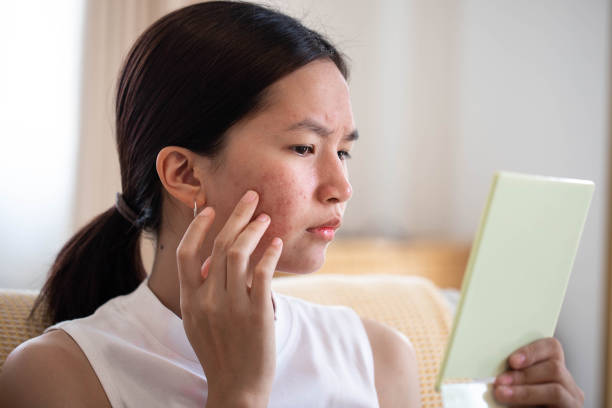
Hard water is something millions of UK households deal with every day, yet many people do not realise how much it can affect their skin, hair, comfort, and overall well-being. If your skin feels tight after showering, your hair looks dull no matter how many products you use, or you constantly battle limescale around the home, hard water could be the hidden cause.
In many parts of the UK, water naturally contains high levels of calcium and magnesium minerals. While these minerals are not dangerous to drink, they can create problems for your skin barrier, scalp health, household appliances, and even your daily comfort. Over time, mineral-rich water leaves behind residue that affects how soaps, shampoos, and cleansers work.
That is why more homeowners are exploring modern water softeners to improve water quality, reduce limescale buildup, and create a healthier home environment.
How Hard Water Affects Your Skin
This is how hard water impacts skin and overall health.
1. It Can Damage the Skin Barrier
Your skin barrier is the outer protective layer that keeps moisture in and irritants out. Hard water minerals can interfere with this natural barrier by leaving mineral residue and soap deposits on the skin.
A study from the National Institutes of Health suggests that hard water may increase transepidermal water loss, making skin feel dry, tight, itchy and irritated.
2. Soap and Cleansers Become Less Effective
Calcium and magnesium react with soaps and cleansers to form “soap scum.” Instead of rinsing away cleanly, this residue can stay on the skin surface. This may lead to:
- Clogged pores
- Skin irritation
- Rough texture
- Increased dryness
- Redness after showering
Many people spend money on moisturisers and skincare products without realising that their water quality may be contributing to the issue.
3. Sensitive Skin Conditions May Feel Worse
People with eczema, psoriasis, dermatitis, or reactive skin often notice symptoms become worse in hard water areas. Possible triggers include:
- Mineral buildup
- Alkaline water pH
- Residual surfactants from soaps
- Reduced skin hydration
According to the Journal of Investigative Dermatology, hard water combined with harsh cleansers may weaken the skin barrier further and increase irritation.
The Effects of Hard Water on Hair
Mineral Buildup on the Hair Shaft
Every time hair is washed in hard water, minerals can settle on the hair shaft. Over time, this creates buildup that blocks moisture absorption and affects hair texture. Common signs include:
- Dry hair
- Frizz
- Dull appearance
- Tangling
- Brittle strands
- Split ends
Research published in the Int J Trichology found that hard water exposure can reduce hair strength and increase surface roughness.
Why Shampoo Does Not Lather Properly
Hard water reduces shampoo efficiency because minerals react with cleansing ingredients. This often causes excess product usage, heavy-feeling hair, residue on the scalp, and difficulty rinsing products away.
Many people believe their shampoo is not working when the real issue is mineral-rich water.
Hard Water and Colour-Treated Hair
Hard water can be especially frustrating for people with coloured or chemically treated hair. Mineral deposits may fade colour faster, create brassiness, and reduce shine.
Hair professionals often recommend clarifying treatments and improved water filtration to reduce mineral buildup.
Everyday Wellness Problems Most People Ignore
Hard water affects more than appearance. It can also impact everyday comfort and household well-being.
Uncomfortable Showers
Many people describe hard water showers as leaving a sticky or filmy feeling on the skin. Instead of feeling refreshed, skin can feel dry moments after bathing.
Poor Laundry Quality
Hard water minerals reduce detergent performance and leave fabrics feeling rough. This often results in stiff towels, dull clothing, reduced fabric softness, and more detergent use.
Increased Cleaning Stress
Limescale buildup creates constant maintenance problems around the home. Affected areas include shower screens, bathroom tiles, taps and sinks, kettles, boilers, and pipework.
Ways to Reduce Hard Water Problems
Here are the following ways to reduce hard water problems.
Use Gentle Skincare Products
People with sensitive skin often benefit from:
- Fragrance-free cleansers
- Sulphate-free shampoos
- Barrier-support moisturisers
- Hydrating skincare products
Remove Mineral Buildup From Hair
Clarifying shampoos and occasional chelating treatments may help remove residue from hair strands and scalp.
Improve Water Quality at Home
Many UK households now use shower filters, whole-house filtration systems, and water softening systems.
Water softening systems work by reducing calcium and magnesium minerals before water reaches taps, showers, and appliances. Benefits include softer-feeling skin, shinier hair, reduced limescale, and better soap performance.
Final Thoughts
Hard water is often seen as a simple household inconvenience, but its effects can extend far beyond limescale stains and blocked kettles. From dry skin and scalp irritation to brittle hair and reduced appliance efficiency, mineral-rich water can influence many aspects of daily life. UtdPlug
