
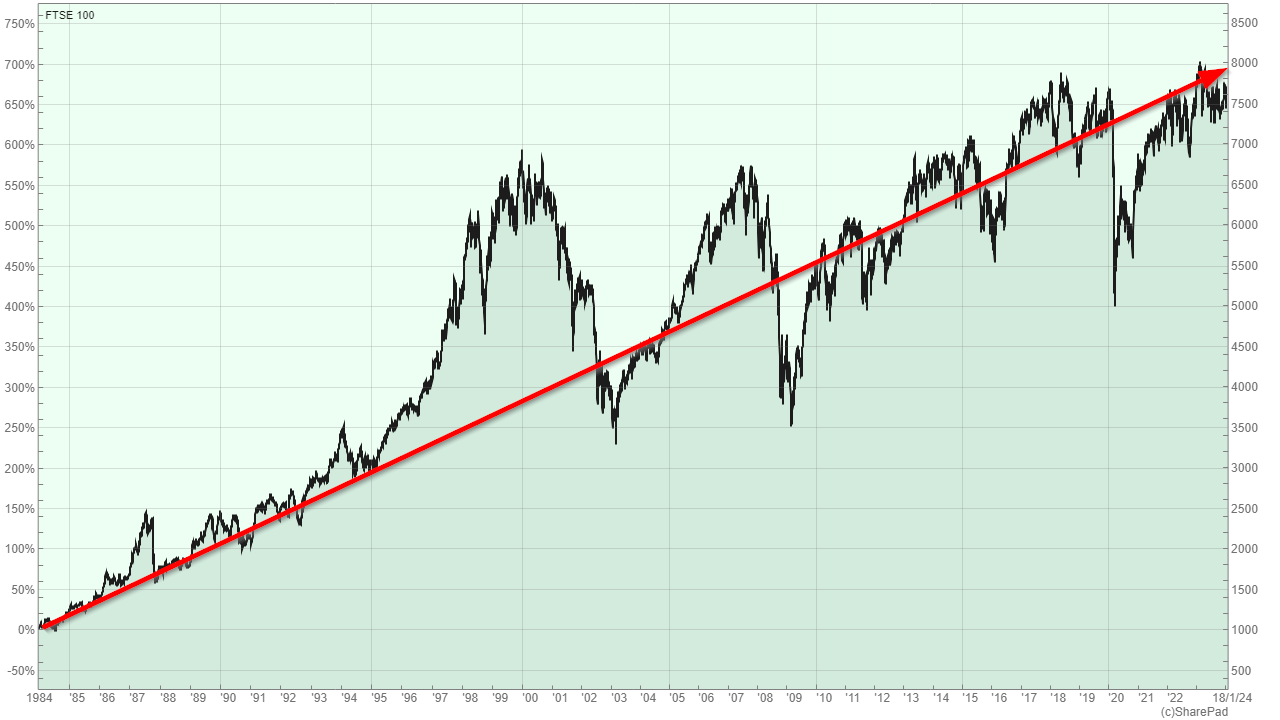
What Is the FTSE 100
The FTSE 100 is a list of the biggest companies in the United Kingdom that trade on the London Stock Exchange and represent major parts of the UK business world.
The FTSE 100 helps people understand how strong large UK companies are by showing daily price changes based on company value and market activity.
Why the FTSE 100 Is Important
The FTSE 100 is important because it shows how top UK companies perform during good and bad economic times, helping investors see market confidence and business growth.
Many people trust the FTSE 100 because it includes stable companies that have strong profits, long histories, and influence over jobs and trade.
How the FTSE 100 Is Calculated
The FTSE 100 is based on market value, meaning larger companies have more impact on index movement than smaller ones inside the list.
If a large FTSE 100 company’s share price rises, the whole index can move upward even if other companies stay the same.
Types of Companies in the FTSE 100
The FTSE 100 includes companies from many industries such as banking, energy, healthcare, food, and communication services.
These companies earn money both inside and outside the UK, which makes the FTSE 100 sensitive to global events and currency changes.
Main FTSE 100 Company Sectors
| Sector | What They Do |
| Banking | Provide loans and money services |
| Energy | Produce oil, gas, and power |
| Retail | Sell food and household goods |
| Healthcare | Make medicine and tools |
| Telecom | Offer phone and internet services |
How Companies Enter or Leave the FTSE 100
The FTSE 100 is reviewed four times each year to check company sizes and performance based on market value.
Companies that grow bigger may enter the FTSE 100, while companies that lose value may move out of the index.
FTSE 100 and the UK Economy
The FTSE 100 often reacts to UK news such as interest rates, inflation, and government plans that affect business spending.
When the UK economy is strong, the FTSE 100 usually rises because companies earn more and attract investors.
Global Effects on the FTSE 100
Many FTSE 100 companies earn money overseas, so global events can change index prices very quickly.
Oil prices, wars, trade rules, and currency changes can all move the FTSE 100 up or down within hours.
Who Watches the FTSE 100
Investors, banks, and news channels follow the FTSE 100 every day to understand market direction and investor confidence.
Beginners also watch the FTSE 100 because it gives a simple picture of how large UK companies are doing.
How People Invest in the FTSE 100
People do not buy the FTSE 100 directly, but they invest through funds that copy its movement and performance.
These funds allow people to spread money across many FTSE 100 companies instead of choosing just one stock.
Ways to Invest in the FTSE 100
| Method | How It Works |
| Index Funds | Follow FTSE 100 prices |
| ETFs | Traded like shares |
| Pensions | Long-term savings plans |
| Individual Stocks | Buy single companies |
Benefits of the FTSE 100
The FTSE 100 includes trusted companies that often pay dividends, which means investors can earn regular income.
It is easy to track and widely reported, making the FTSE 100 useful for learning about investing.
Risks of the FTSE 100
The FTSE 100 can fall during economic crises, global problems, or sudden market fear among investors.
Because it focuses on large companies, fast-growing small businesses are not included in the FTSE 100.
Future of the FTSE 100
The FTSE 100 may change as technology and green energy companies become more important in the UK economy.
Global trade and digital growth will continue to shape how the FTSE 100 looks in the future.
FAQs
1. What does FTSE 100 stand for
It stands for Financial Times Stock Exchange 100.
2. How many companies are in the FTSE 100
There are exactly 100 companies.
3. Does the FTSE 100 change daily
Yes, prices change on every trading day.
4. Can beginners invest in the FTSE 100
Yes, through funds or ETFs.
5. Is the FTSE 100 only UK companies
Most are UK-based but earn globally.
Conclusion
The FTSE 100 is one of the most important stock indexes in the UK and helps people understand how large companies perform each day.
Learning about the FTSE 100 makes investing easier and helps people follow the UK economy with confidence.
