
Excited about moving into your first student home?
New city. New flatmates. New house party opportunities.
But wait…
Before you book that trip to IKEA and start stocking up on Tennents cans there are a few things you should know.
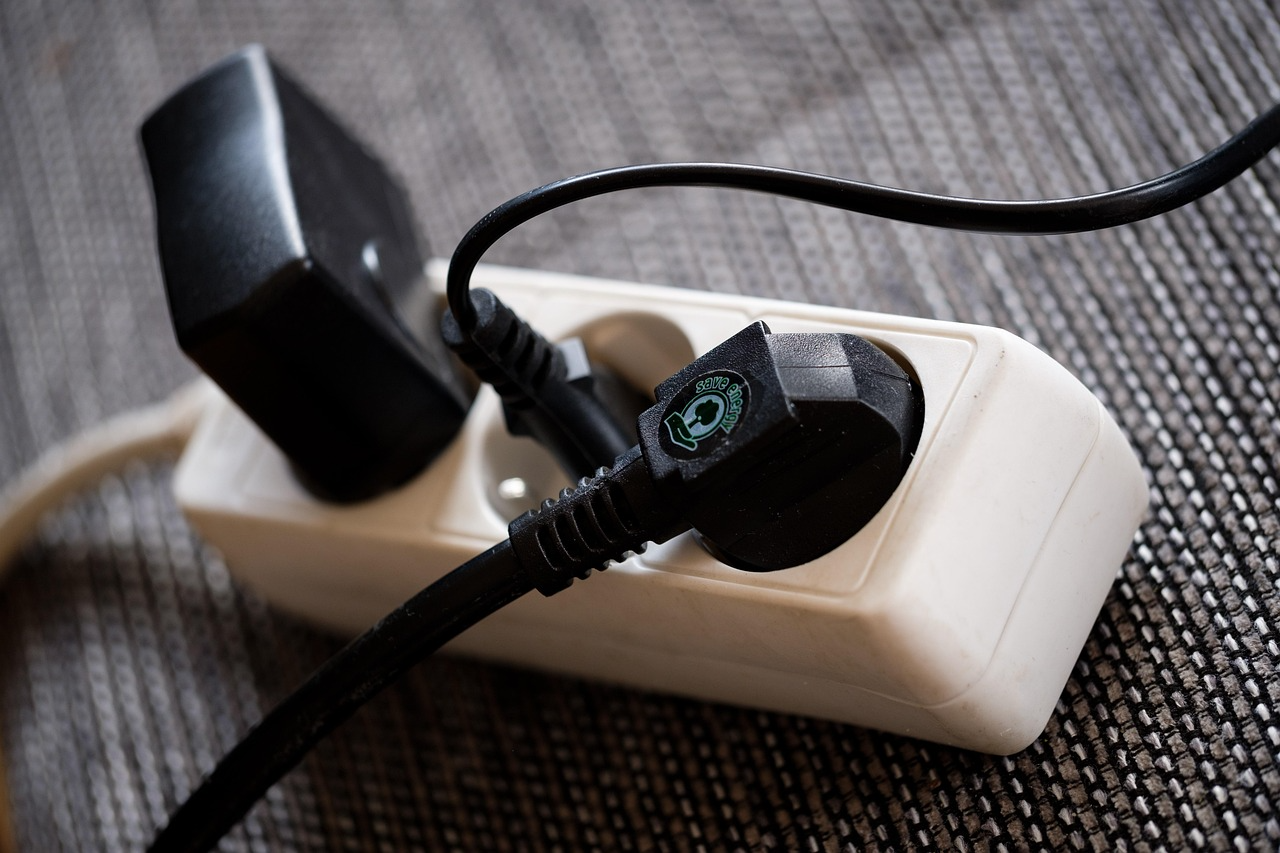
The property might LOOK clean. But that won’t stop electric sockets overloaded with extensions burning out overnight. It also won’t stop you dying in a gas explosion or being poisoned by carbon monoxide.
Here’s the truth… landlords aren’t always who they seem.
Your dream student house can quickly become a nightmare if you don’t do your research.
Which is exactly why this guide exists.
You’ll learn exactly what rental safety checks you should look for before signing your tenancy agreement.
You’ll also discover how to ask for them. Because that can be tricky too.
Let’s make sure your student house is as safe as it should be…
Contents
- Why Rental Safety Checks Are Important
- Electrical Installation Condition Report (EICR)
- Gas Safety Certificates Are Required
- Smoke and Carbon Monoxide Alarm Checks
- Requesting Copies Of Safety Certificates
Why Rental Safety Checks Are Important
Student houses come in all shapes and sizes.
Some landlords are angels. Others not so much.
Tenants rarely ask about rental safety checks. They assume their accommodation is safe because it looks clean and tidy.
Yeah… about that.
Dodgy electrics aren’t always visible to the naked eye. Gas leaks can go unnoticed. And to bring it home a little…
Statistics from Electrical Safety First show that accidental electric fires account for over 20,000 house fires across England every year.
Mind. Blown.
Student house fires aren’t always caused by reckless flatmates throwing bottles at Radiators either. Electrical malfunction due to lack of safety checks is a huge contributor.
If that doesn’t convince you then try this…
Students opting to live in private rented accommodation have a right to live in a safe property.
It’s as simple as that.
Electrical Installation Condition Report
Renting students often confuse this one.
See… an electrical installation condition report (otherwise known as an EICR) isn’t a warning. It’s proof.
Proof that all the electrical systems in your student house have been checked by a qualified electrician and declared safe.
Here’s the lowdown:
An EICR certifies that electrical sockets, fuse boxes, light fittings and all fixed wiring have been inspected for wear and tear, damage or electrical overload.
Any faults found are graded on a code system. Codes C1 and C2 highlight serious dangers that need urgent attention. If everything is OK the Electrical Installation Condition Report states that the installation is ‘SATISFACTORY’.
Okay, but do students really need one?
Yes. Absolutely.
By law every single private rented property in England must have an up-to-date Electrical Installation Condition Report.
Landlords are legally required to get their property’s electrics inspected every five years MINIMUM. They must also show tenants a copy of the report within 28 days of the safety check being completed.
If your landlord refuses to hand over their electric safety certificate get out now.
No professionally installed smoke alarm is worth risking your life over broken electrics.
Gas Safety Certificates Are Required
Renting students spare a thought for gas boilers too…
If the rental property you’re interested in has a gas appliance of any sort (boiler, hob or fire) your landlord is legally obligated to provide a gas safety certificate.
Gas safety certificates are slightly different to Electrical Installation Condition Reports.
They must be produced by a Gas Safe registered engineer AND be renewed every YEAR.
Gas engineers carry out a number of tests when conducting a rental property gas safety check. This includes checking pipework, appliances and flues for corrosion, leaks or blockages.
Gas leaks are dangerous. Gas Safe engineers will pay special attention to any risks of carbon monoxide entering the property.
But there’s one more thing students should know:
Tenants are entitled to receive a copy of the gas safety certificate BEFORE they move in.
Landlords have 28 days to produce the gas safety certificate after their annual check has been completed.
If your landlord can’t produce a current gas safety certificate. Move on.
The property isn’t safe. End of.
Smoke and Carbon Monoxide Alarms
Okay… this should be obvious.
But smoke alarms are often overlooked.
Every rental property should have at least one working smoke alarm on every floor. If there are solid fuel appliances such as coal fires or wood burners a carbon monoxide alarm is also needed.
Pretty simple.
Yeah… but here’s the thing.
Checking alarms work is something students forget to do. Seeing is trusting when you’re viewing houses and often alarms won’t get tested until you move in.
Don’t be afraid to press the test button. A flat sprayed full of smoke is a great way to find out who your flatmates are going to be.
Quick tip…
Carbon monoxide alarms have a lifespan. So ask when the batteries were last changed too. Smoke and CO alarms could be there. But that doesn’t mean they actually work.
Bottom line. If there’s no evidence of smoke alarms you won’t be lucky enough to live without them.
According to Home Office data almost 200 people die in house fires in England each year.
Working smoke alarms reduce that risk by half.
Just saying.
Requesting Copies Of Safety Documents
Asking for copies of safety certificates can be embarrassing for students.
Don’t be.
Your landlord has a legal responsibility to provide you with them. If they’re refusing… there’s a problem.
Ask to see the Electrical Installation Condition Report and Gas Safety Certificate before you exchange any paperwork.
Inquire when the last smoke alarm check took place too. If your landlord plays Whatsapp volleyball with you or snaps at your questions…
Look elsewhere.
Here’s the reality. Houses don’t like empty spaces. There will be another place out there with a safer culture than begrudging you your requests.
Final tips…
Always check the dates on the EICR and Gas Safety Certificates match the landlords claims. A valid EICR is dated within five years of issue. Gas Certificates are updated yearly.
Make sure your landlord shows you the actual documents. They can’t just email them to you.
Keep copies of these documents for when you leave. If the worst happens you’ll want proof of who knew what and when.
What If Your Landlord Won’t Provide Documents?
Some landlords will try and weasel their way out of it.
Truth is they can’t. And if they do not comply with rental safety checks they’re breaking the law.
If your landlord refuses to show you proof of Electrical and Gas safety:
Send them a letter reminding them of their legal responsibilities as a landlord. If they still don’t budge you can report them to the local council.
Landlords found guilty of not complying with electrical safety regulations by the council can be fined up to £30,000.
Gas safety breaches can also lead to landlords being prosecuted with criminal charges.
There are consequences to putting tenants at risk.
Don’t be scared to stand your ground.
Wrapping Up…
Student houses don’t have to be death traps.
But sometimes they are. Negligent landlords will continue to cut corners when it comes to rental safety checks.
Don’t be a victim to their irresponsibility.
Ask. Question. Test.
You have every right to live in a property that’s safe. If your landlord refuses to comply then there are people who will help.
Locate. Test. Repeat.
You only live once, but if you rent safely you’ll live longer.
