
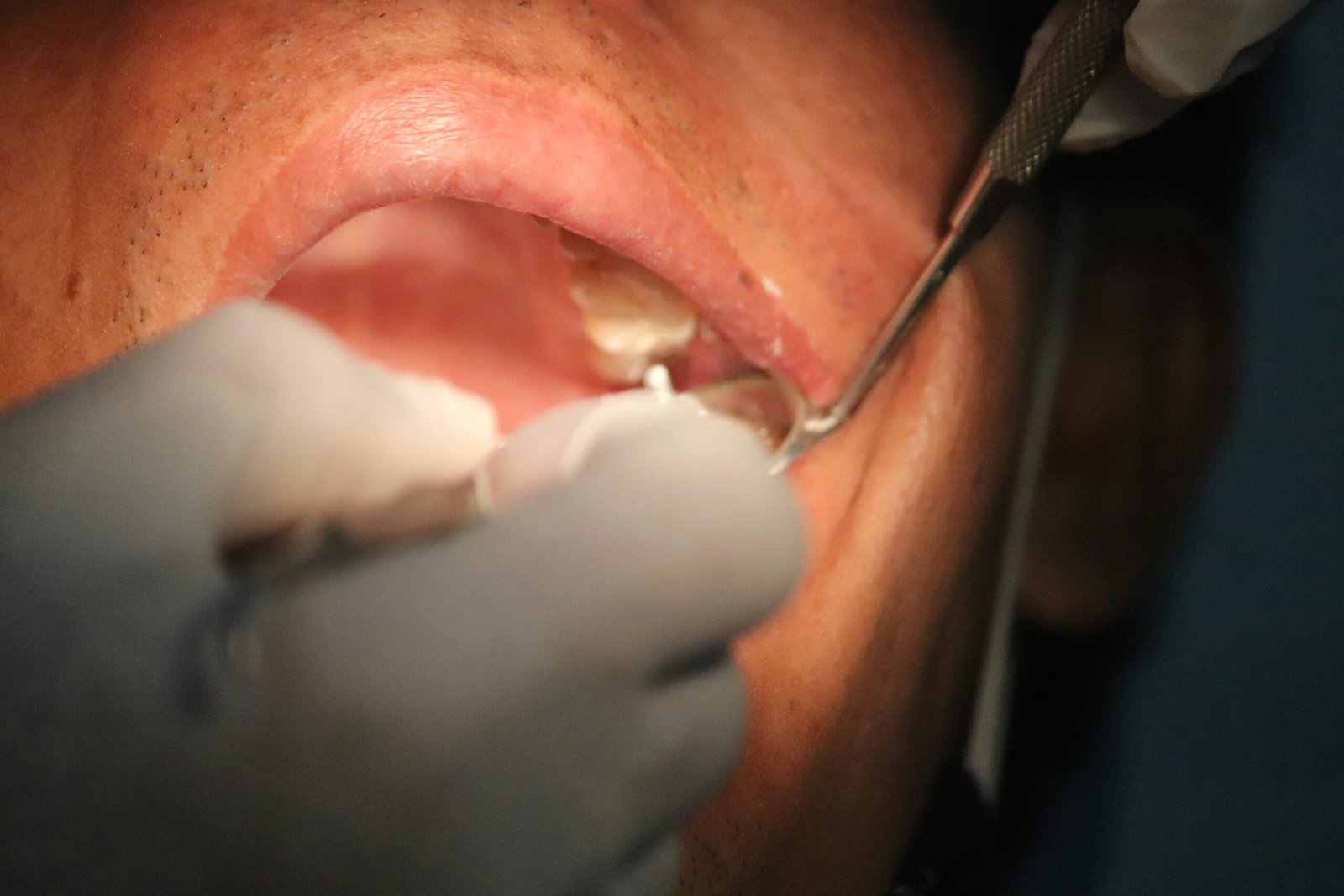
Yes, in many cases, it’s possible to have a tooth extracted and replaced with a dental implant in the same appointment—a procedure known as “immediate implant placement.” This approach offers several benefits, including reduced treatment time and the preservation of jawbone density. However, it’s not suitable for everyone. Factors such as the condition of the tooth, the health of the surrounding bone, and the presence of infection can influence whether this procedure is appropriate. Consulting with a qualified dental professional like Dentartistry is essential to determine the best course of action for your specific situation.
What Is Immediate Implant Placement?
Immediate implant placement involves extracting a damaged or decayed tooth and placing a dental implant into the same socket during the same visit. This technique is often referred to as “teeth in a day” or “same-day implants.” A temporary crown is typically placed on the implant to restore function and appearance while the site heals. After a few months, a permanent crown is fitted.
Benefits of Immediate Implant Placement
- Reduced Treatment Time: Combining extraction and implant placement into a single appointment reduces the number of visits required.
- Preservation of Jawbone: Placing the implant immediately after extraction helps maintain the natural contour of the jawbone, reducing the risk of bone loss.
- Immediate Aesthetics: A temporary crown can be placed immediately, providing an immediate improvement in appearance.
Considerations and Limitations
While immediate implant placement offers several advantages, it’s not suitable for every patient. Factors such as the presence of infection, insufficient bone density, or certain medical conditions may require alternative approaches. A thorough evaluation by a dental professional is necessary to determine if you’re a good candidate for this procedure.
Who Is a Suitable Candidate for Same-Day Tooth Replacement?
Not every patient is eligible for immediate implant placement. Ideal candidates are generally in good overall health, have sufficient bone density in the jaw, and do not have active infections at the extraction site. Smoking, uncontrolled diabetes, and certain medical conditions can impact healing and may make the procedure less predictable. Your dentist will conduct a thorough medical and dental assessment, including X-rays or 3D scans, to evaluate whether the implant can be securely placed immediately after extraction.
Risks and Considerations
While same-day tooth replacement offers many benefits, it also carries some risks. There is a slightly higher chance of implant failure compared with traditional delayed placement, particularly if the bone quality is insufficient or if there is infection at the extraction site. Temporary crowns must be carefully managed to avoid putting excessive pressure on the implant during the initial healing phase. In some cases, a delayed implant may still be the safest option to ensure long-term stability and success.
Benefits Beyond Convenience
Immediate implants not only reduce the number of dental visits, but they also help preserve the natural shape and density of the jawbone. When a tooth is extracted and left vacant, the surrounding bone can start to resorb, potentially affecting facial aesthetics and complicating future implant placement. By placing the implant immediately, the jawbone is stimulated, maintaining its natural contour and supporting a healthier long-term outcome.
Making the Decision
Ultimately, the decision to extract and replace a tooth in the same visit should be made in consultation with a qualified dental professional. They will evaluate your oral health, discuss alternatives, and ensure that your treatment plan provides the best balance between efficiency, aesthetics, and long-term success.
The Procedure: What to Expect
- Consultation and Planning: Your dentist will assess your oral health, including X-rays or 3D imaging, to plan the procedure.
- Extraction: The damaged or decayed tooth is carefully removed.
- Implant Placement: A dental implant is placed into the empty socket.
- Temporary Crown Placement: A temporary crown is fitted to restore function and appearance.
- Follow-Up Care: Regular check-ups are scheduled to monitor healing and plan for the permanent crown.
Post-Procedure Care and Recovery
After the procedure, it’s essential to follow your dentist’s aftercare instructions to ensure proper healing. This may include:
- Pain Management: Taking prescribed or over-the-counter pain relievers as directed.
- Dietary Restrictions: Avoiding hard or chewy foods that could disrupt the implant site.
- Oral Hygiene: Maintaining good oral hygiene while avoiding the implant site initially.
- Follow-Up Appointments: Attending scheduled check-ups to monitor healing and progress.
Cost Considerations
The cost of immediate implant placement can vary based on factors such as location, the complexity of the procedure, and whether it’s performed privately or through the NHS. In the UK, private dental extractions typically cost between £100 to £500, depending on the complexity of the case.It’s advisable to consult with your dental provider to obtain an accurate estimate tailored to your specific needs.
Conclusion
Immediate implant placement offers a convenient and effective solution for replacing a damaged or decayed tooth in a single visit. However, it’s essential to consult with a qualified dental professional to determine if this procedure is appropriate for your specific situation. By carefully considering the benefits, considerations, and costs, you can make an informed decision about your dental care.
