
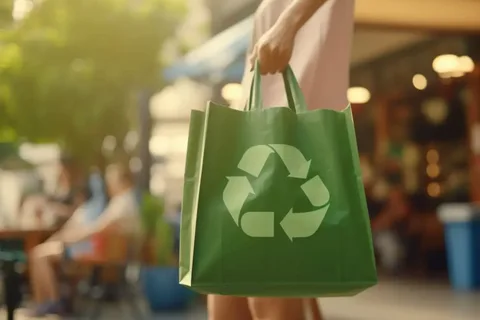
The focus on sustainable retail materials has never been more critical, especially with the increasing awareness about environmental conservation. One of the leading alternatives in the industry today is the Non woven bag. These bags are recognised not only for their durability but also for their environmentally friendly properties.
Understanding Non Woven Bags
Non woven bags are made from long fibres that are bonded together through chemical, mechanical, heat, or solvent processes. Unlike traditional woven bags, their manufacturing process does not require weaving or knitting. This unique production process results in a fabric that is lightweight yet strong and reusable, making it an excellent sustainable alternative.
The Environmental Benefits of Non Woven Bags
Using non woven bags significantly reduces the reliance on single-use plastics. These bags can be reused multiple times, thus decreasing the need for disposable bags and helping to lower plastic waste in the environment. Their recyclability further enhances their eco-friendly status, allowing companies and consumers to contribute to a circular economy.
Durability and Reusability
One of the main advantages of non woven bags is their durability. They can withstand heavier loads compared to conventional plastic bags, which often tear easily. This durability makes them ideal for retail use, as customers can trust in the bag’s strength and longevity.
Versatility in Design and Use
Non woven bags come in a variety of sizes, colours, and designs, catering to different branding needs. Companies can easily customise them to enhance brand visibility through printing logos and promotional messages directly onto the bag. This customisation fosters a sense of brand identity while promoting environmental responsibility.
Additionally, the design flexibility of non woven bags allows them to be used in various applications beyond retail. They are perfect for events, conferences, and exhibitions where attendees can use them to carry materials safely and sustainably.
Comparison with Other Sustainable Bags
While non woven bags offer significant advantages, other options like Calico bags and drawstring bags also play crucial roles in sustainable retail. Calico bags are known for their natural appearance and are highly biodegradable, whereas drawstring bags offer a versatile and stylish solution for carrying personal or promotional items.
Cost-Effectiveness
Despite the initial investment, non woven bags can be more cost-effective over time compared to single-use plastic bags. Their ability to be reused means that retailers can reduce the number of bags they purchase over time. This cost-effectiveness coupled with their marketing potential makes them a smart choice for businesses aiming to implement sustainable practices.
Resistance to Elements
Non woven bags are resistant to water, which makes them suitable for all weather conditions. This resistance further enhances their usability, making them a practical choice for customers who experience variable weather conditions. Additionally, this feature allows for the safe carrying of goods that may otherwise be affected by rain or spillages.
Contributing to a Positive Brand Image
By choosing non woven bags, businesses can enhance their brand image as environmentally conscious entities. Consumers are becoming increasingly aware of and concerned about the environmental impacts of their purchases. Providing sustainable packaging options can significantly influence their buying decisions and foster brand loyalty.
Conclusion: A Step Towards a Greener Future
The adoption of non woven bags in retail is not just a trend but a necessary step towards a sustainable future. With their durability, recyclability, and customisation options, they provide an effective solution for businesses looking to reduce their environmental footprint. By considering the impact of their packaging choices, companies like Claytons Australia are leading the way in promoting sustainable retail practices. UtdPlug
