
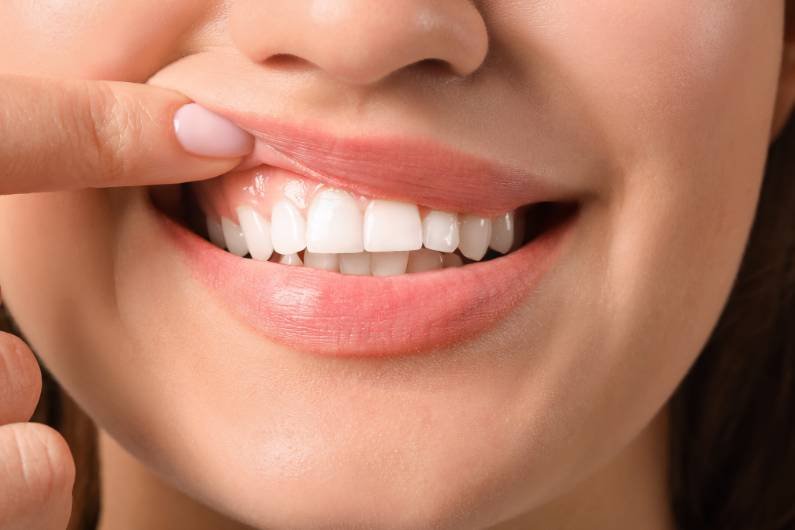
Looking after your teeth and gums is something most of us are told to do from a young age. But as the years pass and life becomes busy, it is easy to forget just how important daily oral care really is. Protecting your smile is not simply about appearances. It plays a vital role in your long-term health, comfort, confidence, and quality of life. Strong teeth and healthy gums can help you eat well, speak clearly, and avoid painful and costly dental problems in the future.
This guide explains why maintaining your teeth and gums is essential, what daily habits make the biggest difference, and how professional dental care supports lifelong oral health.
The Link Between Teeth, Gums and General Health
Your mouth is the gateway to your body. What happens to your teeth and gums affects more than just your smile. Poor oral hygiene allows bacteria to build up, which can lead to gum disease and infection. When left untreated, bacteria can enter the bloodstream and affect other parts of the body.
Research has shown connections between gum disease and conditions such as diabetes and heart disease. While oral health is only part of the picture, keeping your teeth clean and your gums healthy may support wider wellbeing. The NHS offers guidance on the importance of oral hygiene and the role it plays in preventing gum disease, decay and future dental problems.
Preventing Tooth Decay Before It Starts
Tooth decay remains one of the most common oral health issues. Decay happens when bacteria in the mouth feed on sugars and produce acids that slowly erode the enamel. Without regular brushing and cleaning between teeth, plaque forms and hardens into tartar, which increases the speed at which enamel breaks down.
Early decay may not cause pain or sensitivity, which means many people do not notice there is a problem. By the time discomfort starts, a cavity may be present, and treatment such as a filling may be needed.
Brushing twice a day with fluoride toothpaste protects enamel and removes plaque, giving your teeth the chance to stay strong. Avoiding sugary snacks, especially between meals, further reduces the risk of decay.
Gum Health Matters Just as Much as Teeth
Gums are often overlooked, but they are just as important as the teeth they support. Gum disease usually begins with gingivitis, which causes gums to swell and bleed when brushing. This early stage is easy to miss or ignore, but it is also the easiest to treat.
If gum inflammation is not addressed, gingivitis can develop into periodontitis. This more advanced condition affects the bone that holds teeth in place. Over time, teeth may become loose and may eventually fall out or require removal.
Regular brushing, interdental cleaning, and professional hygiene appointments help prevent gum disease from progressing. Daily care keeps harmful bacteria under control and supports a healthy foundation for your smile.
Fresh Breath and Everyday Confidence
Bad breath can have many causes, but in most cases, bacteria in the mouth are responsible. When plaque builds up, food particles can become trapped and start to smell. Gum disease is also a common cause of persistent bad breath.
Looking after your teeth and gums reduces bad breath and helps your mouth feel fresher throughout the day. For many people, this boost in confidence is one of the most noticeable benefits of improved oral care.
Supporting Comfortable Eating and Speaking
Strong teeth and healthy gums allow you to eat a wide range of foods without discomfort. When decay or gum problems develop, chewing can become painful. Over time, this may lead to avoiding certain foods, which can affect nutrition and general health.
Speech can also be affected by missing teeth or loose dentures. Looking after your oral health helps preserve your natural teeth for as long as possible, making daily activities easier and more enjoyable.
Routine Dental Visits for Prevention
Even with excellent brushing and flossing habits, some areas of the mouth are difficult to clean thoroughly. This is why attending your routine dental check-ups at Thornley Park Dental matter. Their routine dental examination allows small problems to be picked up early, often before symptoms appear. A simple clean or early treatment can prevent a more serious issue later. Specialist hygienist visits, scaling and polishing remove plaque and tartar that home brushing cannot.
Many people are surprised to learn that regular check-ups reduce dental costs over time, because prevention is almost always cheaper than repair. Maintaining a regular schedule keeps you in control of your oral health.
Daily Habits That Protect Teeth and Gums
Good oral care is based on simple daily habits. These include:
Brushing twice a day using fluoride toothpaste
Cleaning between teeth with floss, interdental brushes or water flossers
Limiting sugary snacks and drinks
Rinsing with fluoride mouthwash if recommended
Replacing toothbrushes every three months
Avoiding smoking, which is strongly linked to gum disease and oral cancers
Consistency makes the difference. Small actions, repeated every day, provide long-lasting protection.
Diet and Oral Health
What you eat affects your teeth as much as how you clean them. Sugars and acidic drinks weaken enamel, while soft foods and sticky snacks cling to tooth surfaces.
A balanced diet, including dairy products, vegetables, nuts and whole grains, helps support strong enamel and healthy gums. Drinking water throughout the day keeps the mouth moist and helps wash away food particles.
Over time, diet plays a major role in maintaining a bright and healthy smile.
Teeth Whitening Starts with Healthy Teeth
Many people are interested in whitening treatments, but the secret to a bright smile begins with strong oral health. Clean enamel and healthy gums reflect light better and naturally look brighter.
Professional whitening is most effective when applied to healthy teeth that are free from plaque. Taking care of your mouth every day improves both health and appearance, showing that beauty and function go hand in hand.
Looking After Your Smile Through Life
Oral care needs may change as you age. Children need help developing good brushing habits. Teenagers may require advice on orthodontics and diet. Adults focus on decay prevention, gum care and stress-related grinding. Older adults often rely on hygiene care to maintain gums and support crowns, bridges or dentures.
No matter the age, caring for your mouth remains essential. Oral health influences daily comfort and long-term wellbeing.
Final Thoughts
Caring for your teeth and gums is not just a routine task. It is an investment in your future health, confidence and comfort. By brushing twice a day, cleaning between teeth, attending regular dental appointments and making mindful choices about diet and lifestyle, you can protect your smile for years to come.
Healthy teeth and gums allow you to eat, speak and smile with confidence. With the right habits in place, you reduce the risk of decay, gum disease and unnecessary dental work. Maintaining strong oral health today supports a bright, healthy smile long into the future, allowing you to live life fully and comfortably with the confidence that comes from knowing your mouth is well cared for. UtdPlug
