
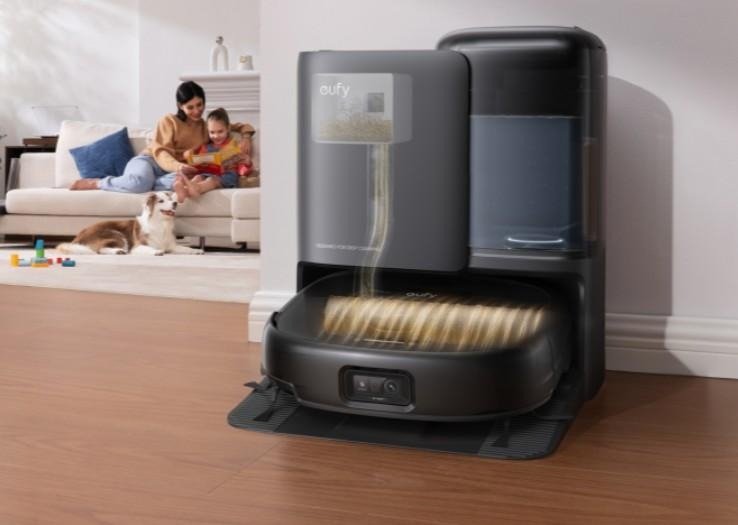
One of the most appealing aspects of robot vacuums is their ability to provide a totally hands-free clean. These gadgets are meant to work independently, which saves you time and effort. With the appropriate characteristics, robot vacuums can explore your home, clean your floors, and return to their charging station without the need for human intervention. These vacuums have transformed the way we clean our homes, with automated cleaning schedules, smart navigation, and little upkeep. In this post, we’ll look at the major characteristics and technology that make a robot vacuum an effective hands-free cleaning option.
Key Features for Hands-free Operation
Automated Cleaning Schedules
A hands-free robot vacuum’s automated cleaning schedules are one of its best features. These vacuums eliminate the need for manual involvement by cleaning while you’re asleep or away by allowing you to program it to start and stop cleaning at particular times. Whether you want it to run every day, every week, or at specific times of the day, the majority of models let you adjust the schedule. With this function, you won’t have to remember to turn on the vacuum every time, ensuring that your floors are always clean. Automated cleaning provides simplicity and dependability while eliminating the headache associated with household maintenance.
Smart Navigation and Mapping
Smart navigation and mapping technologies are critical to ensure that your robot vacuum can run hands-free. These methods enable the vacuum to map out your home’s layout, guaranteeing that it cleans every area without missing any. Many models produce comprehensive maps with sensors, lidar, or cameras, and then change their cleaning pathways accordingly. This technology also enables the vacuum to learn and adapt its cleaning pattern for improved coverage. Smart navigation guarantees that the vacuum does not become stuck or continually clean the same area, allowing it to perform its duty more efficiently and thoroughly while needing less human participation.
Self-Charging and Battery Management
Self-charging is another important characteristic of a hands-free robot vacuum. When the battery becomes low, the vacuum will automatically return to its charging station to recharge without your intervention. When completely charged, it begins cleaning from where it left off, resulting in a comprehensive and uninterrupted cleaning session. This battery management technology eliminates the need for regular monitoring and charging, providing a fully hands-free experience. A well-designed self-charging capability is critical for sustaining efficiency, especially in bigger houses where the vacuum must clean numerous rooms without operator intervention to recharge.
Self-Cleaning Brushes and Filters
A totally hands-free robot vacuum benefits from self-cleaning brushes and filters, which require no maintenance. These enhancements serve to guarantee that the vacuum continues to work at its peak without requiring frequent manual intervention. Self-cleaning brushes automatically remove tangled hair and debris, avoiding blockages that might diminish suction power. This removes the need to physically clean the brushes after every usage. Similarly, self-cleaning filters guarantee that dirt and dust do not collect in the filter, allowing for adequate airflow. By reducing maintenance needs, these elements contribute to a simple, consistent cleaning experience, enabling you to spend less time controlling the vacuum and more time enjoying your clean house.
Sensor Technology and Obstacle Avoidance
Collision Sensors and Navigation Systems
Collision sensors are needed for hands-free operation of a robot vacuum. These sensors identify obstructions in the vacuum’s path, such as furniture, walls, or things on the ground. When an obstruction is spotted, the robot vacuum adjusts its path to avoid collisions, ensuring that it does not become trapped or cause damage. The navigation system works in conjunction with these sensors, allowing the vacuum to maneuver around furniture and through doorways while cleaning efficiently without the need for manual direction. Robot vacuums can clean a whole home independently with minimum human involvement, giving users peace of mind.
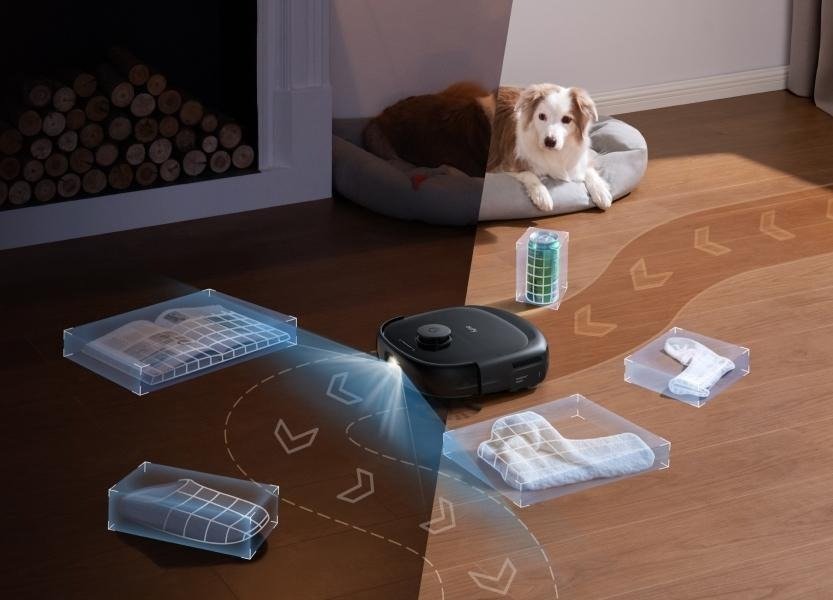
Edge Cleaning and Avoiding Drop-offs
Edge cleaning and drop-off avoidance are essential characteristics of hands-free robot vacuums. These vacuums include sensors that detect walls and edges, allowing them to clean baseboards and corners that ordinary vacuums sometimes miss. In addition, drop-off sensors keep the vacuum from tumbling down stairs or ledges, assuring safe travel throughout your home. These characteristics allow the robot vacuum to clean in tight places and multi-level houses without your supervision. Robot vacuums can clean safely and completely in even the most demanding areas thanks to edge cleaning and drop-off prevention.
Pet Detection and Specialized Features
Pet owners may enjoy a hands-free cleaning experience with robot vacuums that identify pets and have customized capabilities. These vacuums include improved suction and specific brushes that are especially efficient at removing pet hair from carpets and hard surfaces. Some versions incorporate sensors that detect pet hair and alter the suction force to improve outcomes. Many vacuum cleaners also contain filters that collect allergens and dust mites, which improves air quality in pet-friendly homes. These pet-friendly characteristics enable the robot vacuum to clean more effectively, providing a low-maintenance alternative for pet owners.
Conclusion
A fully hands-free robot vacuum cleaner combines automation, intelligent navigation, and low maintenance to revolutionize the way we clean our homes. Automated cleaning schedules, smart navigation, self-charging, and pet recognition allow these vacuums to run autonomously, saving you time and effort. Robot vacuums are becoming more handy and efficient cleaning solutions as technology advances, with features such as self-cleaning brushes and longer battery life. Robot vacuums make cleaning easier and more effective than ever before by eliminating the need for personal intervention and providing constant performance, making them an indispensable tool in modern households.
