
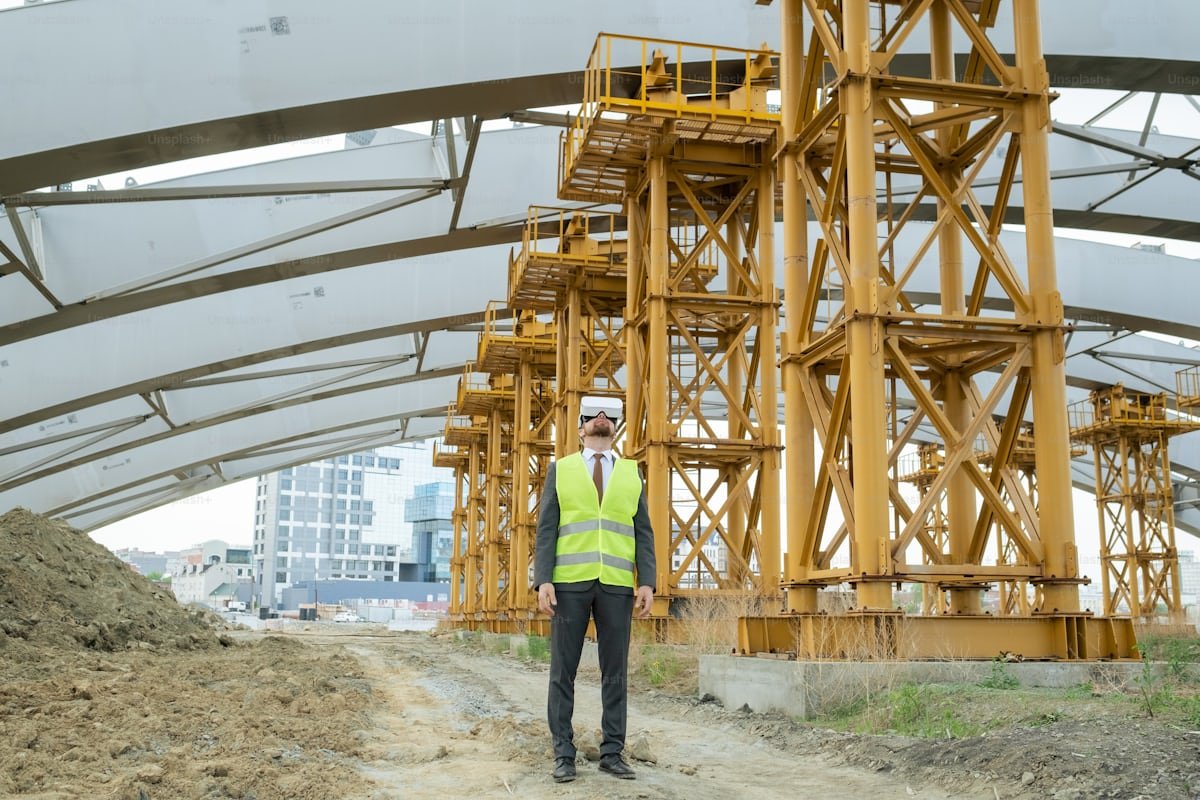
In the realm of modern construction, the utilisation of engineered steel represents a transformative advancement. As infrastructure demands increase globally, the construction industry seeks solutions that offer enhanced durability, sustainability, and design flexibility. Engineered steel, with its numerous desirable properties, is increasingly becoming a material of choice among architects and builders.
From skyscrapers to residential homes, engineered steel is pivotal in creating robust structures. Its high strength-to-weight ratio, coupled with corrosion resistance, means that buildings can achieve greater heights and more expansive spans without compromising on safety or aesthetics. This makes engineered steel not only a practical choice but also an innovative one.
The Advantages of Engineered Steel
One of the most significant benefits of engineered steel is its unmatched versatility. It can be pre-fabricated into various shapes and sizes, allowing for diverse architectural designs. This adaptability is crucial in contemporary architecture, where unique and complex designs are becoming commonplace.
Moreover, engineered steel contributes significantly to sustainability in construction. Steel is one of the most recycled materials in the world, and its recyclability reduces the demand for raw materials, minimising environmental impact. Additionally, buildings constructed with engineered steel can often be deconstructed and repurposed, further enhancing sustainability efforts.
Economic Benefits and Cost Efficiency
The production and utilisation of engineered steel also yield economic benefits. The preciseness with which engineered steel structures can be manufactured reduces wastage and optimises the construction process. This level of efficiency often results in cost savings for both builders and clients.
Furthermore, the long lifespan of steel components reduces maintenance costs over time. Structures built with engineered steel require less frequent repairs, thereby lowering the total cost of ownership and making engineered steel an economically attractive option for long-term investments.
Safety and Reliability in Construction
Safety is paramount in construction, and engineered steel delivers on this front. Its robustness and resilience against natural forces such as earthquakes and heavy winds have made it a preferred choice in areas prone to such challenges. The material’s performance under stress ensures that structures remain safe for inhabitants even in adverse conditions.
Additionally, engineered steel components undergo rigorous quality control during manufacturing, ensuring that high standards are consistently met. This reliability translates to greater peace of mind for both developers and end-users of buildings made from engineered steel.
Technological Advances and Future Prospects
Continuous research and technological advances are further unlocking the potential of engineered steel. Innovations in metallurgical processes have led to the development of high-performance steel variants with enhanced properties. These advancements are expected to increase the applicability of engineered steel in diverse construction projects.
The ongoing integration of digital technologies such as Building Information Modelling (BIM) and automation in steel fabrication is also transforming construction methodologies. These technologies allow for more efficient project planning and resource management, leading to faster and more accurate construction processes.
Challenges and Considerations
Despite its advantages, the use of engineered steel in construction is not without challenges. Initial costs can be higher than traditional materials, which may deter some builders. However, the long-term benefits often outweigh the upfront investment.
There is also a need for skilled labour and advanced machinery for the precise handling and installation of engineered steel components. Training and development in these areas are essential for harnessing the full potential of engineered steel in the construction industry.
Conclusion
In conclusion, engineered steel represents a crucial element in the evolution of modern construction practices. Its unique properties offer a range of benefits, from ecological sustainability to economic efficiency and safety. As the construction sector continues to innovate and strive for excellence, engineered steel is set to play a vital role in shaping the skylines of the future.
