
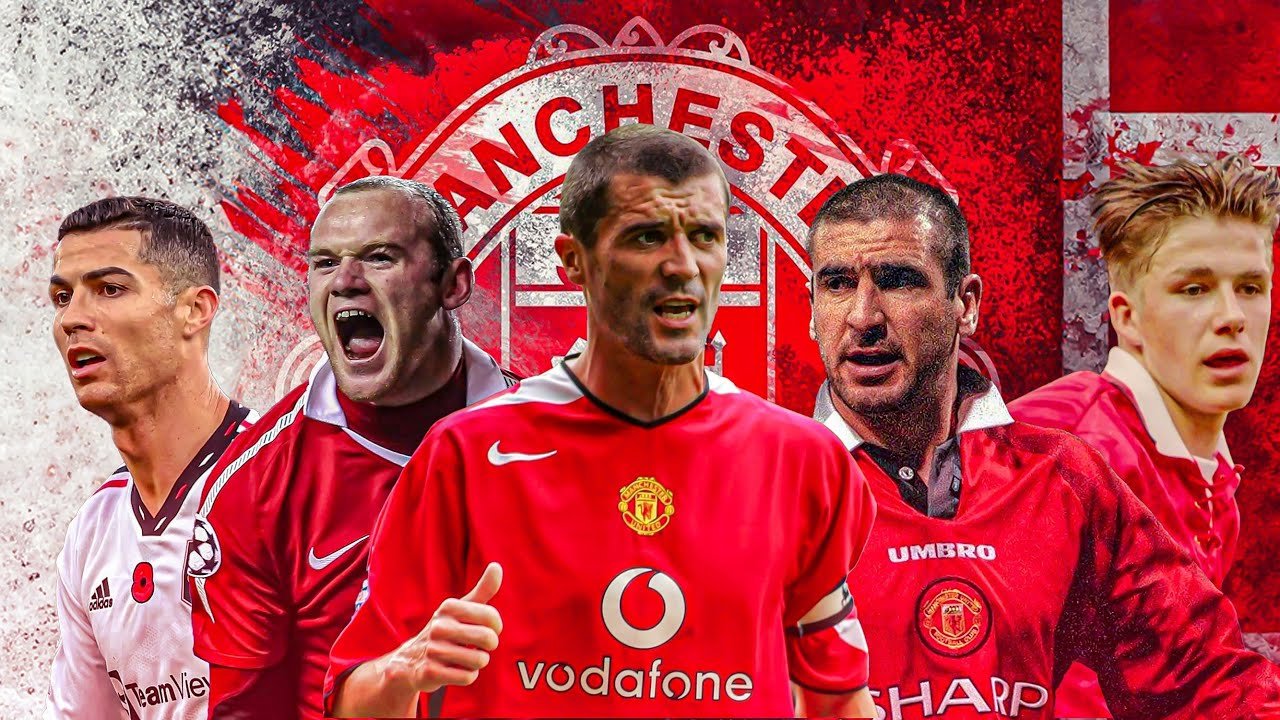
Manchester United has always been shaped by individuals who left strong marks on supporters. Their goals, decisions, and moments of magic turned simple digits on their backs into symbols which were still recognizable by fans. As time has passed, certain numbers started to gain clear associations because of the people who have worn them and the way they played.
Online casino Spinmama operates as a typical gambling platform with slot titles, table games, and live-dealer rooms. Users can create accounts, choose payment options, and go through the interface with simple menus. The site includes basic tools such as balance tracking, session limits, and verification steps used to confirm identity and secure account details. It is structured in accordance with the usual layout of digital casino services: clear navigation and familiar game categories to make users easily manage their activity.
The article looks at players who shaped the identity of their numbers and explains how each digit became tied to specific qualities on the pitch.
George Best – Number 7
George Best never played in any sort of strict squad numbering, yet still managed to identify himself strongly with the number 7. Fans remember how smoothly he would shift with the ball and how he changed a match’s pace with quick touches. His presence in that shirt made the digit stand out, and many fans grew to connect 7 with sharp attacking play because of him.
Eric Cantona – Number 7
Eric Cantona gave number 7 a different kind of presence. He controlled the ball with confidence, making fast decisions that shifted the rhythm of matches. Many supporters remember just how much he’d guide attacks through simple movements and smart positioning. His time at the club strengthened the idea that number 7 belongs to a player who plays with authority and clear intent.
David Beckham – Number 7
David Beckham reached number 7 not through dribbling but through precision and discipline. His set pieces, long passes, and crosses defined his contribution. The supporters often imagine him delivering a ball from the right side of the pitch with that number on his back. Through consistency and careful execution, he gave the digit an identity built clearly on precision.
Bryan Robson – Numbers 7 and 16
Bryan Robson started in number 7 and later moved to number 16. Both digits became part of how fans remember him, as he managed to play with strength, constant movement, and a readiness to take responsibility in difficult situations. Supporters connect both numbers with his leadership and direct involvement in the centre of the pitch.
Roy Keane – Number 16
Roy Keane turned number 16 into a mark of intensity in midfield. He pressed hard, won the ball in key areas, and kept the team organised. Supporters still remember how he controlled central spaces and pushed the team forward through decisive actions. His work made number 16 strongly associated with strict discipline and central control.
Paul Scholes – Number 18
Paul Scholes wore number 18 throughout his career, and he shaped its meaning through clean passing, smart positioning, and accurate shooting. Another thing fans tend to talk a lot about is his timing and quick combinations in midfield. Because of the approach he enacted on the field, number 18 became related to calm, structured involvement in build-up play.
Ryan Giggs – Number 11
For over twenty years, Ryan Giggs has remained in number 11. Early in his career, he used speed and close control on the left side; later, he moved into more central roles and supported the team with short passes and steady movement. The extremely long span of his career helped number 11 gain a connection to consistency and adaptation over time.
Cristiano Ronaldo – Number 7
Cristiano Ronaldo adopted number 7 when he was young and, over time, extended what was expected from it. His dribbling, powerful strike, and strong wide play made the digit stand out once again. The supporters remember his rapid growth and ability to influence matches through direct attacking plays. His return to the club furthered the connection that there is between 7 and highly energetic forward play.
Wayne Rooney – Number 10
Wayne Rooney wore the number 10 while deployed in many different roles across the attack, scoring, creating, pressing defenders, working in deeper areas when necessary. It is because of his years in that role that supporters now associate the number 10 with a broad and hands-on type of attacking involvement.
Nemanja Vidić – Number 15
Nemanja Vidić gave number 15 its identity through strong, confident defending. He won aerial duels, tracked forwards closely, and handled physical battles with precision. Supporters recall his commitment in key matches and the stability he brought to the back line. Number 15 grew into a symbol of firm defensive work thanks to his consistent performances.
Shirt Number Associations
| Player | Number | Association |
| George Best | 7 | Creative attacking play |
| Eric Cantona | 7 | Confident forward influence |
| David Beckham | 7 | Accurate wide play and set pieces |
| Bryan Robson | 7 / 16 | Strong midfield involvement |
| Roy Keane | 16 | Controlled central play |
| Paul Scholes | 18 | Clean passing and timing |
| Ryan Giggs | 11 | Longevity and adaptation |
| Cristiano Ronaldo | 7 | Athletic attacking threat |
| Wayne Rooney | 10 | Broad attacking role |
| Nemanja Vidić | 15 | Strong defensive presence |
Wayne Rooney 10 Broad attacking role Nemanja Vidić 15 – Strong defensive presence Final Observations Numbers take on meaning when the players fill them with recognisable traits. Number 7 reflects decades of expressive attacking football. Numbers 16 and 18 have powerful connections to midfield work, while numbers 10 and 11 demonstrate how long-term involvement and diverse roles can mould the identity of a shirt. Number 15 owes its place to firm defensive play. Supporters continue to link those digits with the players who once wore them, and those associations influence expectations for anyone taking on the same numbers in the future. UtdPlug
