
For car enthusiasts and owners alike, achieving that impeccable showroom shine represents the pinnacle of automotive care and maintenance. One of the most effective ways to attain and maintain this glistening appeal is through a thorough car cut and polish process.
Understanding the Car Cut and Polish Process
The car cut and polish process involves two major steps: cutting and polishing. Cutting refers to the removal of the top layer of paint or clear coat to eliminate surface imperfections such as scratches, oxidation, and swirls. Polishing, on the other hand, refines the surface to enhance its gloss and depth, resulting in a mirror-like finish.
Benefits of a Car Cut and Polish
Opting for a car cut and polish can substantially improve your vehicle’s appearance. Aside from rejuvenating the paintwork, it can increase the car’s resale value while also providing protection against environmental elements. It further helps in concealing minor scratches and blemishes, contributing to an overall more presentable vehicle.
Tools and Products Needed
A successful cut and polish require specific tools and products. Primarily, one would require a dual-action polisher, cutting pads, polishing pads, a selection of cutting and polishing compounds, and microfiber towels. These are essential for both the cutting and polishing phases to ensure the best results.
Dual-Action Polisher
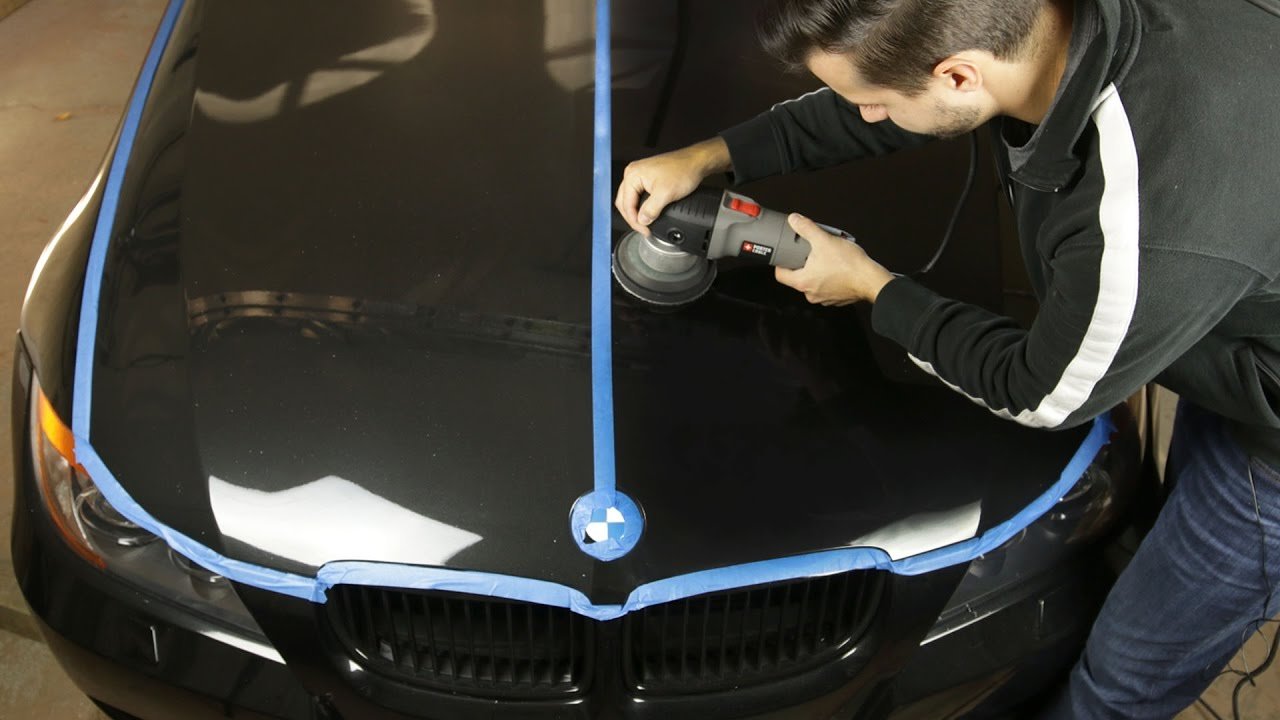
A dual-action polisher is favoured for its safety and ease of use. Its mechanism provides oscillation and rotation movements that prevent heat build-up, reducing the risk of paint burn-through.
Cutting and Polishing Compounds
These compounds range from heavy to light abrasives. The selection depends on the severity of the surface defects. Heavy compounds are used for deep scratches and severe oxidation, while less abrasive products are suitable for minor imperfections.
Step-by-Step Guide
To achieve optimal results with a car cut and polish, follow this systematic approach:
Preparation
Start by washing and drying the vehicle thoroughly to remove any surface dirt.
Cutting
Using the dual-action polisher, apply the cutting compound to the affected areas. Work section-by-section, ensuring that the compound breaks down completely for effectiveness.
Polishing
Switch to a polishing pad and apply the polishing compound. This step enhances the gloss and depth of the paint.
Final Inspection
Once the process is complete, inspect the vehicle under bright light to ensure that all imperfections have been addressed.
Maintaining the Showroom Shine
After achieving the desired polish, it is essential to maintain the finish with regular washing and the application of protective wax or sealant. This helps preserve the paint’s integrity and prolongs the effects of the cut and polish.
Professional vs. DIY Cut and Polish
While some car owners may prefer to undertake the cut and polish themselves, hiring professionals may offer superior outcomes. Professional detailers possess expertise and equipment that may exceed what is accessible to regular consumers, ensuring the highest quality of care.
Common Mistakes to Avoid
Avoid common pitfalls such as using too much pressure during cutting, skipping essential cleaning phases, or employing the wrong compounds for the task at hand. These mistakes can lead to unsatisfactory results or even damage the vehicle’s paint.
Conclusion
Car cut and polish services serve as a critical element in car maintenance, providing both aesthetic and protective benefits. Whether done professionally or by oneself, adhering to a meticulous process can ensure that the vehicle continues to shine with a showroom-quality finish. UtdPlug
