
Industrial settings are usually sealed for insulation, which is excellent for energy efficiency. However, it often results in trapped humidity and poor air circulation. High humidity can have negative effects such as discomfort, health problems, and even property damage.
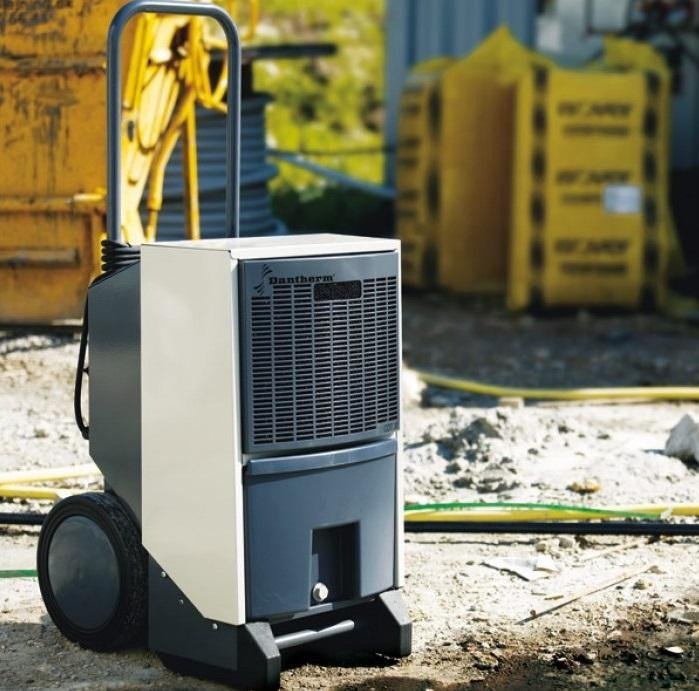
Investing in a dehumidifier can help you manage humidity effectively. It leads to a healthier and more comfortable space for workers handling different industrial operations. This appliance is more than just a moisture-reduction tool. Heavy-duty options, such as the Dantherm CDT 60 MKIII, can reverse the signs of water damage and improve air quality in an industrial setting. It will protect your workspace’s structural integrity and reduce energy consumption.
Apart from that, it offers various other benefits which make it mandatory for every industry. Let’s explore them to understand the role of dehumidifiers in industrial settings.
Benefits of Having a Dehumidifier in Industries
Improved Comfort and Safety
Excess moisture can create an uncomfortable and unsafe environment for your employees. High humidity can make workspaces feel warmer than they are. It will lead to fatigue and decreased productivity. Moreover, excess moisture can create slippery surfaces and increase the risk of accidents.
Dehumidifiers help manage the moisture and maintain a safer and more comfortable environment. It will keep your employees focused and reduce the risk of workplace incidents. A dry and well-ventilated workspace improves the productivity of your workers as well.
No Risk of Mould and Mildew
Mould and mildew grow in humid environments, which can lead to contamination, especially in food processing and healthcare industries. Mould not only affects the quality of products but also poses health risks to employees and clients.
Dehumidifiers control the moisture level to prevent mould and mildew growth. It ensures a clean and sanitary workspace. It also mitigates the risk of contamination, which could result in costly recalls, legal issues, or harm to brand reputation.
Protection of Machinery
Industrial machinery and electronics are sensitive to moisture. Excessive humidity can cause corrosion, electrical malfunctions, and equipment breakdowns. It also causes rust and mechanical failures.
Dehumidifiers keep humidity at optimal levels, which reduces the risk of corrosion. By doing so, they protect the integrity and lifespan of costly industrial equipment. This will not only lower maintenance and repair costs but also ensure smooth and uninterrupted operation. It is particularly beneficial in industries where downtime can lead to significant financial losses.
Reduction of Allergens and Pathogens
High humidity supports the growth of allergens, bacteria, and other pathogens that compromise air quality and lead to health risks. In the healthcare and hospitality industries, maintaining clean and pathogen-free air is essential.
Dehumidifiers reduce moisture, making it harder for allergens and bacteria to thrive. It ultimately improves air quality and reduces health risks for employees and customers. This benefit is particularly valuable in facilities where minor air quality issues can have major implications for safety, compliance, and operational standards.
Better Product Quality
Pharmaceuticals, textiles, and food industries often deal with sensitive materials. Therefore, they require precise humidity control to maintain product quality. Excess moisture can lead to spoilage, microbial growth, and degradation, affecting the product quality. For example, high humidity can cause ingredients in pharmaceuticals to clump.
Dehumidifiers help maintain consistent quality standards by keeping the air dry and reducing waste associated with damaged goods. By preserving the quality and longevity of products, companies can maintain high standards and reduce production losses.
Optimal Storage Conditions
Many industries rely on storage facilities where goods or raw materials are kept before distribution or processing. Metals, paper, wood, textiles, and electronics are highly sensitive to moisture and can degrade in high humidity. For instance, metals can corrode, paper can warp, and electronics can malfunction.
Dehumidifiers maintain stable humidity levels to provide a controlled storage environment that preserves materials and extends the shelf life of stored products. It helps prevent losses and ensures products remain in peak condition until they reach consumers.
Increased Efficiency of AC Unit
Companies often rely on an industrial air conditioning unit for cooling industrial spaces. However, it isn’t designed to handle high humidity. You can pair it with a dehumidifier to increase its efficiency.
Powerful dehumidifiers, such as the Dantherm CDT 60, remove excess moisture from the air, allowing the AC system to focus on temperature control. This combined setup can result in lower energy costs, reduced wear on the AC system, and better climate control. This approach is particularly beneficial for cooling large industrial spaces or warehouses.
Compliance with Regulations
Pharmaceuticals or healthcare industries are subject to strict environmental regulations that require control over humidity levels. Regulatory bodies have specific standards regarding workplace conditions and storage. Installing dehumidifiers will help you stay compliant with these regulations, avoiding fines and potential shutdowns.
The aforementioned benefits highlight the role of dehumidifiers in industrial settings. You should invest in a high-quality unit to improve the air quality in your workspace and boost the productivity of your staff. UtdPlug
