
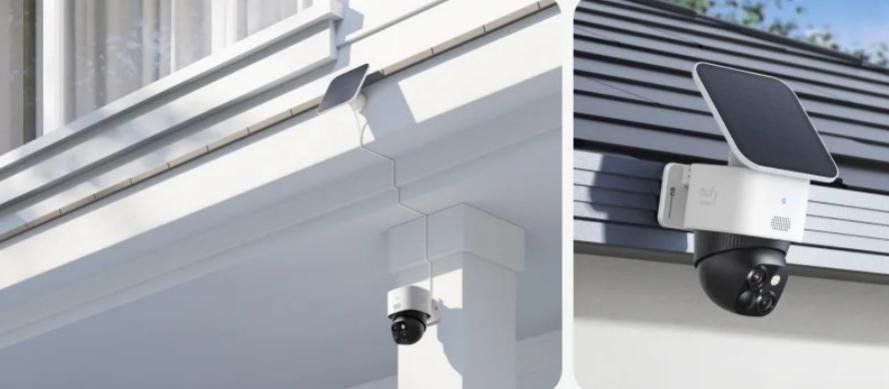
Appropriate coverage is crucial when designing a security camera system for your house in order to provide optimal safety. Effective placement of a camera system may monitor high-risk locations, discourage possible intruders, and offer trustworthy video in the event of an incident. Key locations for camera installations must be identified, and aspects like camera angles, height, and field of vision must be taken into account for effective coverage planning. You may design a security system that provides complete safety for your house and increases your peace of mind by knowing where to put cameras both inside and outside.
Key Areas to Focus on for Security Camera Placement
Outdoors: Front and Back Entrances
Outdoor security cameras should be focused on your home’s front and rear doors, which are the most popular access sites for robbers. Installing cameras at the front entrance, driveway, and any side doors gives you an excellent view of anyone approaching your property. It is also critical to monitor gates and backyards, where attackers may attempt to enter unobserved. Cameras at these gateways can catch critical data like faces, cars, and suspicious behavior, allowing you to keep your property safe. Place cameras at an ideal height to eliminate blind areas and capture good footage both day and night.
Indoors: High-Traffic and Vulnerable Zones
Indoor cameras should be installed in high-traffic and susceptible locations, including corridors, living rooms, and near entrances. These are the areas where invaders are most likely to travel or spend time. Monitoring entryways such as front doors, stairways, and hallways helps you to keep track of who enters and leaves your property. Furthermore, installing cameras near valuables, safes, or other high-risk areas might help secure your belongings. By concentrating on these important areas, you may guarantee that any questionable conduct is documented. Indoor cameras should also be placed in a way that does not intrude on privacy while still providing full coverage of key areas of the home.
Perimeter Coverage: Gates, Fences, and Walkways
Covering the perimeter of your house is critical for detecting possible dangers before they approach your property. Cameras should be installed at gates, fences, and pathways to record any activity in these areas. This sort of coverage serves as an early warning system, alerting you to guests or intruders before they reach your front door. Strategically placing cameras along fences and around the perimeter gives you a good view of anyone attempting to enter or exit the property. These cameras also dissuade burglars from approaching the property since they know they are being watched from all angles, which helps to improve your home’s security.
Camera Placement: Height, Angle, and Field of View
Optimal Camera Height and Viewing Angles
For the best coverage, it’s critical to place security cameras at the proper height and angle. For a clear view of the surroundings and to prevent manipulation, cameras should often be installed 8–10 feet above the ground. Reducing blind spots also requires careful consideration of the viewing angle; cameras should be positioned such that they catch the widest possible area without obstruction. Important details, such as license plates and facial characteristics, may be properly recorded with the right camera height and angle. This configuration optimizes coverage in susceptible regions and raises the overall efficacy of your security system.
Adjusting for Wide-Angle Coverage
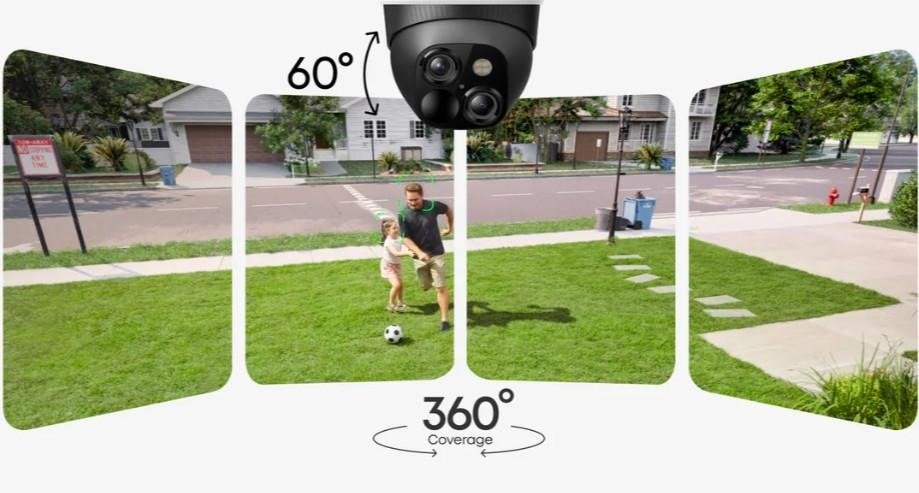
Wide-angle cameras can cover bigger areas with fewer units, making them excellent for monitoring vast outdoor expanses or open indoor locations. Adjusting the camera’s wide-angle view minimizes the number of cameras required to cover the same area, making your system more cost-effective. However, keep in mind that there may be trade-offs, such as lower visual quality around the field’s margins. Consider cameras with a 120°-180° field of view to balance wide coverage with high-definition footage, but make sure the camera is positioned in a way that reduces distortion and gets the most important elements in the image.
Preventing Obstructions and Avoiding Glare
Preventing obstacles and glare is crucial for ensuring that security cameras operate at their best. Trees, walls, and furniture are examples of obstructions that can reduce the camera’s range of vision and efficacy. Cameras should be placed where there is little chance of items interfering with their capacity to record crisp video. Furthermore, especially during the day, the camera’s vision may be obscured by glare from artificial lighting or sunlight. This issue can be resolved by employing cameras with integrated glare reduction technology or by installing cameras in shady places. Day or night, dependable film and a crisper picture are guaranteed by careful positioning and consideration of the lighting situation.
Conclusion
Placing security cameras, such as a cctv camera for home, strategically is essential to guaranteeing your house is fully covered. You may optimize your system’s efficacy by concentrating on important locations like entrances, high-traffic areas, and the perimeter, and by placing cameras at the proper height and angle. Proper planning and installation ensure that your security system provides optimal protection and peace of mind, keeping your home safe from potential threats. UtdPlug
