
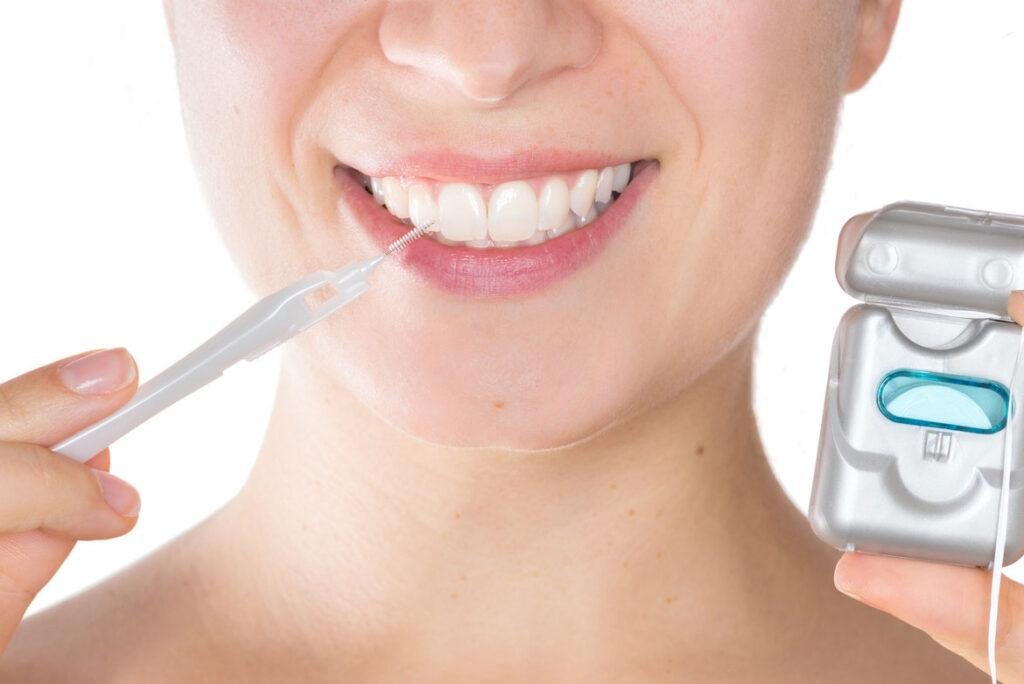
In the realm of dental care, ensuring optimal oral hygiene is paramount. One of the most effective tools that clinics and hygienists can employ are interdental brushes. These brushes are designed to clean the spaces between the teeth which conventional toothbrushes might miss. This article serves as a comprehensive buying guide for dental clinics and hygienists looking to incorporate interdental brushes into their oral care repertoire.
Understanding the Importance of Interdental Brushes
Interdental brushes are crucial for the prevention of periodontal diseases and the minimisation of plaque accumulation. As they efficiently reach the spaces between the teeth, they are essential for maintaining oral health. Dental clinics and hygienists advocate for their use as part of a daily oral hygiene routine.
Types of Interdental Brushes
The market offers a variety of interdental brushes, each designed to cater for different needs and preferences. Clinics and hygienists should be aware of the different types available, including conical, cylindrical, and angled brushes. These variations are suitable for different dental architectures and levels of dexterity.
Factors to Consider When Purchasing Interdental Brushes
When selecting interdental brushes for clinical settings, several factors should be considered to ensure both efficacy and comfort for patients. Consider the size and flexibility of bristles, the handle design, and whether the brushes are environmentally sustainable. Attention to these details can enhance patient compliance and satisfaction.
Evaluating the Quality of Interdental Brushes
Quality assurance is vital in dental equipment. High-quality interdental brushes should be durable, with bristles made from safe, non-toxic materials. They should also have a sturdy wire core to maintain shape and effectiveness during use. Clinics should prefer brands known for rigorous quality testing and certifications.
Environmental Considerations for Dental Clinics
As part of their purchasing decision, clinics can consider the environmental impact of dental supplies. Opt for interdental brushes that offer biodegradable handles or recyclable packaging. Such choices not only support environmental sustainability but also enhance the clinic’s reputation as an environmentally conscious practice.
Cost Considerations
While cost might not be the primary determinant in healthcare, it is a critical factor for budgeting in clinics. It is essential that clinics weigh the cost against the quality and performance of the interdental brushes they choose. Bulk purchasing from reputable suppliers might also reduce costs.
Patient Education on Use of Interdental Brushes
Proper usage is paramount to ensure efficacy, thus education plays a critical role. Hygienists should educate patients on the proper technique of using interdental brushes including gentle insertion and brushing motions. Providing demonstrations can significantly improve patient compliance and outcomes.
Supplier Selection for Interdental Brushes
Choosing the right supplier is critical in ensuring the quality and reliability of interdental brushes. Clinics and hygienists should look for suppliers that offer reliable delivery, competitive pricing, and a wide selection of products. It is also beneficial to select suppliers who offer excellent customer service and after-sale support.
User Feedback and Continuous Improvement
Feedback from users is invaluable for continuous improvement. Clinics should encourage patient feedback on the interdental brushes provided, enabling them to continually refine their offerings based on user experience. This can lead to enhanced patient satisfaction and better oral health outcomes.
Brand Recommendations
Several brands are renowned for manufacturing high-quality interdental brushes. Recommendations can be based on factors such as user reviews, clinical trials, and known efficacy. Consulting with peers and attending dental equipment exhibitions can be beneficial in keeping up-to-date with the best products available.
Training for Hygienists and Dental Professionals
Ongoing training is vital for hygienists to stay abreast of the latest developments in dental equipment, including interdental brushes. Clinics should invest in regular training sessions to ensure staff are well-informed about the new products and their applications.
Potential Challenges in Using Interdental Brushes
Despite their benefits, some challenges might arise with the use of interdental brushes. Issues such as patient difficulty in selecting the right size, discomfort during use, or damage to the gums due to incorrect application can occur. Addressing these through patient education and support is essential.
Incorporating Interdental Brushes into Routine Care
For the consistent promotion of oral hygiene, dental professionals can incorporate interdental brushes into patients’ routine care regimes. Recommending specific brushes and demonstrating their use can encourage patients to maintain regular use.
Future Trends in Interdental Brush Development
The future of interdental brush development may include technological advancements such as smart brushes that provide feedback on usage patterns, further improving patient outcomes. Keeping informed about future trends aids clinics in staying ahead in dental care innovations.
Conclusion
In conclusion, interdental brushes are a pivotal component of dental health care, vital for both patients and professionals. By considering factors such as quality, environmental impact, and patient education, clinics can ensure they are selecting the best options for their practice and promoting optimal oral hygiene practices. UtdPlug
