
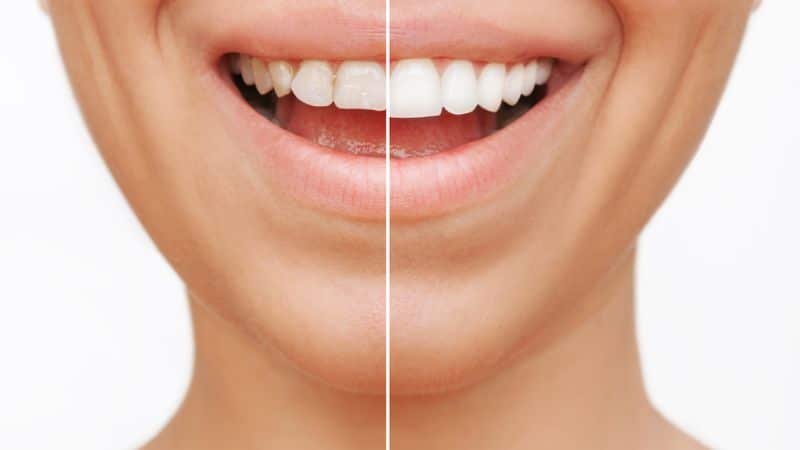
A straight, healthy smile can make a big difference to your confidence, comfort, and overall oral health. Many people think orthodontic treatment is only about appearance, but it also improves how your bite works and supports long-term dental wellbeing. Modern orthodontics uses safe, predictable techniques to move teeth gently into better positions. Whether you are considering fixed braces, clear aligners, or a specialist treatment plan, it helps to understand how the process works and why it is considered one of the safest ways to improve your smile. This guide explores how orthodontics straighten teeth safely, what to expect from treatment, and how to protect your smile during and after the process.
Why Straightening Your Teeth Is Good for Your Oral Health
Straightening your teeth is not just a cosmetic choice. Misaligned teeth can be harder to clean, making gum disease and decay more likely. A poor bite can lead to jaw pain, headaches, and uneven wear on your teeth. When your teeth are straight and aligned properly, brushing and flossing become easier, which keeps your mouth cleaner and healthier. A proper bite also reduces pressure on individual teeth, helping them stay strong for years to come.
Orthodontic treatment supports long-term dental health, which is why St Clears Dental Studio recommend it.
How Orthodontics Straighten Teeth Safely
Orthodontics uses gentle, controlled pressure to move your teeth. This pressure is applied through braces or aligners, which guide the teeth into their new positions. The movement is slow and steady, ensuring the supporting bone and gums adapt safely over time. This process protects the teeth, prevents unnecessary stress, and keeps your bite stable.
Braces work by using brackets and wires to apply this pressure. Aligners work in a similar way but use a series of clear, removable trays. Each tray changes the position of your teeth slightly. Over time, these small adjustments create a well-aligned smile.
All orthodontic treatment plans are customised. Every patient’s mouth is different, and your dentist examines your teeth, gums, and jaw before recommending the right option. These checks are important for safe treatment, ensuring your gums and bone are healthy enough to support movement.
The First Steps: Consultation and Planning
Your orthodontic journey begins with a consultation. This appointment includes a full examination, photographs, X-rays, and sometimes digital scans. These tools help your dentist understand how your teeth sit, how your jaw moves, and what changes are needed.
A personalised plan is then created. Your dentist will discuss the type of braces or aligners that suit your lifestyle, the expected treatment time, and any steps needed before treatment. If you have gum disease or damaged teeth, these will need to be treated first. This ensures your mouth is healthy enough for safe orthodontic movement.
Planning is one of the most important stages because it allows your dentist to create a predictable, safe treatment plan. Digital planning tools can even show how your teeth are expected to move over time.
Different Types of Orthodontic Treatments
There are several options available, each designed to suit different needs and age groups.
Fixed Braces
These use wires and brackets to move your teeth. They are reliable, effective, and ideal for more complex cases. Modern fixed braces are smaller and more comfortable than older designs.
Clear Aligners
Clear aligners, such as Invisalign, use removable trays. They are almost invisible and ideal for adults and teens who want a discreet option. Aligners work best for mild to moderate alignment issues but can also tackle more complex cases with the right plan.
Ceramic Braces
Ceramic braces are similar to metal braces but use tooth-coloured brackets for a less noticeable appearance. They blend with your natural teeth and offer strong, reliable movement.
Lingual Braces
These braces are placed behind your teeth, making them completely hidden. They work like fixed braces but require specialist fitting.
Your dentist will help you choose the safest and most effective option based on your goals and oral health.
How Teeth Move During Orthodontic Treatment
When gentle pressure is placed on a tooth, the bone around it changes shape to allow safe movement. This process is natural and controlled. As the tooth shifts, new bone forms behind it to hold it in place.
This is why orthodontic treatment takes time. Moving teeth quickly is unsafe and can damage the roots or supporting bone. Slow, steady movement keeps your teeth healthy throughout the process. It also ensures your gums adapt to the new positions, reducing the risk of relapse later.
Keeping Your Smile Safe During Treatment
Safe orthodontic care relies on good daily habits. Brushing twice a day and cleaning around brackets or aligners helps prevent plaque build-up. For fixed braces, special cleaning tools such as interdental brushes can be useful.
Aligner wearers should clean their trays daily and avoid eating while the trays are in. This prevents staining and keeps the aligners hygienic.
Your dentist will arrange regular check-ups to monitor your progress. These visits ensure the movement stays safe and controlled. If adjustments are needed, your dentist will make them gently and gradually.
Managing Comfort
It is normal to feel mild pressure or discomfort during the first few days of treatment or after adjustments. This is a sign that your teeth are moving. The discomfort is temporary and usually eases within a few days. Over-the-counter pain relief can help, but most patients find they adjust quickly.
Orthodontic wax can be used to soften any areas where braces rub. Aligners usually cause less irritation, but they may feel tight at first. This is normal and shows the aligners are working.
The Retainer Stage: Keeping Your Teeth Straight
Once your braces or aligners come off, your treatment is not quite finished. Teeth naturally try to move back to their old positions, so retainers are essential. A retainer keeps your teeth in place while the bone and gums settle.
Retainers are usually worn full-time at first, then only at night. Your dentist will explain how long this stage will last. Wearing your retainer as instructed is a key part of keeping your new smile straight and stable.
How Orthodontics Improve Confidence and Wellbeing
Beyond health benefits, orthodontic treatment can boost your confidence. Many people feel happier smiling, talking, and socialising once their teeth are straighter. This improvement can influence both personal and professional life. A straight smile often encourages better daily care too, as people feel more motivated to maintain their results.
Safe, Predictable, and Life-Changing
Orthodontics is one of the safest and most effective ways to improve your smile. With careful planning, gentle movement, and regular check-ups, treatment can transform both your appearance and oral health. Modern techniques make the process comfortable, discreet, and suitable for people of all ages.
Straightening your teeth is an investment in long-term health as well as confidence. With the right support from your dentist, the process is safe, predictable, and designed around your needs. By choosing orthodontic treatment, you are choosing a healthier smile, improved function, and a confidence boost that lasts for years.
