
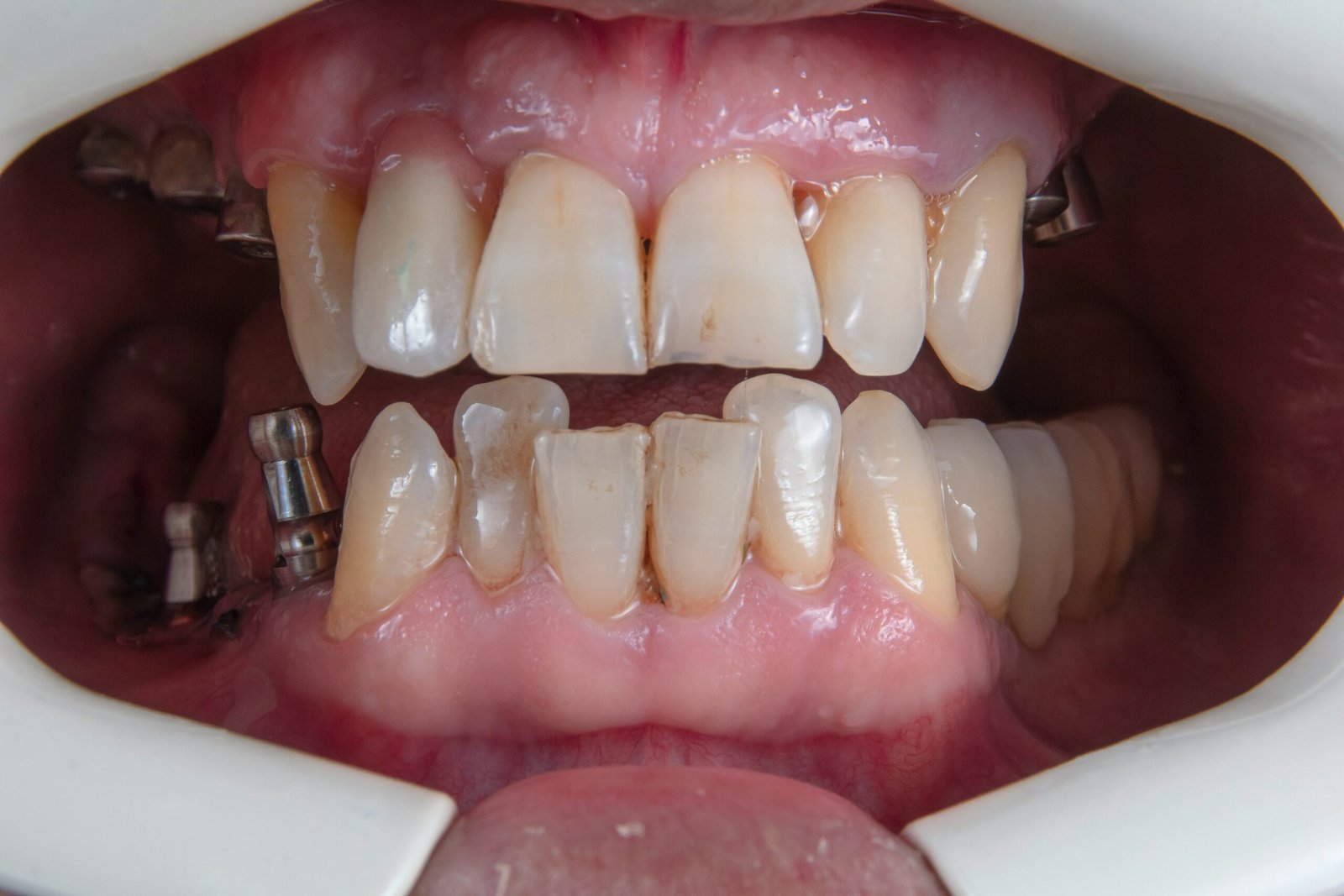
Dental implants can sound complicated, expensive, or even intimidating at first. For many people, the idea of having a metal post placed into the jaw brings up worries about pain, healing time, and whether it will actually look natural. The reality is far more straightforward. Modern dental implants are designed to be comfortable, reliable, and long lasting, with results that closely match natural teeth. This guide breaks the process down in simple terms, so you know exactly what to expect.
What Are Dental Implants?
Dental implants are a fixed solution for replacing missing teeth. They are made up of three parts: a small titanium post that sits in the jawbone, a connector called an abutment, and a custom-made crown that looks and functions like a real tooth.
The implant acts as a replacement root. Over time, it bonds with the bone, creating a strong and stable base. This makes implants very different from dentures or bridges, which sit on the gums or rely on neighbouring teeth for support.
If you want to understand how tooth loss affects oral health more broadly, the NHS provides a clear overview of missing teeth and treatment options on their official website.
Why Dental Implants Are So Popular
Dental implants have become one of the most trusted treatments at Peak Dental and for good reason. They look natural, feel secure, and allow you to eat, speak, and smile with confidence.
One of the biggest advantages is stability. Unlike removable dentures, implants do not slip or move. This makes everyday activities like eating and talking feel normal again.
Another key benefit is bone preservation. When a tooth is lost, the jawbone beneath it can begin to shrink. Implants stimulate the bone in the same way as natural roots, helping to maintain facial shape and prevent further tooth loss.
Is the Procedure Painful?
A common concern is pain, but most patients are surprised by how comfortable the process actually is. The implant is placed under local anaesthetic, so you should not feel pain during the procedure itself.
After treatment, some mild swelling or soreness is normal, similar to having a tooth removed. This usually settles within a few days and can be managed with over-the-counter pain relief.
Many patients report that dental implant surgery is less uncomfortable than they expected, especially when compared to ongoing issues caused by loose dentures or missing teeth.
The Dental Implant Process Explained
The dental implant journey is usually spread over several stages to allow for proper healing.
First, your dentist will assess your oral health using scans and x-rays. This helps to check bone levels and plan the exact placement of the implant.
Next comes the implant placement. The titanium post is carefully positioned in the jawbone. The gum is then closed over the implant to allow healing.
Over the following weeks or months, the implant fuses with the bone in a process called osseointegration. This is what gives implants their strength and durability.
Once healing is complete, the final crown is fitted. This crown is matched to the colour and shape of your natural teeth, so it blends in seamlessly.
Healing Time and What to Expect
Healing times can vary depending on the individual, but most people return to normal activities within a day or two of implant placement.
The deeper healing, where the implant bonds fully with the bone, usually takes a few months. During this time, your dentist may provide a temporary tooth so you are not left with a visible gap.
Following aftercare advice is important. This includes keeping the area clean, avoiding smoking, and attending follow-up appointments to check healing progress.
Good oral hygiene plays a big role in long-term success. Brushing, flossing, and regular dental check-ups help keep both the implant and surrounding gums healthy.
Are Dental Implants Right for Everyone?
Dental implants are suitable for many adults, but not everyone is an immediate candidate. Healthy gums and sufficient jawbone are important factors.
If bone levels are low, treatments such as bone grafting may be recommended to improve implant success. Medical conditions like uncontrolled diabetes or heavy smoking can also affect healing, but this does not always rule implants out.
A thorough consultation allows your dentist to assess risks and discuss the best options for your situation. Guidance from professional bodies such as the British Dental Association offers helpful insight into implant suitability and standards of care.
How Natural Do Dental Implants Look?
One of the biggest reasons people choose dental implants is how natural they look and feel. The final crown is custom-made, meaning it matches your existing teeth in colour, shape, and size.
Because implants are fixed into the bone, they feel very similar to natural teeth when chewing. Many patients forget which tooth is the implant after a short period of time.
This natural appearance can have a big impact on confidence, especially for people who have felt self-conscious about gaps or loose dentures.
Long-Term Results and Care
Dental implants are designed to last for many years. With proper care, they can last decades.
The implant itself is very durable. The crown may need replacing after many years due to normal wear, but this is usually straightforward.
Regular dental visits are important to check the health of the gums around the implant. Conditions like peri-implantitis, which is similar to gum disease, can occur if oral hygiene is poor, but it is largely preventable with good care.
Dental Implants as an Investment in Your Health
While dental implants can cost more upfront than other tooth replacement options, they often provide better long-term value. They do not need adhesives, do not rely on nearby teeth, and rarely need replacing.
Beyond appearance, implants support overall oral health by maintaining bone structure and bite balance. This can help prevent future dental problems and improve quality of life.
Final Thoughts
Dental implants do not need to feel overwhelming. When explained simply, they are a safe, effective, and proven way to replace missing teeth. From comfort during treatment to natural-looking results and long-term benefits, implants offer a reliable solution for many patients.
If you are considering dental implants, speaking with an experienced dental professional is the best next step. A personalised assessment will help you understand your options and decide whether implants are right for you.
