
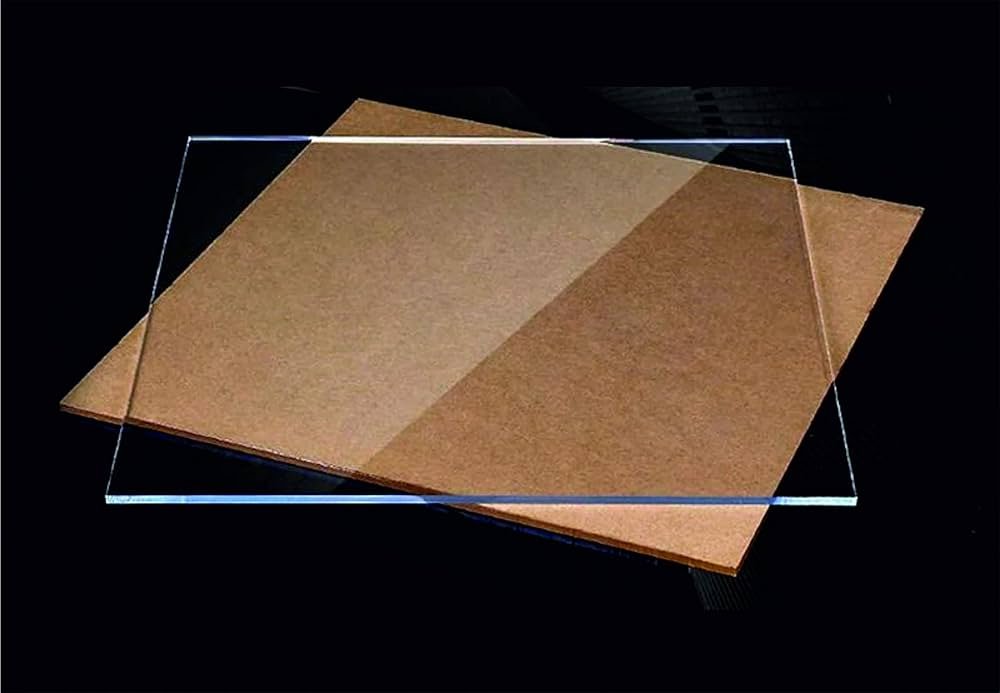
Choosing between clear cast acrylic and glass isn’t easy because both materials offer clarity and a polished look. Plus, we all have preconceived notions about materials we use often, like glass, and hesitations for new materials, like acrylic.
In the end, we all want a material that suits the project, lasts well, and provides the finish we expect. The best option will become clearer when we compare safety, strength, clarity, and handling in real-life situations. Read further to understand how each material performs so you can make the right choice with confidence.
Strength and Safety
You’ll notice clear cast acrylic provides strong impact resistance, so it suits busy spaces where knocks are likely. Many people choose Perspex clear cast acrylic sheets for projects that need reliable strength, because acrylic can withstand pressure that would usually crack standard glass.
Glass offers a hard and scratch-resistant surface, and it performs well in calmer areas with low impact risk. Acrylic provides far better shatter resistance, so you can trust it in settings where broken glass would be unsafe, especially around display cases that require long-lasting protection.
Weight and Handling
Clear cast acrylic weighs far less than glass and this makes installation easier, especially when working with large protective panels or fitted covers. You can lift and handle sheets with less strain. This helps especially when you’re working alone.
The lighter weight also reduces pressure on frames and fixings, and this supports cleaner designs that don’t need heavy structural reinforcement. Glass remains a strong choice, but the weight often increases installation time and support requirements.
Clarity and Appearance
Both materials look clean and bright, but clear cast acrylic offers outstanding clarity. It transmits up to 92% of visible light, which is higher than standard glass. This will give you a bright and open finish.
Acrylic edges can be polished for a crisp look, and work well in museum-quality display cases where clear viewing is essential. On the other hand, glass still provides a classic shine and a naturally hard surface, so many people still value its familiar style.
Acrylic brings stronger clarity and a lighter feel, while glass offers a traditional surface with a solid appearance.
Durability and Long-Term Value
Acrylic performs well outdoors because it resists UV exposure and is less likely to yellow over time, which helps maintain clear viewing. It provides strong impact resistance, so you gain extra security in areas where damage could happen.
Glass holds its surface well and stays resistant to scratches, although it can still break under force without warning. Acrylic may need gentle cleaning, because strong chemicals can mark the surface, but you gain safer handling and less breakage risk with everyday usage.
Weighing Them Up
Clear cast acrylic often suits projects that need bright clarity, low weight, and strong resistance to impact. It works especially well for display cases, retail displays, and protective covers where clear viewing and safe handling matter.
Glass still provides a durable and classic finish, especially when scratch resistance is the priority. The best results come from choosing the material that supports the way the space is used. And now that you understand how these two materials differ, you can pick the option that meets your needs.
