
The aspiration for a perfectly straight smile is no longer restricted to teenagers wearing metal wires. In the modern era of cosmetic dentistry, adults across the UK are actively seeking orthodontic solutions that integrate seamlessly with their professional and social lives. The major deterrent for many has always been the visual impact of traditional fixed braces. Fortunately, advancements in dental technology have introduced a powerful, virtually invisible alternative: clear aligners.
These custom-made, transparent thermoplastic trays have revolutionised the way orthodontic treatment is delivered, making the journey towards a confident smile significantly more discreet. But are clear aligners truly the best choice for subtle teeth straightening in the UK, especially when compared to other less visible options? To answer this, we must delve into how they work, examine their unique benefits for the adult patient, discuss their limitations, and look at the practicalities of undergoing treatment at a dentist like ARC Dental Surgery.
The Mechanism of Discreet Orthodontics: How Clear Aligners Deliver Results
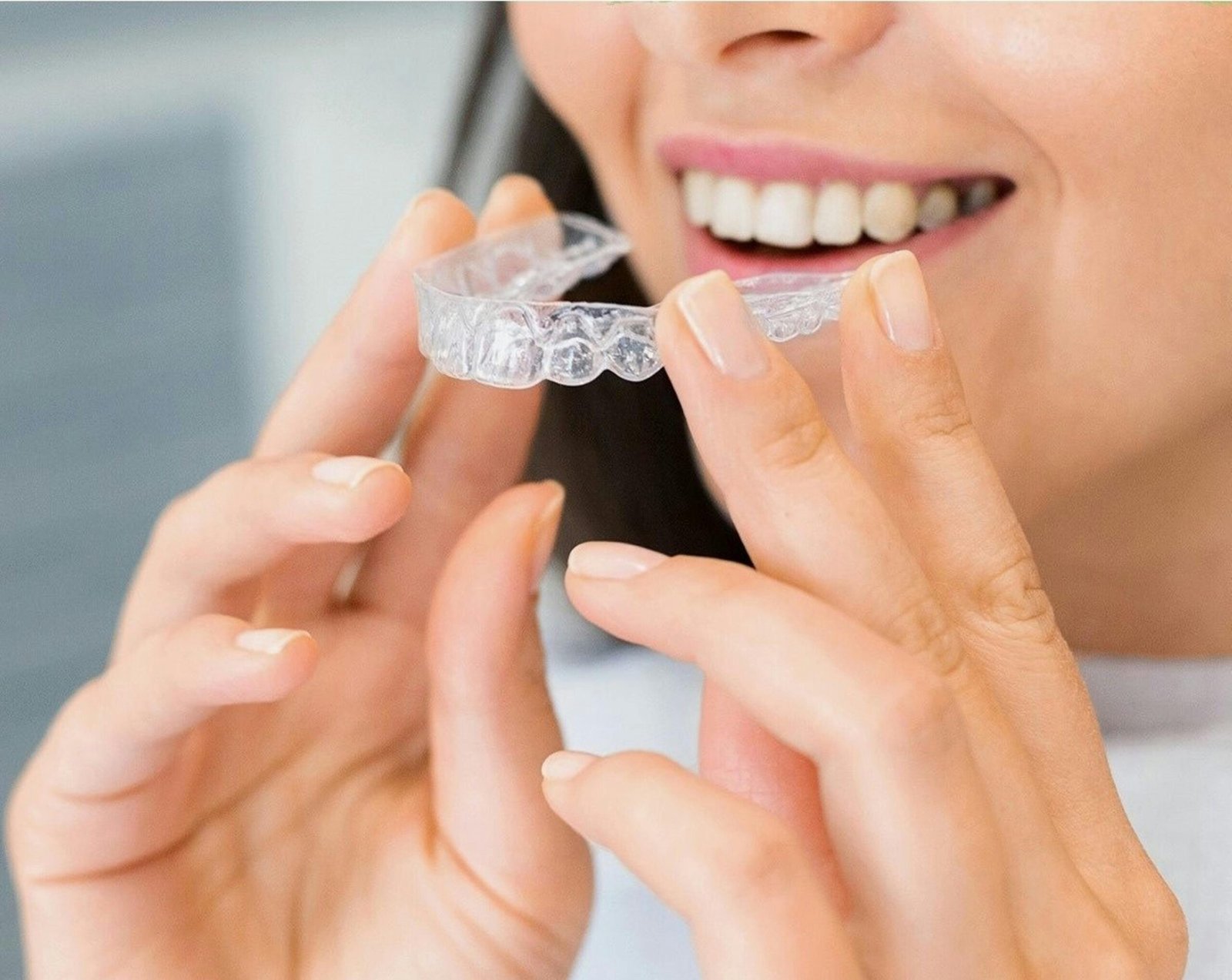
Clear aligners, often referenced by brand names like Invisalign or Spark, represent a massive technological leap from the traditional bracket-and-wire system. Instead of permanently bonded metal, these treatments use a series of sequentially worn, removable trays to gently guide the teeth into their desired positions.
The process begins with an in-depth consultation with a certified UK provider. This typically involves a detailed examination, X-rays, and, crucially, a high-tech 3D digital scan of the patient’s mouth. This non-invasive scanning process creates an extremely accurate model of the current dental structure. Using specialised computer software, the dentist or orthodontist then maps out the precise movement of every tooth, from the current position to the final, straightened smile.
This digital blueprint, often called a ClinCheck or similar proprietary system, allows the patient to view a simulated time-lapse of their expected results before treatment even begins. This commitment to visualisation is a key element of the process, giving patients confidence and clarity about the journey ahead.
Once the plan is approved, a set of custom aligners is manufactured. Each aligner in the series is designed to apply targeted pressure to specific teeth, facilitating minor movements. The patient typically wears each set for one to two weeks—adhering strictly to the recommended 20 to 22 hours per day—before progressing to the next tray. The magic of the aligner lies in its progressive design: while the change from one tray to the next is almost imperceptible, the cumulative effect over the full treatment course is transformative.
The Undeniable Advantage: Discretion for the UK Adult
The primary reason clear aligners dominate the discreet orthodontics market is their near-invisibility. For UK adults, particularly professionals, students, or those with active social lives, the thought of spending months or years with highly visible metal braces is often enough to abandon the idea of straightening their teeth entirely.
The thin, medical-grade plastic used in aligner fabrication is transparent and hugs the contours of the teeth so closely that, from a typical speaking or social distance, they are extremely difficult to spot. This level of discretion offers profound psychological benefits. Patients report feeling far less self-conscious during the treatment period than those wearing traditional braces, allowing them to participate in meetings, give presentations, or simply socialise without feeling obligated to explain their orthodontic journey.
Furthermore, unlike fixed braces which can sometimes temporarily alter the wearer’s speech (known as a lisp) as the tongue adjusts to the brackets, clear aligners generally have a minimal impact on articulation once the mouth becomes accustomed to the trays. This quick adaptation period ensures that the patient’s confidence in their speech and communication remains high throughout the entire process.
Practical Benefits for the Modern British Lifestyle
Beyond the aesthetic advantage, clear aligners offer practical benefits that fixed appliances simply cannot match, making them particularly well-suited for the dynamic, time-conscious lifestyle prevalent across the UK.
1. Unrestricted Diet
One of the most immediate and significant practical benefits is the ability to remove the aligners for eating and drinking. Traditional braces impose severe dietary restrictions; crunchy foods, sticky sweets, popcorn, and tough bread crusts are often off-limits as they risk breaking a bracket or wire. For aligner wearers, there are no food restrictions whatsoever. Whether enjoying a traditional Sunday roast, a sticky bun from a local bakery, or a hearty meal at a London restaurant, patients simply remove the aligners, eat freely, and brush their teeth before putting them back in.
2. Superior Oral Hygiene
Oral hygiene with fixed braces is notoriously challenging, requiring special brushes and diligent effort to clean around every bracket and under every wire. This difficulty can sometimes lead to plaque build-up and decalcification marks (white spots) on the teeth when the braces are finally removed.
Clear aligners eliminate this problem entirely. Because the trays are removable, patients can brush and floss their teeth normally, maintaining a high standard of oral health throughout the treatment period. This ability to properly clean the teeth minimises the risk of decay and ensures the underlying teeth are healthy and stain-free once the straightening is complete.
3. Fewer Emergency Appointments
Fixed braces are susceptible to breakages—snapping wires, loose bands, and detached brackets often necessitate emergency visits to the clinic for repair. For people commuting or travelling extensively across the UK, finding time for an urgent dental visit can be difficult and stressful. Since clear aligners are made of solid, resilient plastic, there are no wires to snap and no brackets to fall off. While an aligner can occasionally be misplaced or damaged, the risks of urgent, unplanned maintenance are substantially lower, providing a more predictable treatment schedule.
Are Clear Aligners Suitable for All Orthodontic Cases?
While clear aligners are highly versatile, it is essential to manage expectations regarding their universal applicability. They excel at correcting common issues that concern adults, such as mild to moderate crowding, spacing (gaps between teeth), and some overbite or underbite issues.
However, for extremely complex cases—such as severe bite discrepancies, major rotational movements, or skeletal issues—a UK orthodontist may still recommend traditional fixed braces or a combination approach. This is because complex movements sometimes require the fixed, continuous anchorage that brackets and wires provide.
This is why a thorough, in-person consultation with a qualified clinician is non-negotiable. The specialist will use the initial 3D scans and clinical judgement to determine if clear aligners can achieve the desired final result. If the aligners are not suitable, the clinician can recommend other discreet options like fixed braces with tooth-coloured ceramic brackets or lingual braces (fixed behind the teeth).
The good news is that aligner technology is rapidly advancing. With new features like ‘precision wings’ and better attachment designs, the range of cases that can be successfully treated with aligners is continually expanding, making them a suitable option for an ever-growing proportion of the UK population.
Navigating the Clear Aligner Journey in the UK
Embarking on the journey to a straighter smile in the UK typically follows a structured, easy-to-manage path:
- Initial Consultation and Digital Planning: As noted, this first step involves assessing suitability, discussing goals, and creating the digital treatment plan. This stage ensures the final outcome is predictable and meets the patient’s expectations.
- Aligner Collection: Once the custom trays arrive, the patient will receive their first few sets along with guidance on wear time, cleaning, and tracking their progress. Small, tooth-coloured attachments are often bonded to the teeth at this stage; these provide the necessary grip for the aligners to execute complex movements, and while small, they remain far less noticeable than metal brackets.
- Progress Checks: Patients typically attend periodic appointments every six to eight weeks. These check-ups are quicker than traditional brace adjustments as they primarily involve monitoring the treatment’s progression and collecting the next batch of aligners.
- The Retention Phase: A Critical Conclusion: Once the active movement is complete, the treatment is not over. To prevent the teeth from gradually drifting back to their original positions (a phenomenon known as relapse), retention is vital. This usually involves wearing fixed retainers (a thin wire bonded to the back of the front teeth) and/or removable clear retainers (similar to the aligners, but worn only at night). A failure to adhere to the retention guidelines is the single biggest cause of disappointment after any orthodontic treatment, clear aligners included.
Conclusion: The Discreet Champion of Modern Orthodontics
For the majority of adults seeking to improve their smile without disrupting their lifestyle, clear aligners represent the single most effective and popular discreet solution available in the UK today.
While alternative methods like lingual braces offer full invisibility (being fixed behind the teeth), they can be significantly more challenging to clean, may be uncomfortable for the tongue, and often incur a higher cost. Fixed ceramic braces are highly aesthetic but are still non-removable, retaining the dietary and hygiene restrictions of traditional orthodontics.
Clear aligners strike the perfect balance: they offer near-invisibility combined with the convenience of removability and a streamlined treatment process. They successfully blend advanced digital planning with patient comfort, providing a clean, hygienic, and highly effective path to a straighter, more confident smile. For anyone in the UK considering orthodontic treatment, consulting a local specialist about clear aligners is undoubtedly the best first step towards achieving their desired discreet transformation.
