
The continuous advancement in metal manufactures is a cornerstone of industrial progress. In today’s fast-paced technological landscape, companies are compelled to innovate and maintain high standards of quality and precision in their manufacturing processes. This ensures not only their competitiveness but also their ability to meet growing consumer demands.
Innovations in Metal Manufacturing
Innovation in metal manufacturing is driven by the need to create more efficient, durable, and cost-effective products. The introduction of automation and AI in manufacturing processes has significantly transformed the industry, enhancing productivity and reducing operational costs. Automation allows manufacturers to take advantage of precise and repeatable processes, thereby increasing output consistency. AI, on the other hand, contributes to predictive maintenance and process optimisations.
Moreover, advancements in materials science have led to the development of new alloys and composites, which deliver superior properties such as greater strength-to-weight ratios, improved corrosion resistance, and increased thermal stability. These materials not only enhance the performance of finished products but also open up new applications and markets.
The Role of 3D Printing
3D printing, or additive manufacturing, is one of the most notable innovations in recent years. It allows for the production of complex geometries that would be impossible or cost-prohibitive to achieve using traditional methods. This technology supports prototyping, which accelerates the development of new products and enables design iterations at a much faster rate.
By using 3D printing, manufacturers can reduce waste and save on material costs, as it builds objects layer by layer, using only the necessary amount of material. This not only contributes to sustainability but also aligns with the global trend towards greener manufacturing practices.
Maintaining Quality in Metal Production
Ensuring quality in metal manufacturing is crucial. It involves intricate processes such as precise machining, rigorous testing, and quality assurance protocols to ensure that the final products meet stringent industry standards and specifications. Additionally, many companies have adopted comprehensive quality management systems to oversee all aspects of production, from raw material sourcing to final product inspection.
Such systems are essential in maintaining consistent quality and minimising defects, which can lead to significant cost savings in the long run. Each step of the process can be tracked and controlled, allowing manufacturers to identify areas that require improvement and implement corrective actions swiftly.
Precision in Machining and Fabrication
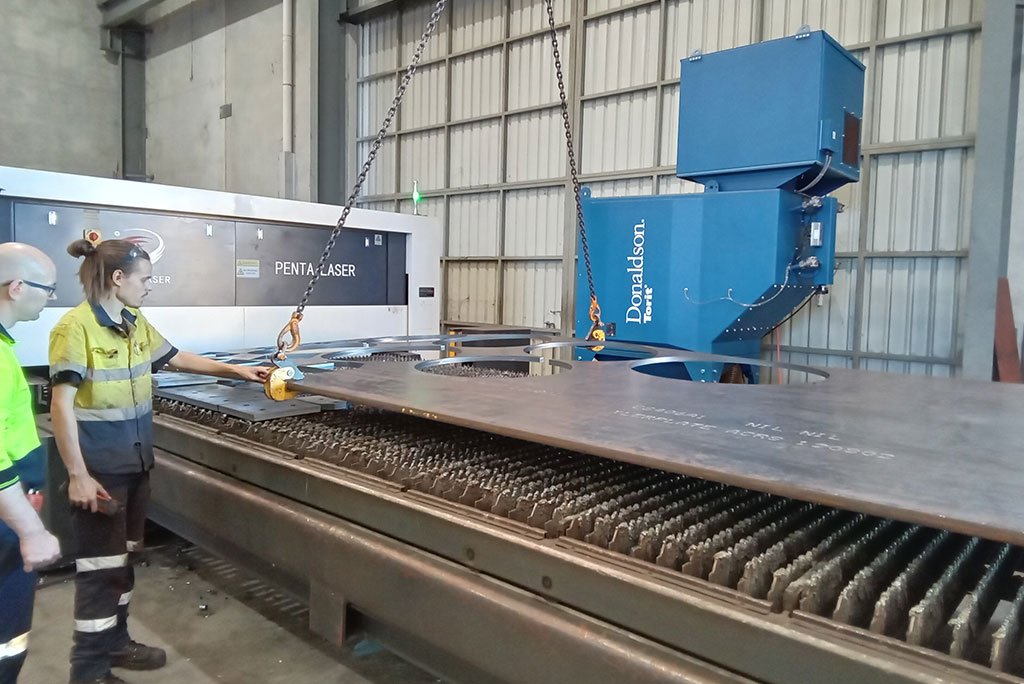
Precision in metal manufacturing is more than just a technical requirement; it is a critical aspect that determines the performance and reliability of the end product. High precision machining and fabrication involve the use of cutting-edge technology, such as CNC machines and laser cutting tools, which allow for intricate and precise shapes and configurations.
These technologies enable the production of components with tight tolerances and excellent surface finishes, meeting the complex requirements of industries such as aerospace, automotive, and electronics. Precision not only enhances product performance but also extends the lifecycle of metallic components.
The Impact of Skilled Workforce
A skilled workforce is indispensable in advancing metal manufacturing. As technology evolves, the demand for highly trained technicians and engineers grows. These professionals are essential for operating sophisticated machinery, overseeing production processes, and implementing improvements that increase efficiency and product quality.
Continuous training and development opportunities ensure that the workforce remains updated with the latest industry trends and technological advancements, ultimately driving innovation and quality improvements.
Future Directions in Metal Manufacturing
Looking to the future, metal manufacturing is set to see further innovations aimed at enhancing efficiency and sustainability. The integration of IoT (Internet of Things) devices in manufacturing settings is expected to further optimise processes by providing real-time data on machine performance and production metrics.
Moreover, the push towards sustainable practices will drive further research into eco-friendly materials and manufacturing methods. As industries seek to reduce their environmental footprint, the development of recyclable metals and green manufacturing processes will be crucial.
In conclusion, the advancement of metal manufacturing through innovation, quality, and precision is key to supporting a modern industrial economy. Companies like Kanyana Engineering continue to be at the forefront of these developments, setting benchmarks in the industry for others to follow.
