
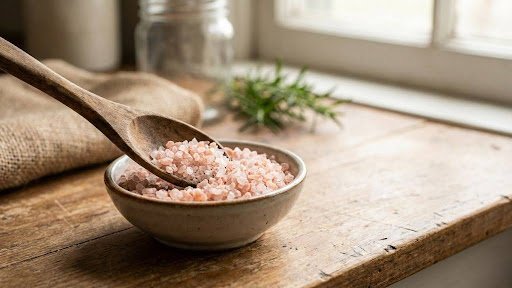
Pink salt has become popular in kitchens around the world. Many people choose it for its color, flavor, and the minerals it contains. It is often called Himalayan salt and is valued for its slightly different taste compared to regular table salt.
However, even though pink salt is natural and flavorful, many people make mistakes when using it in cooking. These mistakes can affect the taste of food, the texture of dishes, and even the cooking process itself. Understanding these common errors can help home cooks and chefs get the most out of pink salt in their meals.
1. Using the Wrong Type of Pink Salt
Pink salt comes in different forms: fine, coarse, and blocks for grinding. Choosing the wrong type can change how it dissolves and how it seasons food.
For example, using coarse pink salt directly in a dish that requires even seasoning can leave some bites too salty and others too bland. It is best to grind coarse salt or use a pinch of fine salt for recipes that need precise seasoning.
Working with a trusted Coarse Salt Manufacturer ensures you get high-quality salt suitable for cooking and consistent flavor in every dish.
2. Adding Pink Salt Too Early or Too Late
Timing matters when adding salt to food. Adding pink salt too early during cooking can sometimes lead to a more concentrated flavor as water evaporates. On the other hand, adding it too late may not give it time to blend properly.
A good rule of thumb is to taste as you cook. Layer the seasoning gradually, and adjust toward the end to get the perfect balance. Using pink salt properly can elevate a simple dish, while mistakes in timing can make it taste uneven or flat.
3. Using Too Much or Too Little
A common mistake is guessing the amount of pink salt instead of measuring. Because pink salt crystals are often larger than table salt, the same volume may contain less sodium.
Adding too much can overpower the dish, while too little may leave the flavors muted. Paying attention to measurements and tasting along the way helps ensure the right balance. Understanding how different grain sizes affect saltiness is key to using pink salt effectively.
4. Ignoring the Mineral Flavor
Pink salt contains trace minerals like potassium, magnesium, and calcium. These minerals contribute to a slightly different flavor profile than regular salt.
Some cooks ignore these subtle notes and use pink salt exactly like table salt. This can sometimes mask its natural taste. Appreciating the mineral flavor and adjusting recipes slightly can make dishes more unique and flavorful.
Many suppliers, including himalayan salt exporters, provide information about mineral content, which can help cooks understand the best ways to use their salt.
5. Not Storing Pink Salt Properly
Salt may seem like it never goes bad, but improper storage can reduce its quality. Pink salt can absorb moisture and odors from the environment, which can affect taste.
It is best to store pink salt in airtight containers, away from heat, humidity, or strong-smelling foods. Keeping it dry ensures that every pinch has the same flavor and texture, making cooking more consistent.
Tips for Using Pink Salt Effectively
- Use the right grain size for your recipe.
- Season gradually and taste often.
- Respect the mineral flavor, don’t overpower it.
- Store in a dry, airtight container.
- Source quality pink salt from reputable suppliers.
By following these simple practices, pink salt can enhance your cooking and make dishes more flavorful without mistakes.
Final Thoughts
Pink salt is more than just a colorful alternative to regular table salt. It adds flavor, minerals, and a unique touch to cooking. However, small mistakes like using the wrong type, adding too much, or ignoring its natural flavors can affect your dishes.
Being mindful of these common mistakes allows cooks to get the most from pink salt and enjoy better-tasting meals. When used correctly, it is a versatile, flavorful, and natural seasoning that elevates everyday cooking. UtdPlug
